

 Solution
  Technology
  Application





According to the Ministry of Health’s standards, water is considered manganese-contaminated when its manganese concentration exceeds 0.1 mg/L. This article by ATS Water Technology will help you better understand the signs and harmful effects of manganese in water, and most importantly, effective methods for treating manganese contamination. Stay tuned!
1. Causes of manganese contamination in water
The sources of manganese in water, especially groundwater, is not random but has clear causes, including:
- Geological composition and soil structure: Manganese is a common element in the Earth’s crust, often found in iron-rich rocks and soil. As groundwater moves through manganese-rich geological formations, it can dissolve and carry manganese ions due to chemical interactions between water and minerals.
- Pollution from industrial and agricultural activities: Mining, metallurgy, and the use of manganese-containing fertilizers in agriculture can directly or indirectly introduce manganese into water sources. Once dissolved, manganese spreads through water, increasing its concentration.
2. Signs of manganese in water
Below are some common indicators of manganese contamination in water:
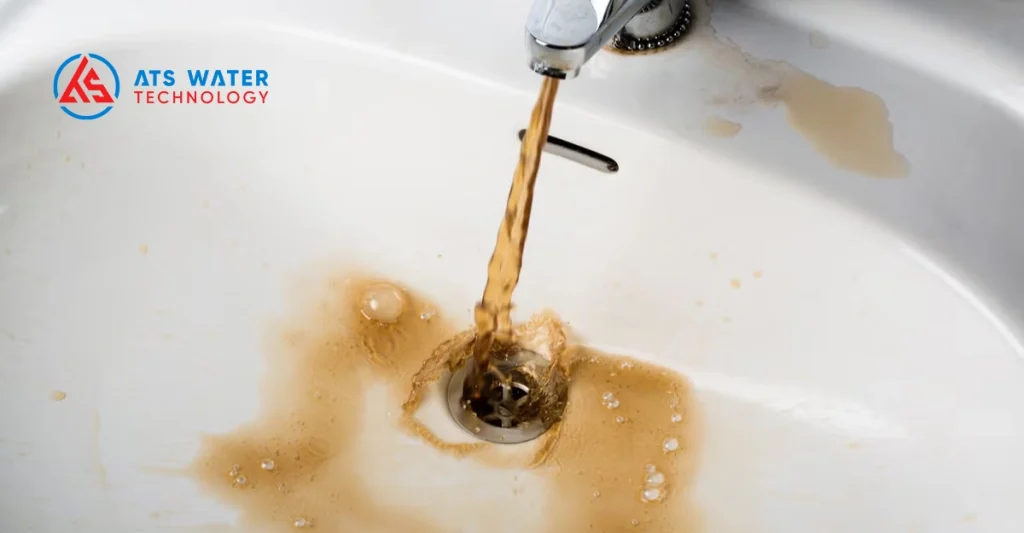
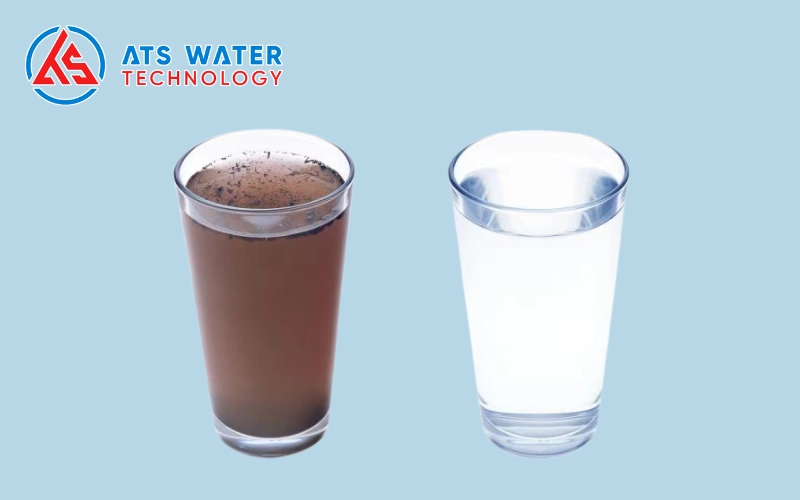
- Cloudy appearance: Dissolved manganese forms colored complexes, making the water appear cloudy. This cloudiness is not caused by sediment or algae but has a distinctive light brown to gray hue.
- Metallic odor: Unlike the fishy smell, this odor resembles metal, similar to the scent of “blood” or “rust.” It is a clear sign of heavy metal contamination, including manganese.
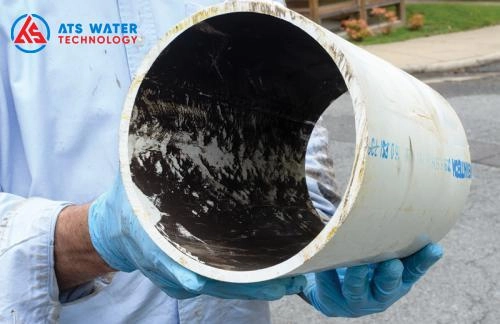
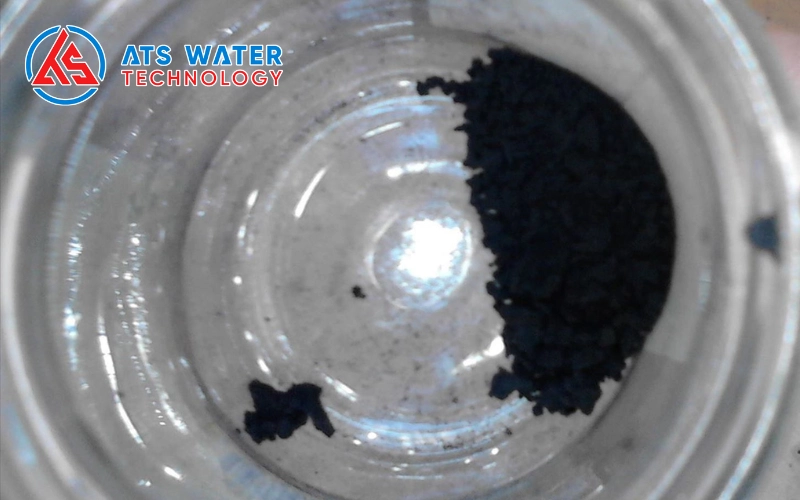
- Black residue: The most noticeable indicator. When exposed to oxygen in the air, dissolved manganese oxidizes into manganese dioxide (MnO₂), a solid black substance. This residue often sticks to surfaces, forming persistent black stains.
3. Harmful effects of manganese in water
Manganese contamination in water has become a pressing issue due to its severe impact on agriculture, industry, and human health.
3.1. Agriculture
Using water with high manganese levels for irrigation can negatively affect plant growth and yield. Excess manganese can be toxic to crops and degrade agricultural product quality. Additionally, it pollutes soil and water, harming local ecosystems.
In livestock farming, consuming manganese-contaminated water can cause health issues, slow growth, and weaken the immune system of livestock and poultry.
3.2. Industry
In industrial processes such as manufacturing and processing, manganese in water can degrade product quality and damage machinery and equipment. Industrial wastewater with high manganese concentrations can pollute receiving water sources, affecting surrounding communities. Moreover, the cost of water treatment for manganese in industrial settings is high, impacting production efficiency.
3.3. Human Health
Long-term consumption of water with excessive manganese levels can lead to its accumulation in the body, causing health problems such as neurological disorders, headaches, fatigue, and liver or kidney damage. Children and pregnant women are particularly vulnerable, as manganese exposure may affect child development[1]. Additionally, high manganese in water can alter its taste and odor, reducing overall water quality.
4. Methods of manganese removal in water treatment
Below are some common methods to remove manganese from water:
4.1. Removing manganese using ion exchange resin
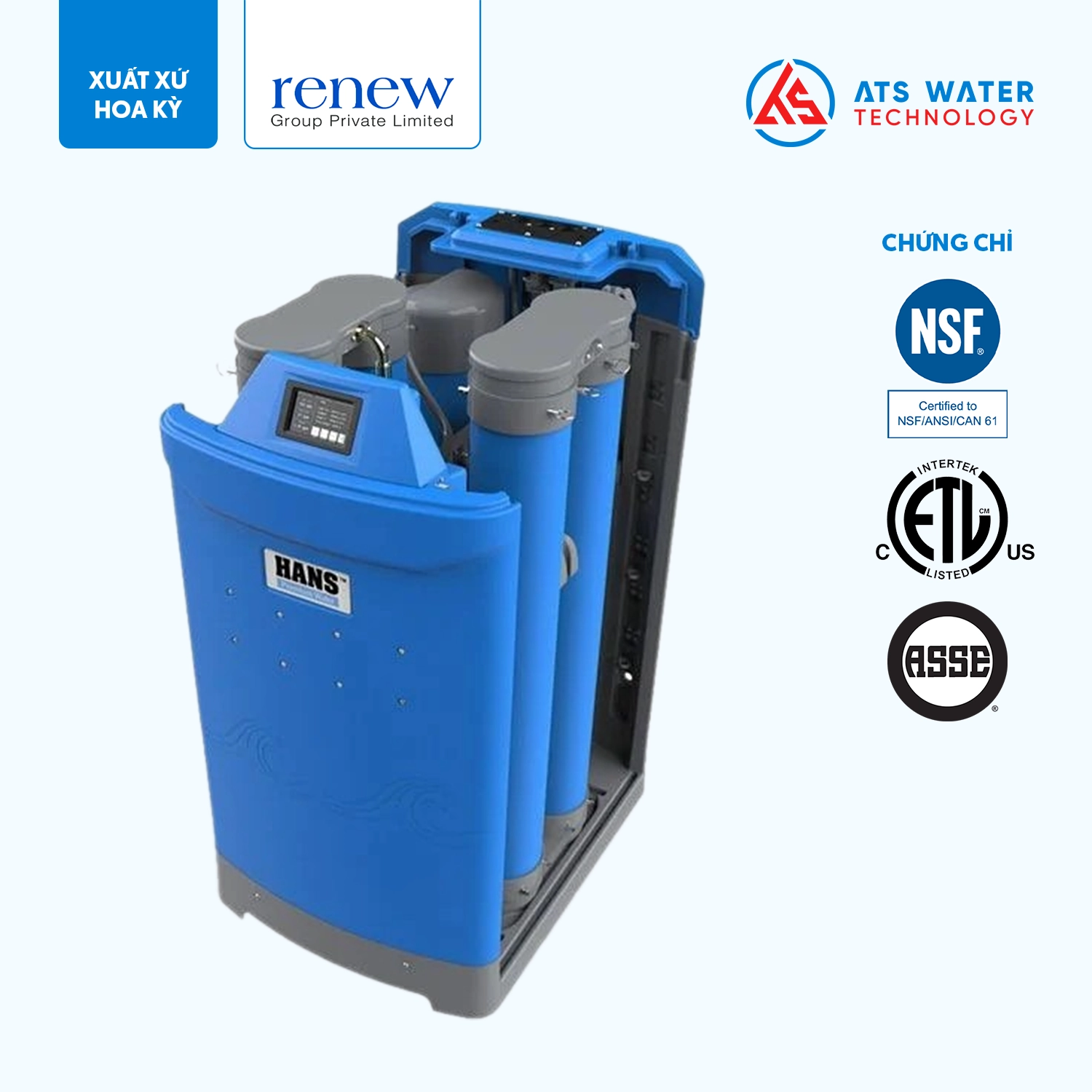
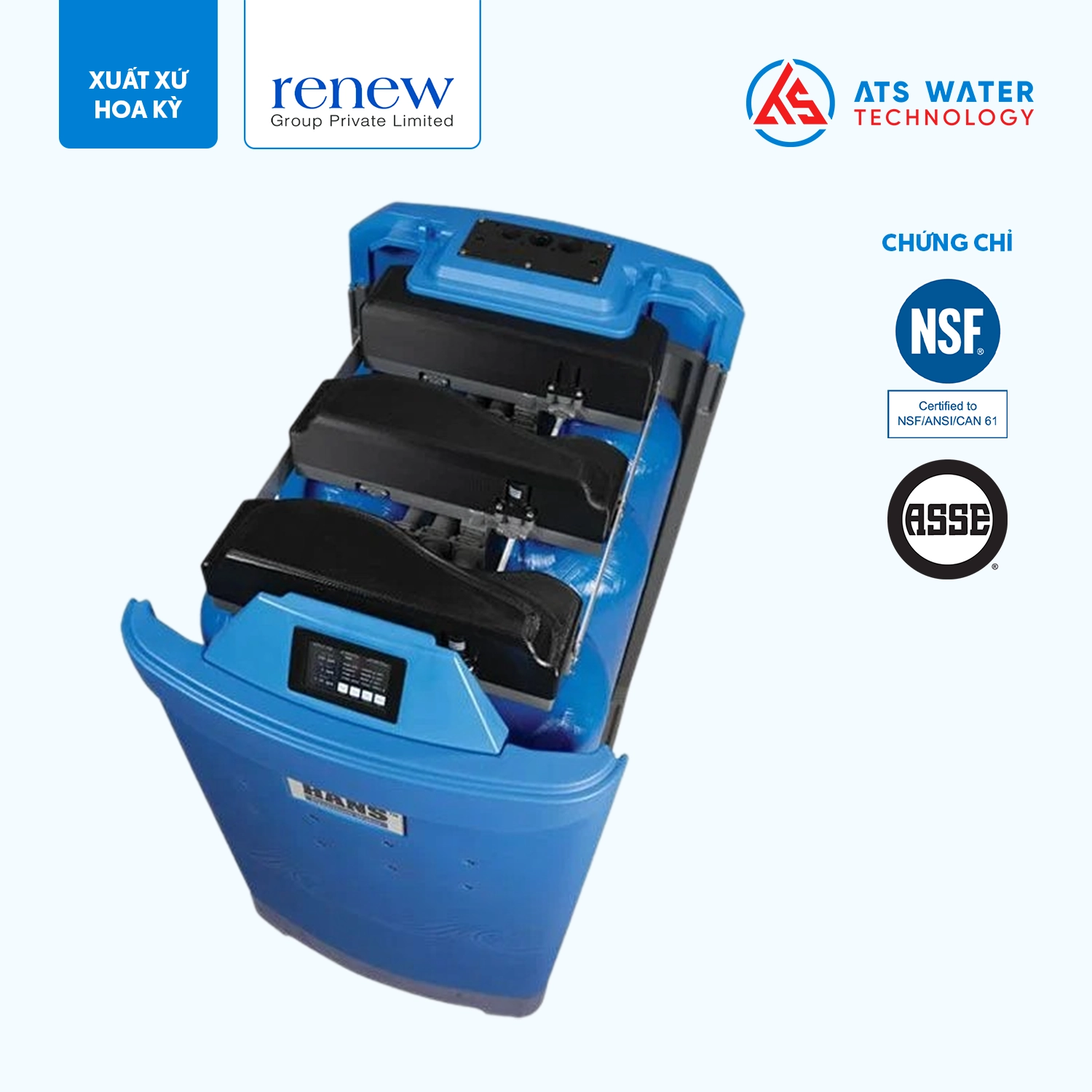
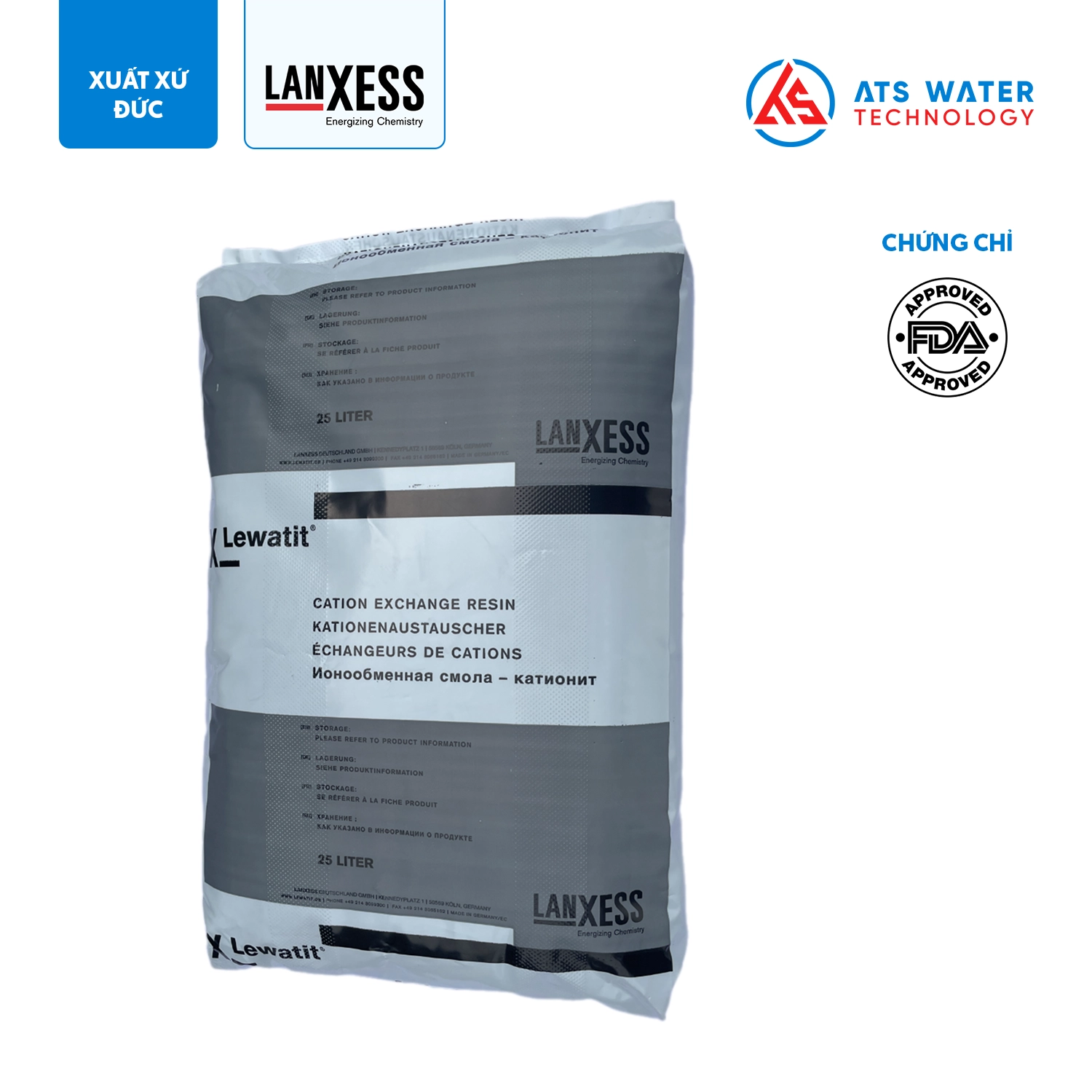
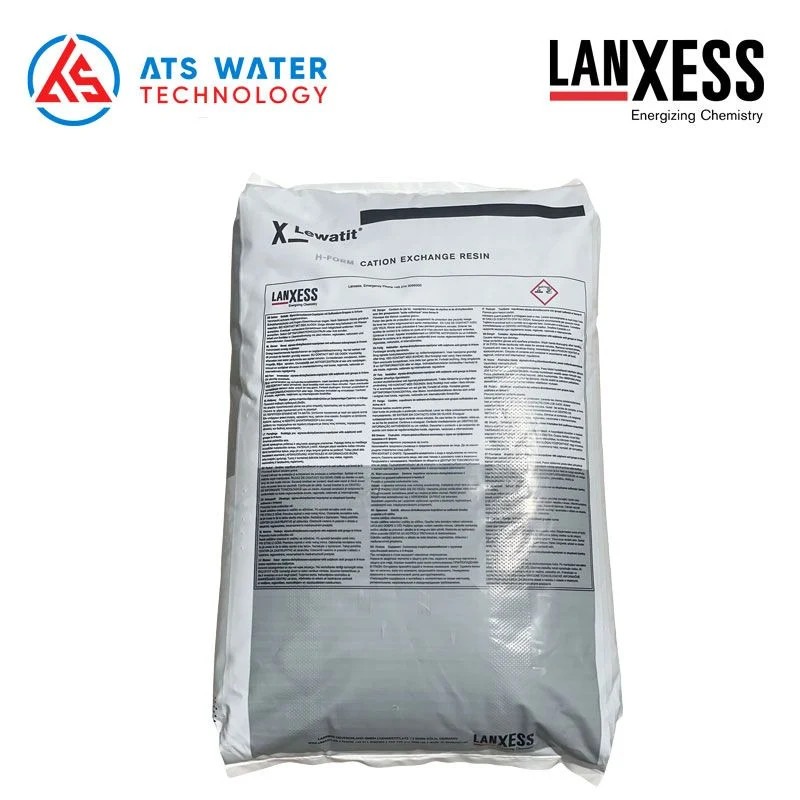
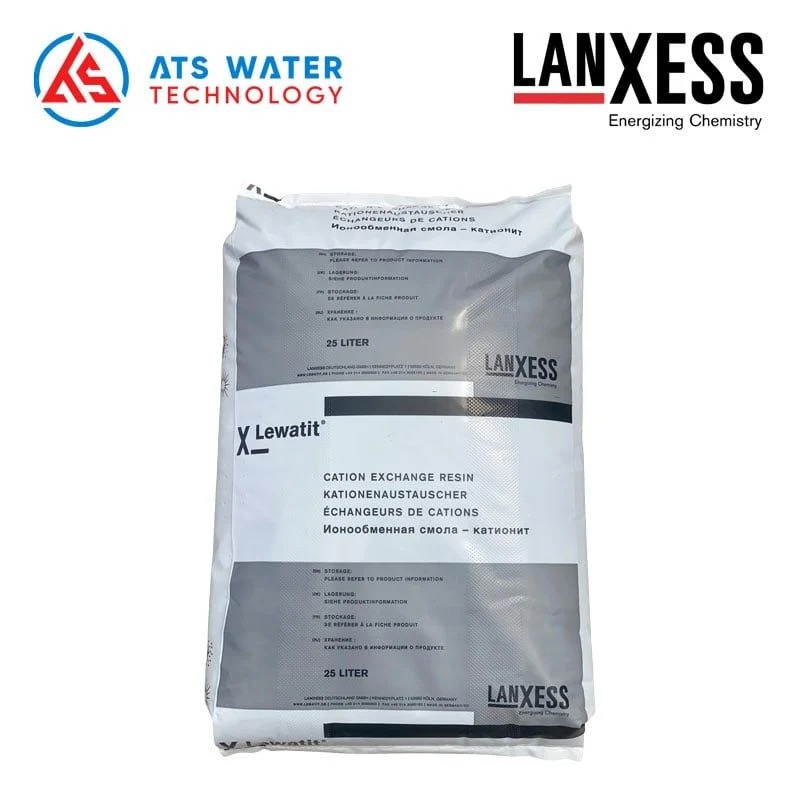
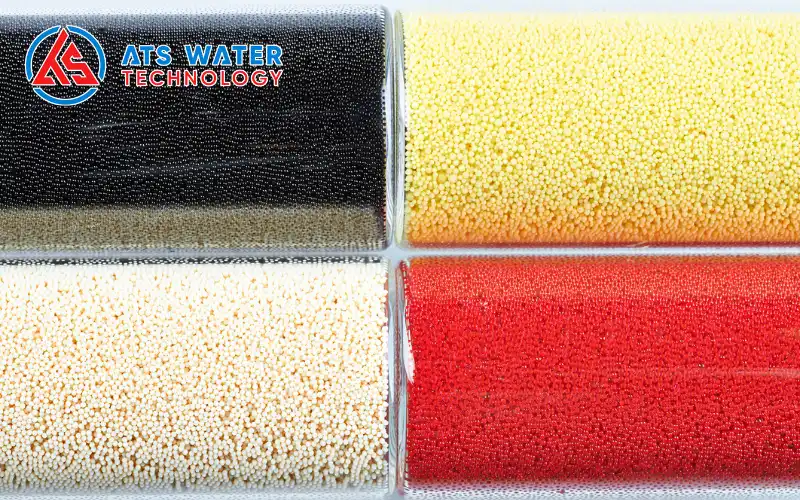
Principle: Ion exchange is a process in which unwanted ions in water (such as manganese) are replaced with other ions (typically sodium or calcium) from an ion exchange medium, such as resin beads. These ion exchange beads have charged surfaces capable of attracting and capturing ions in the water.
Implementation:
- System setup: Install an ion exchange system.
- Water flow: Pass manganese-contaminated water through the ion exchange column.
- Ion exchange: Manganese ions in the water are absorbed by the ion exchange medium, while sodium or calcium ions are released into the water.
- Regeneration: Over time, the ion exchange material becomes saturated with manganese and must be regenerated using a salt (sodium chloride) solution to restore its ion exchange capacity.
4.2. Oxidation method for manganese removal
Principle: Oxidation converts dissolved manganese (Mn²⁺) into an insoluble form (MnO₂) through a chemical reaction, typically using oxygen or other oxidizing agents.
Implementation:
- Add an oxidizing agent: Introduce an oxidizing agent (such as oxygen, ozone, sodium hypochlorite, or potassium permanganate) into the manganese-contaminated water.
- Chemical reaction: Manganese is oxidized from Mn²⁺ to MnO₂, forming an insoluble precipitate.
- Filtration: The MnO₂ particles are removed via sedimentation or filtration.
Mn²⁺ ions are oxidized into insoluble solids that can be easily removed afterward.
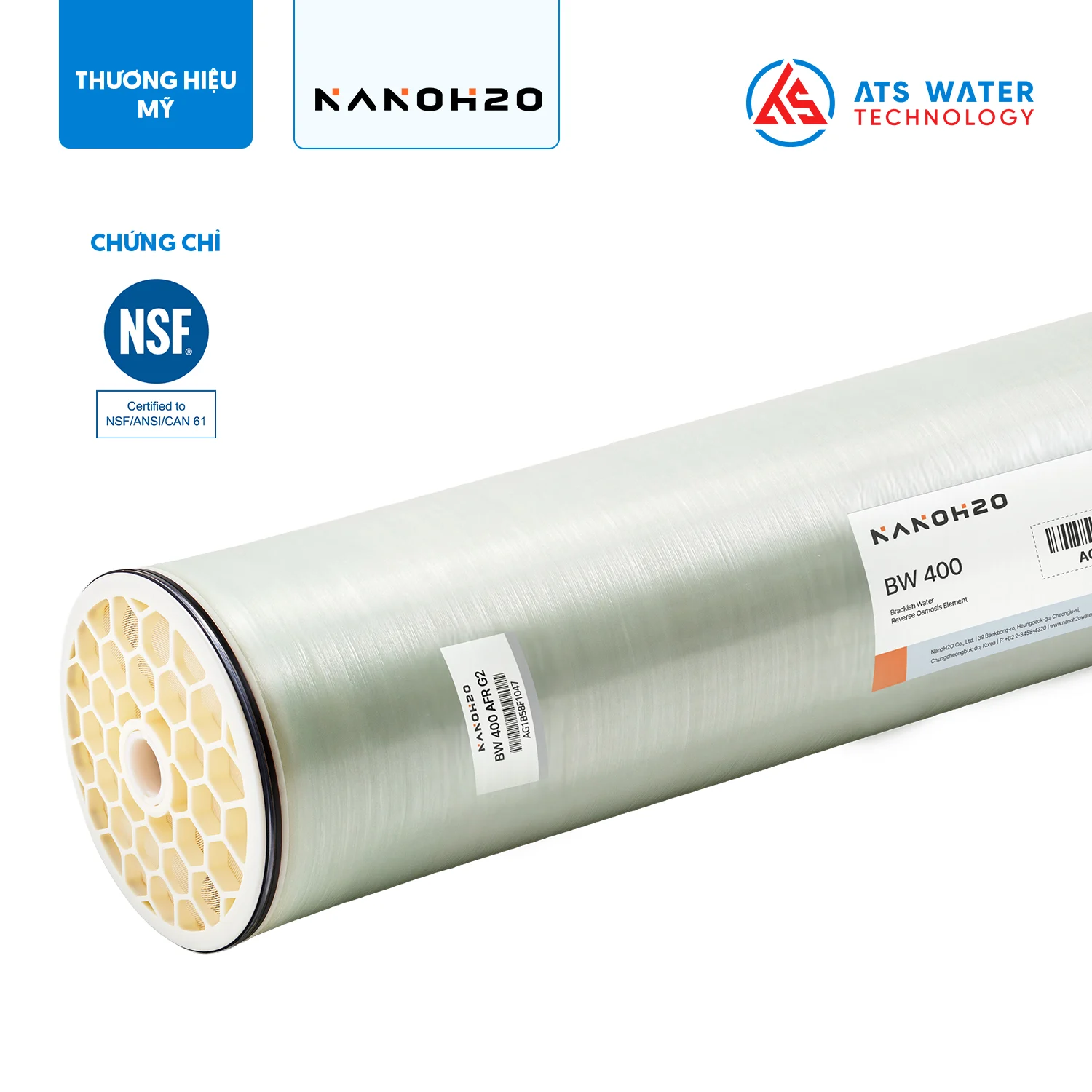
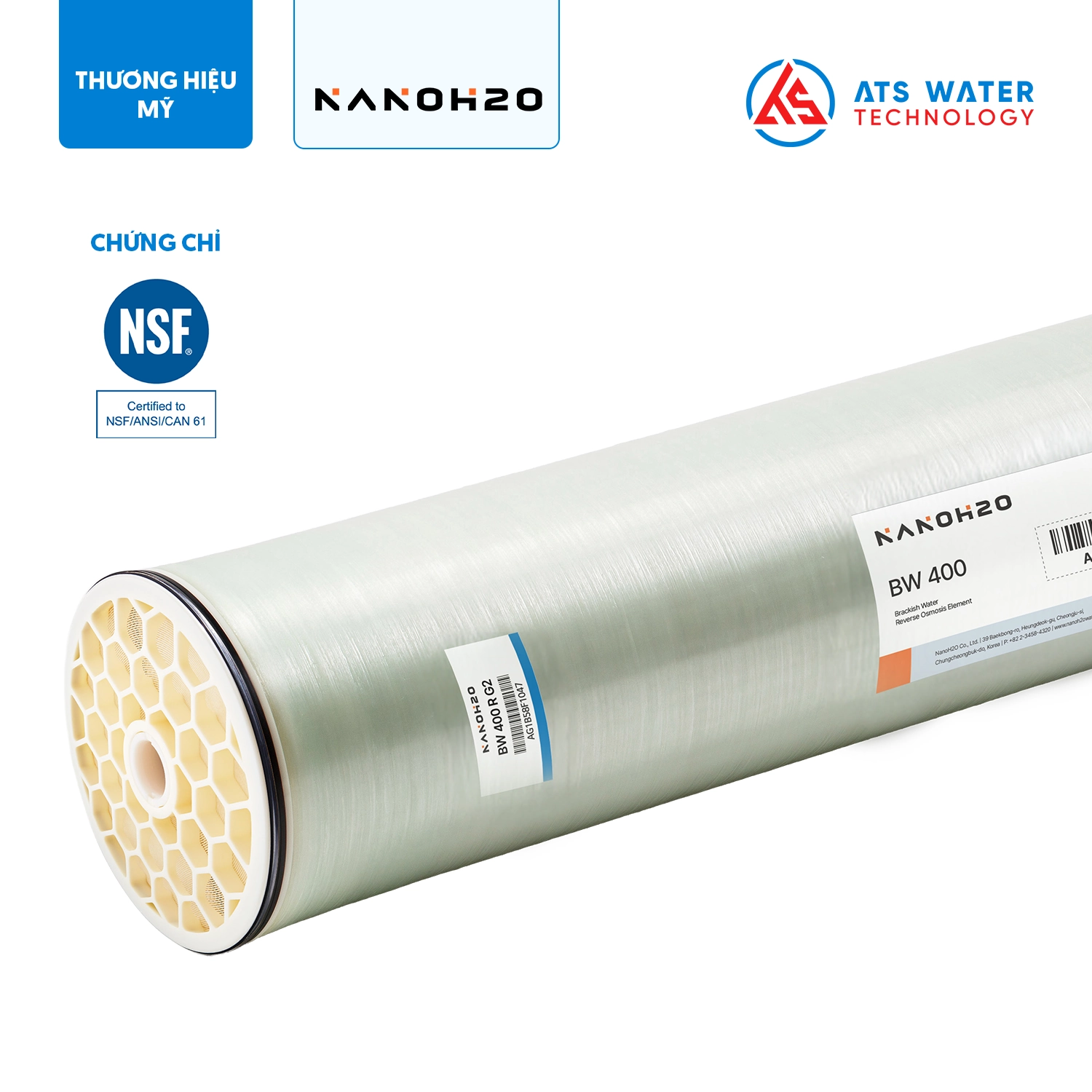
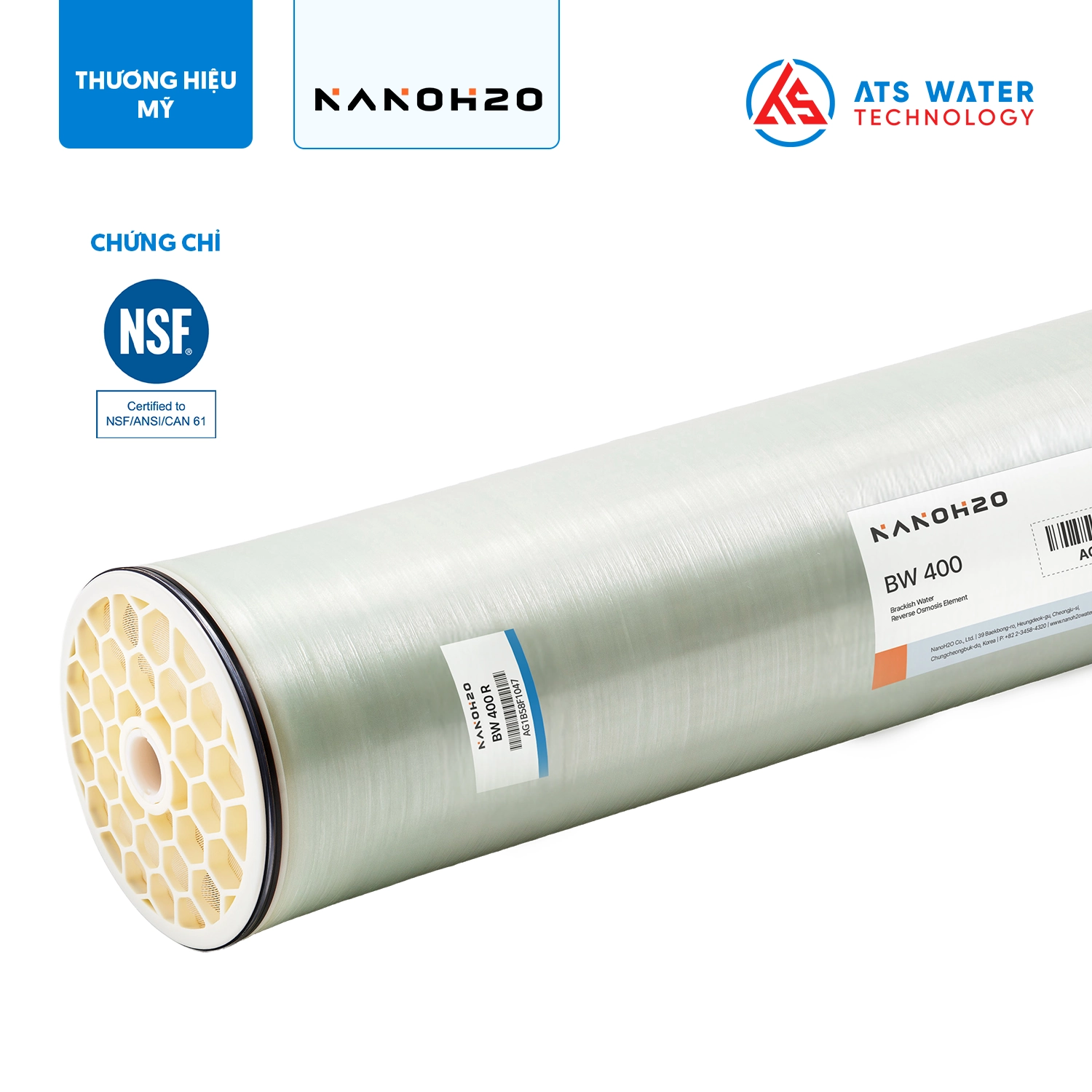
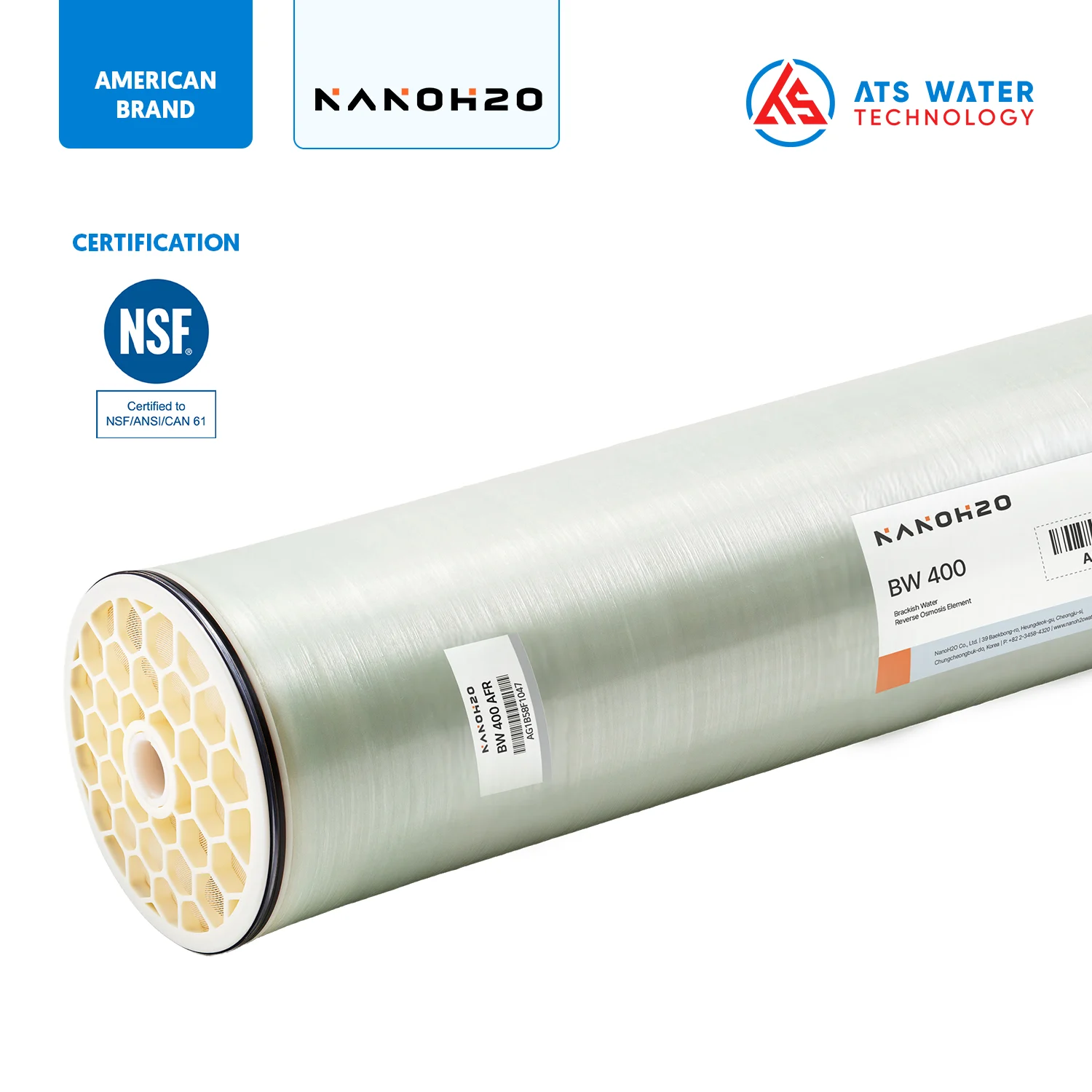
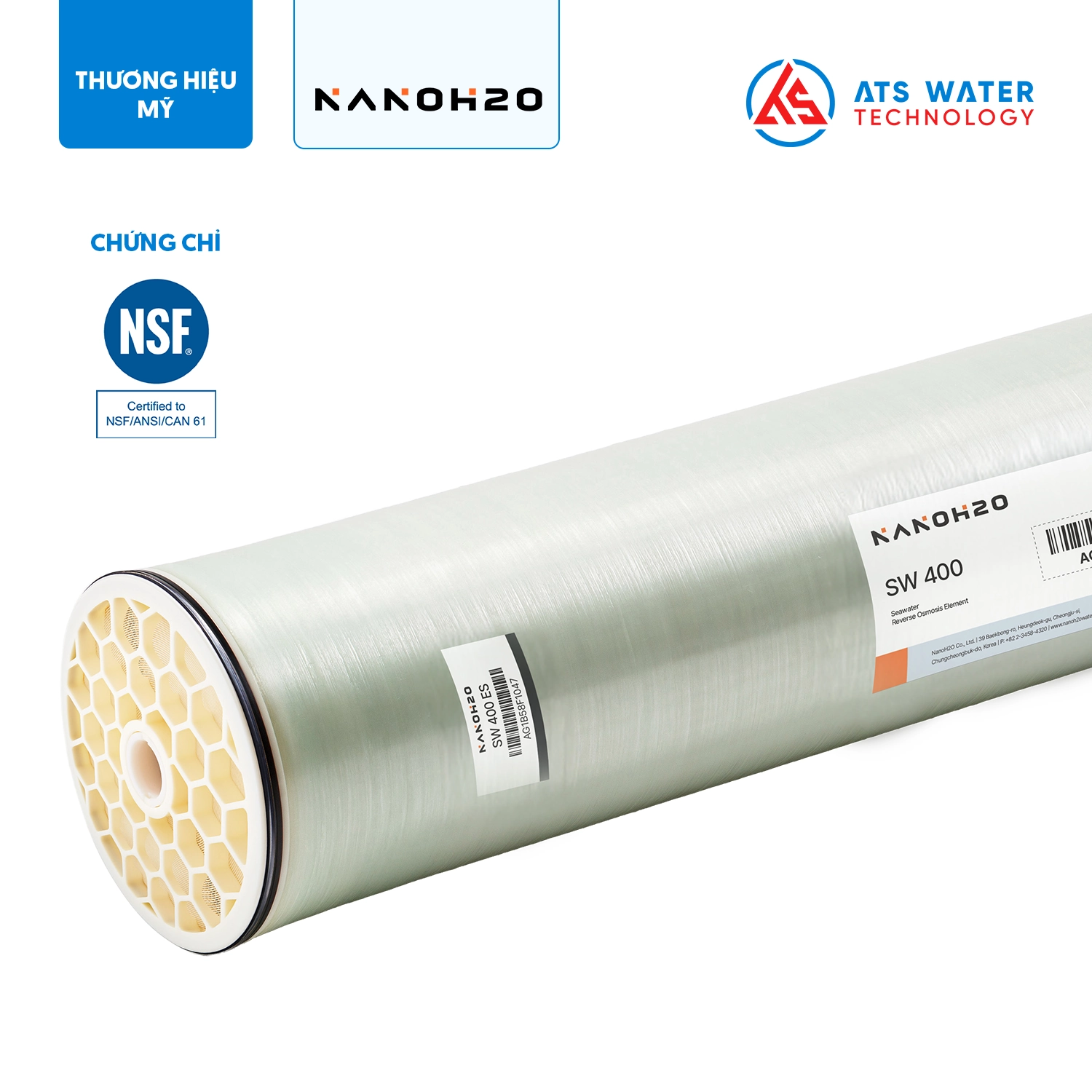
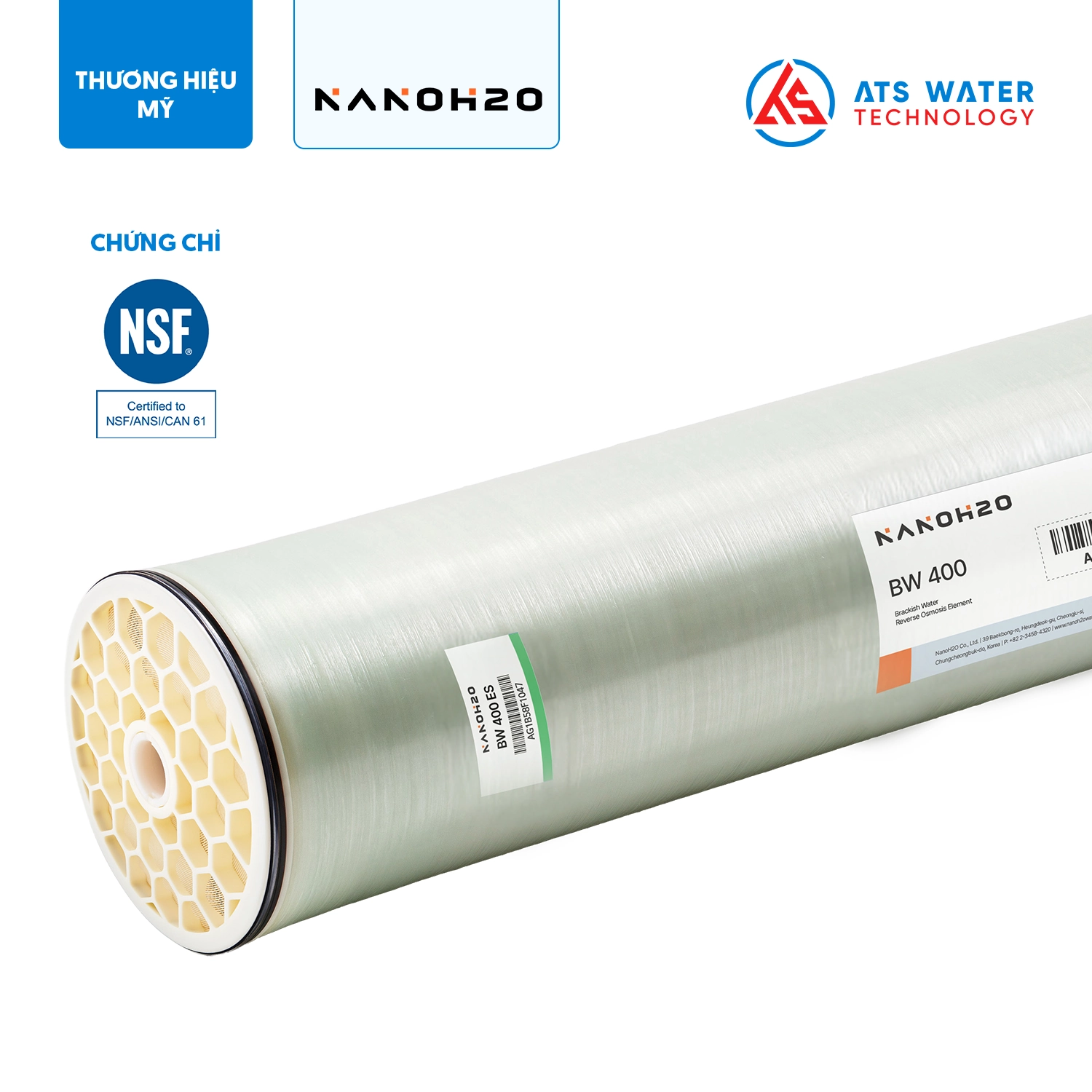
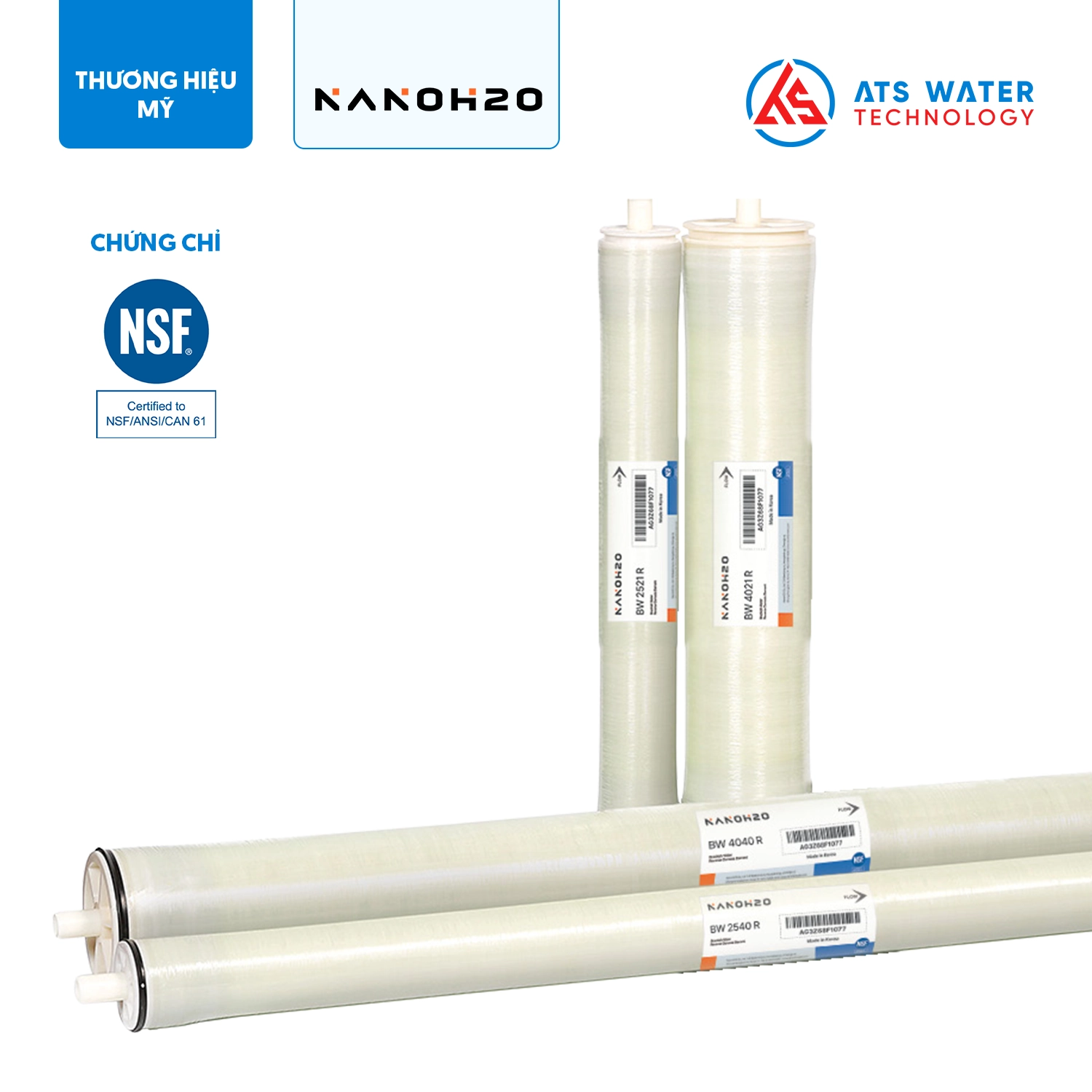
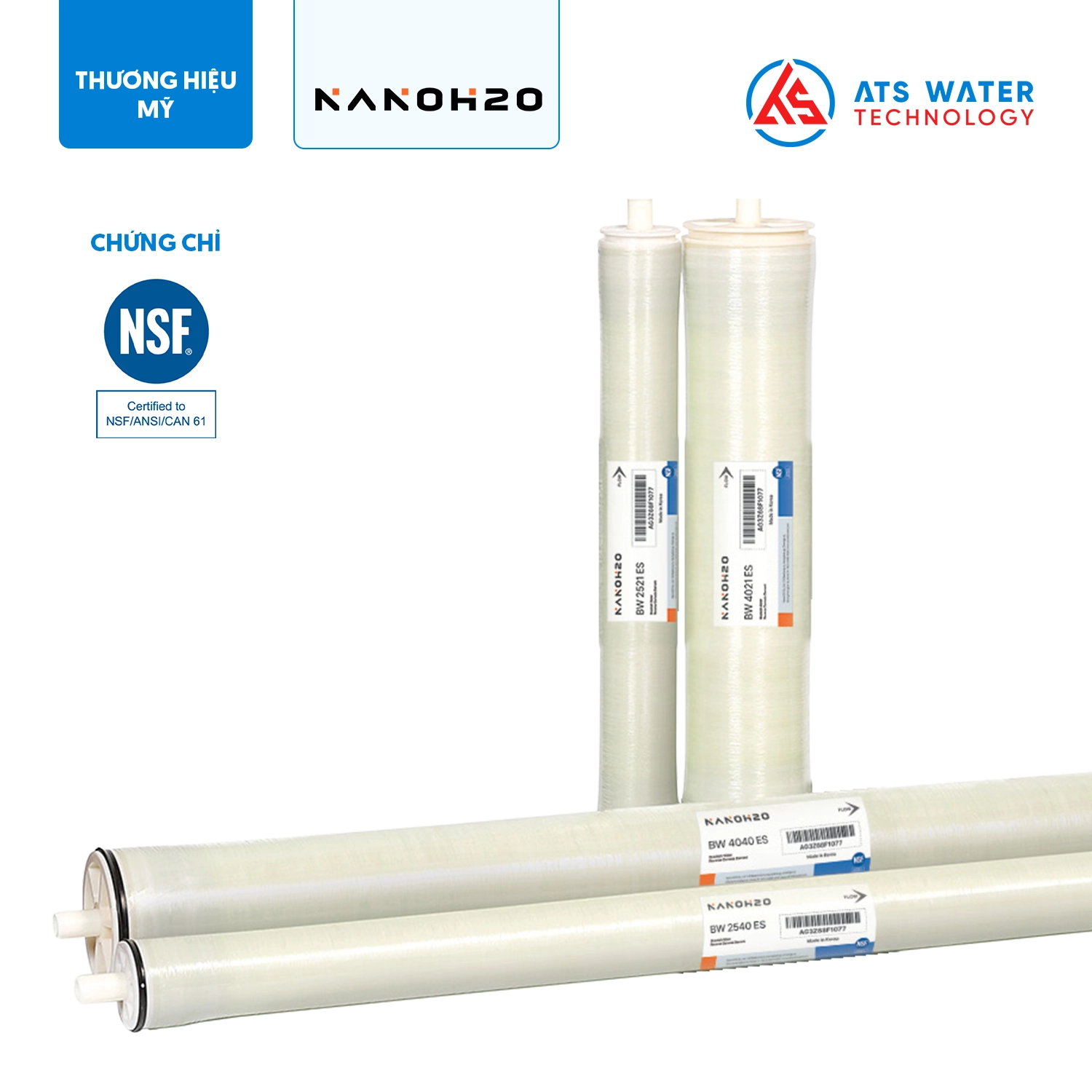
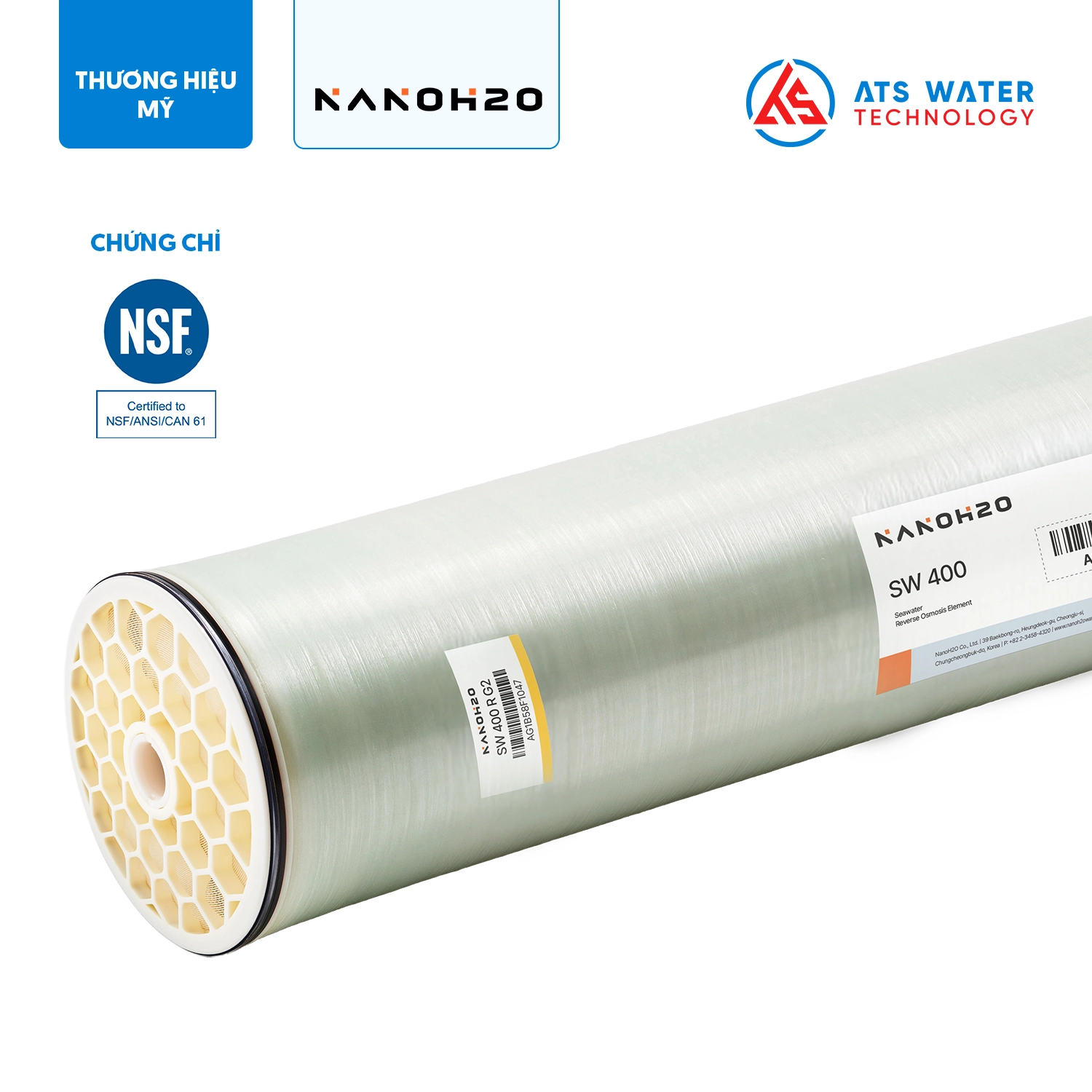
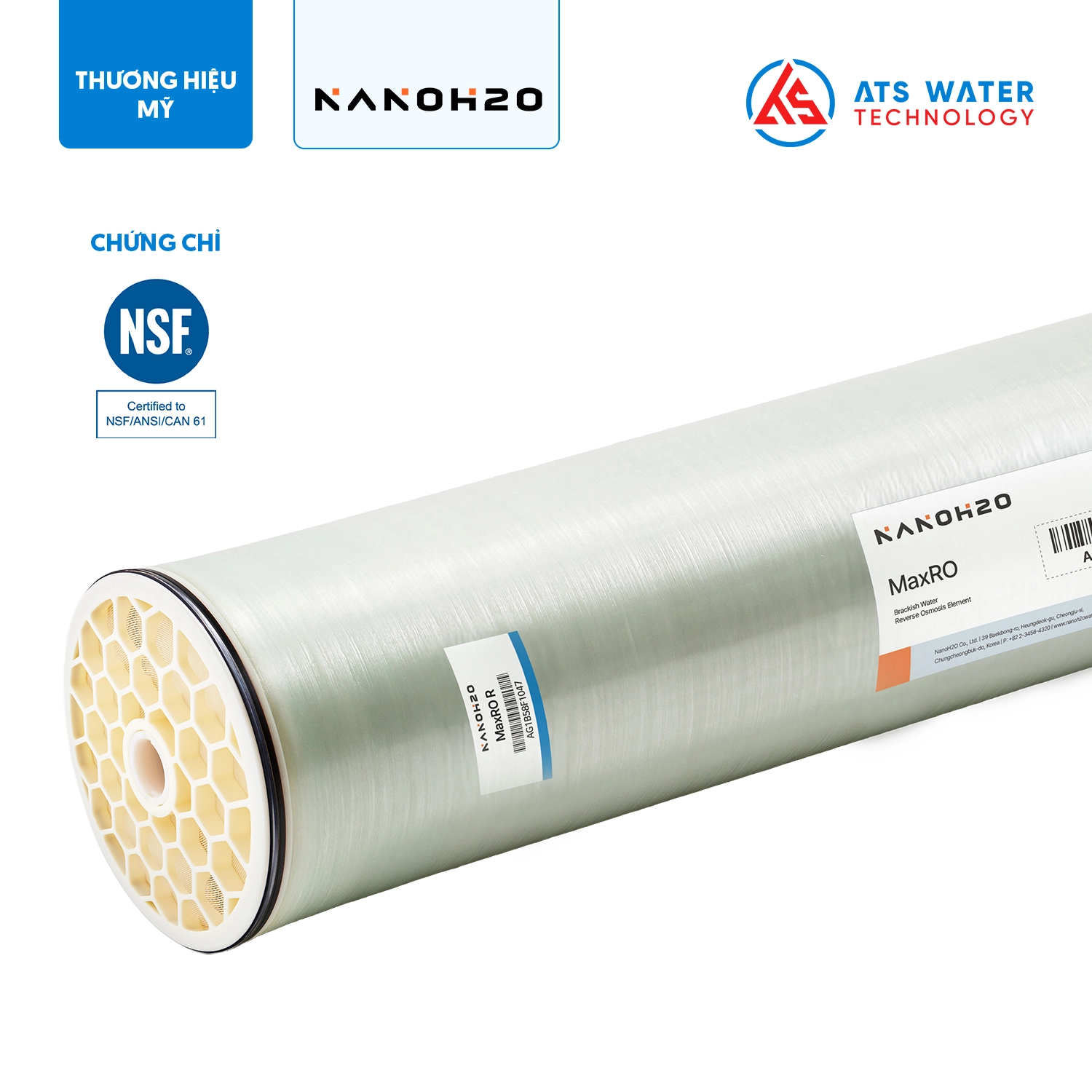
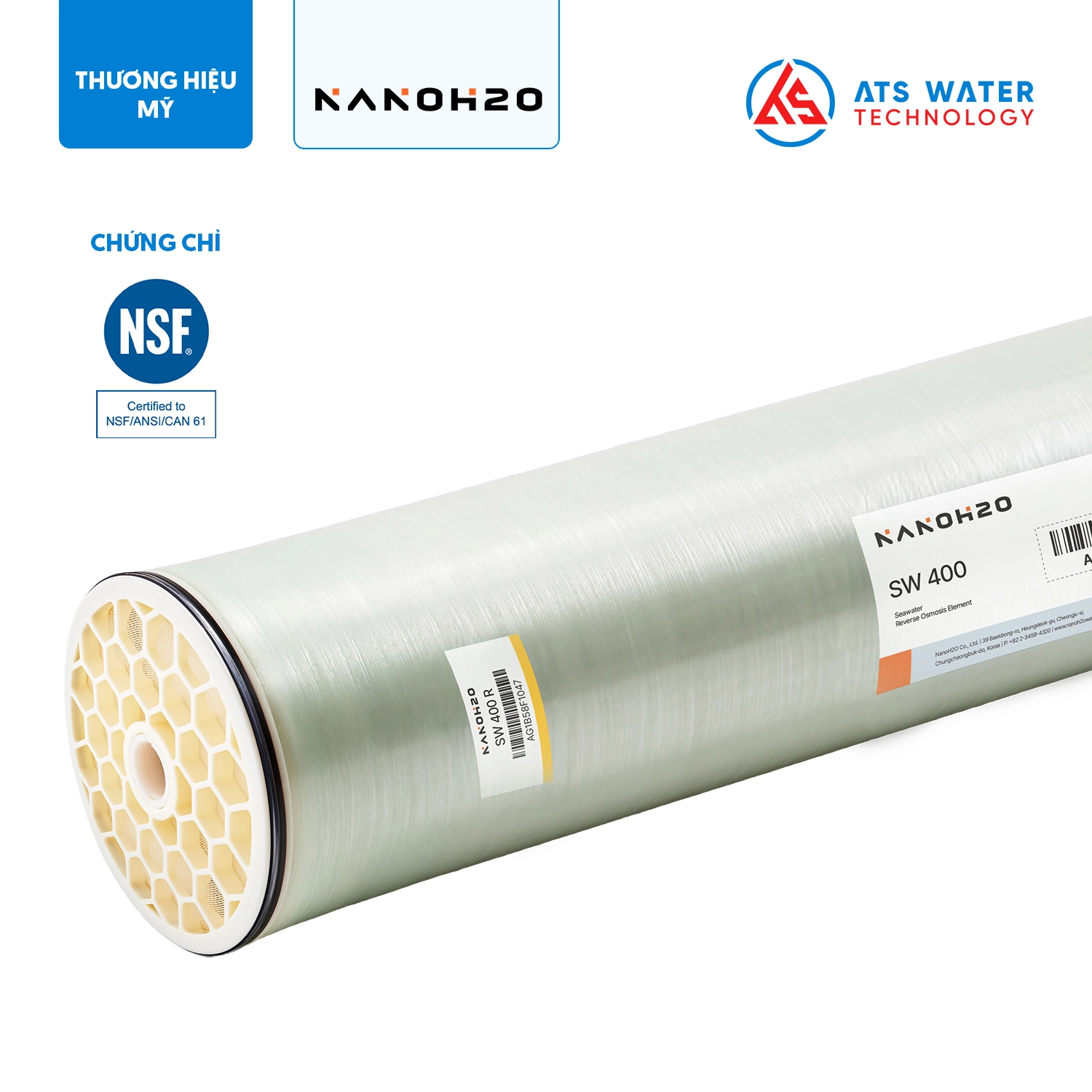
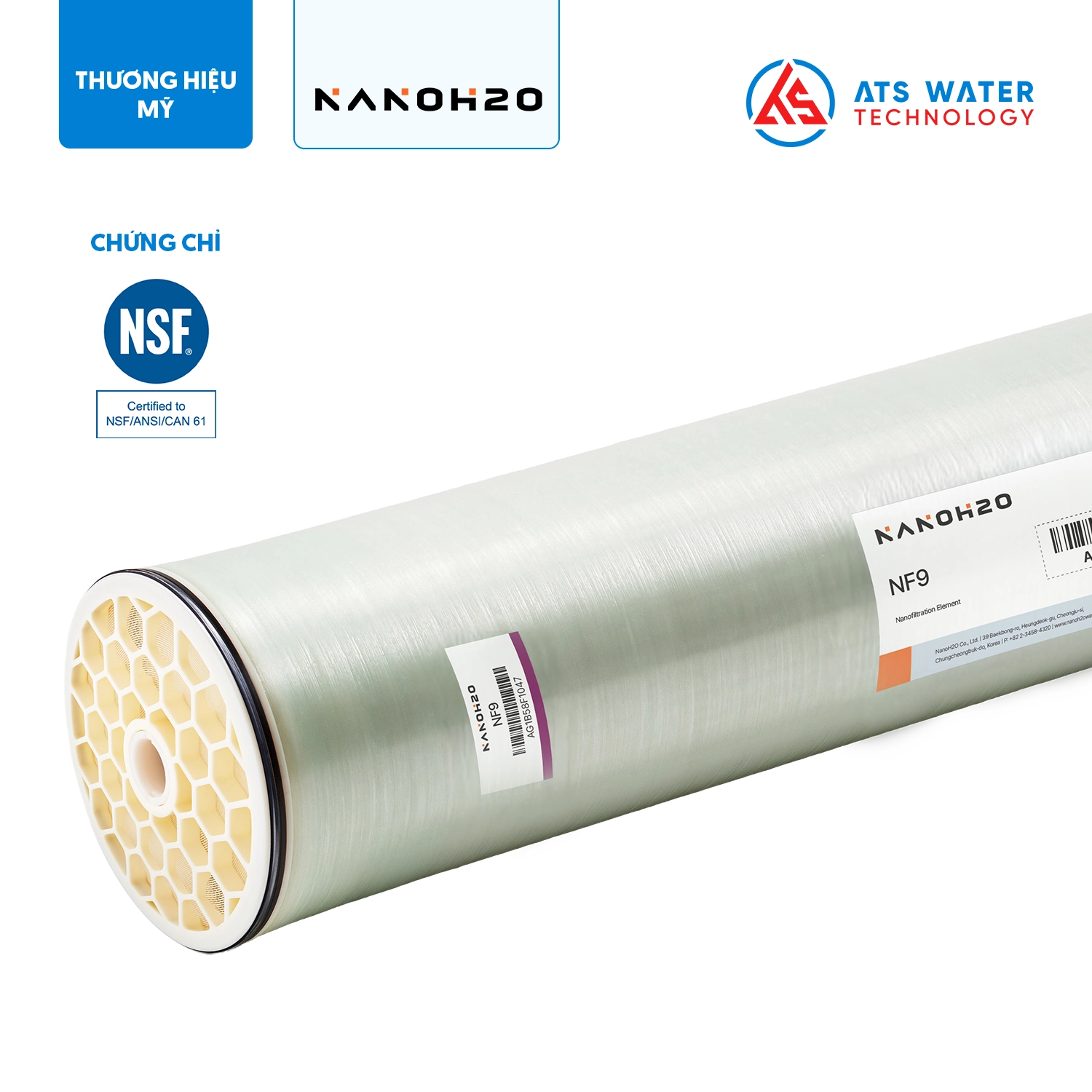
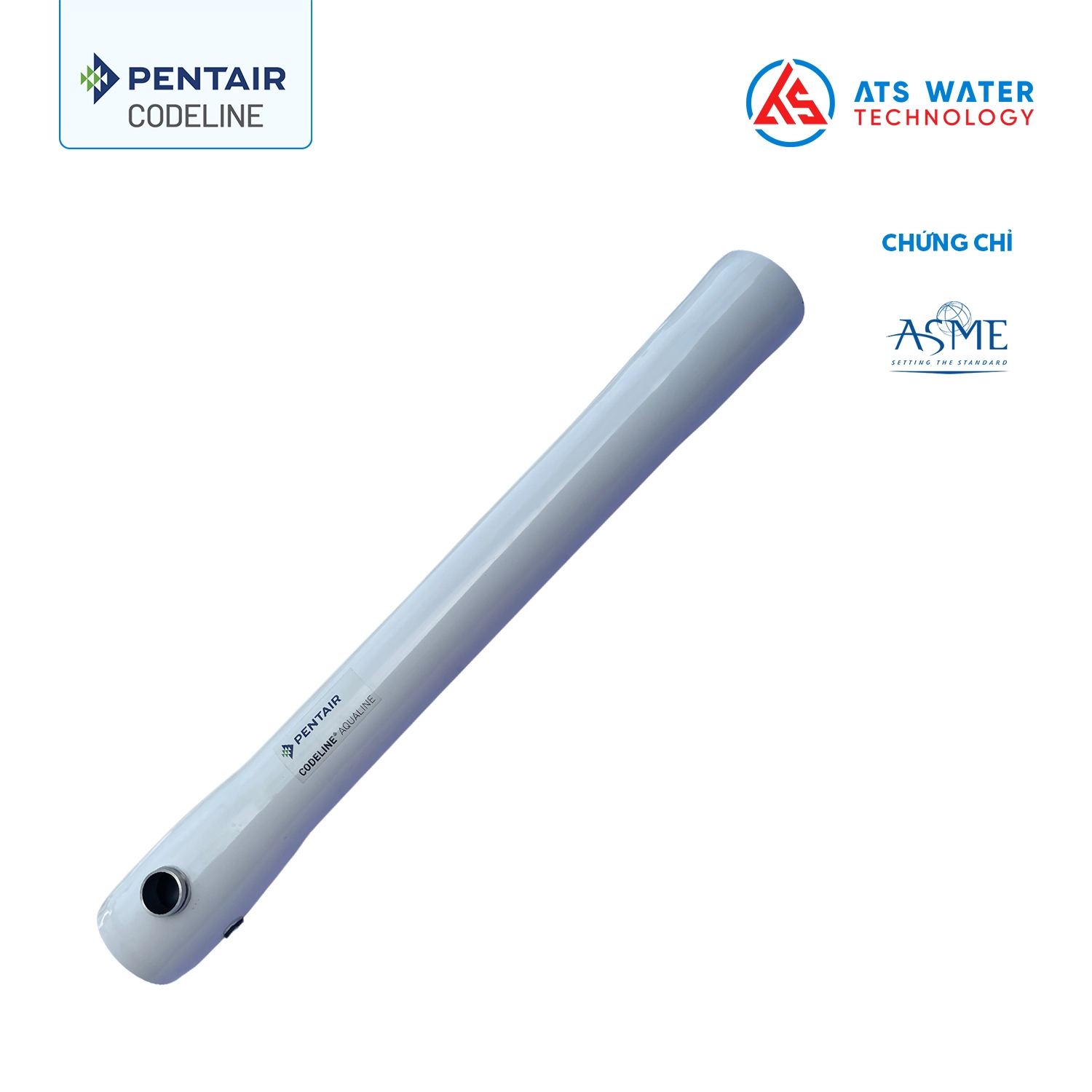
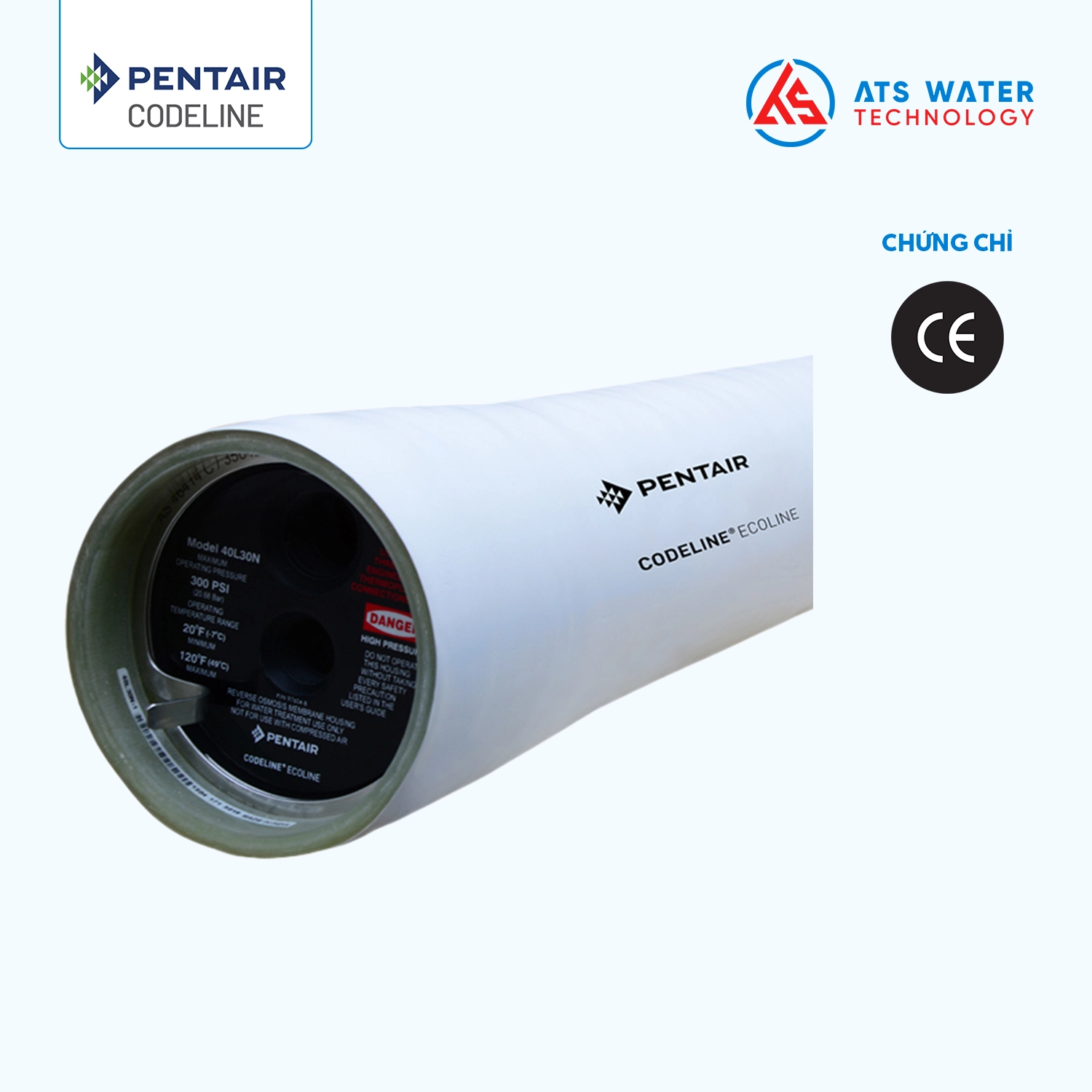
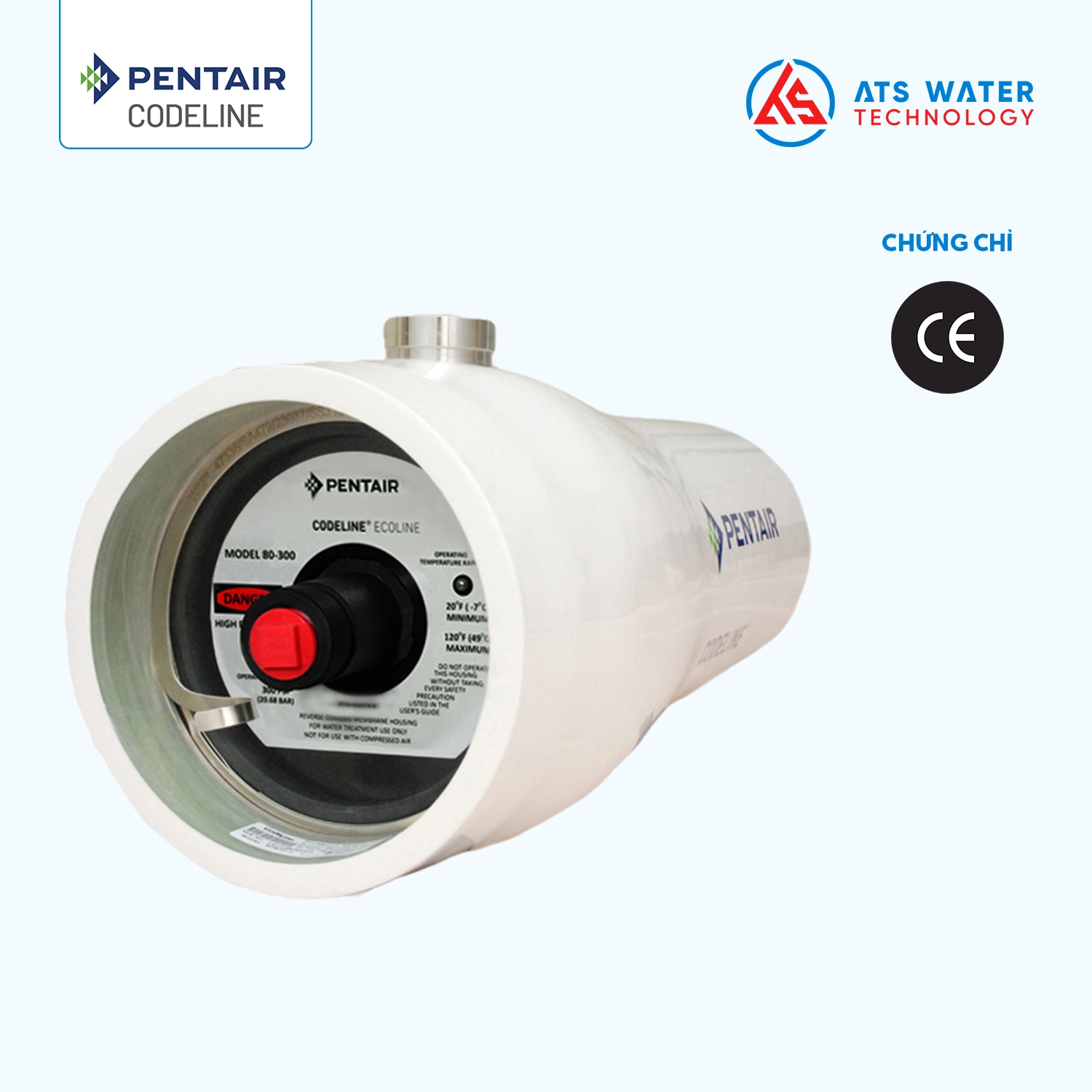
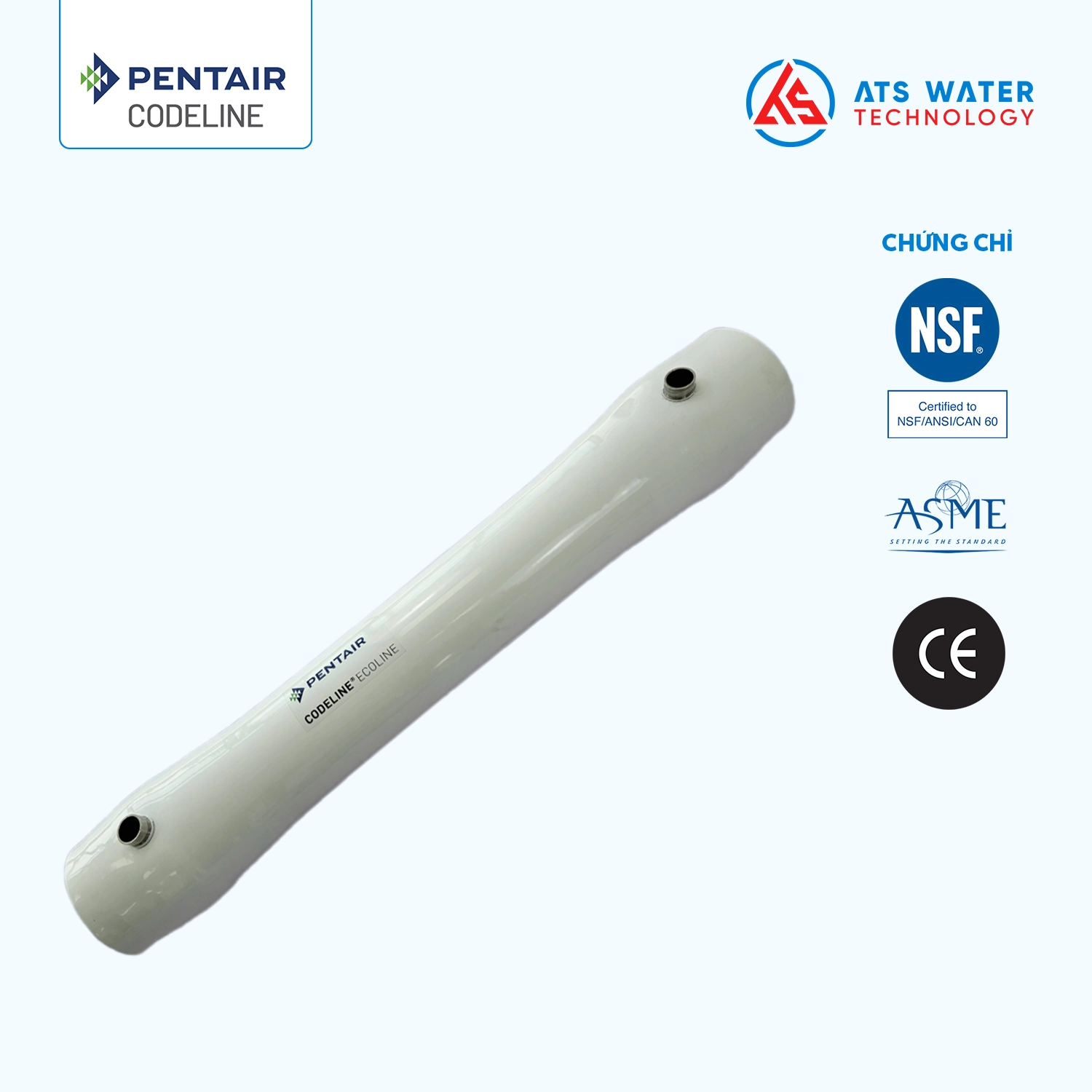
4.3. Using Reverse Osmosis (RO) membranes to remove manganese
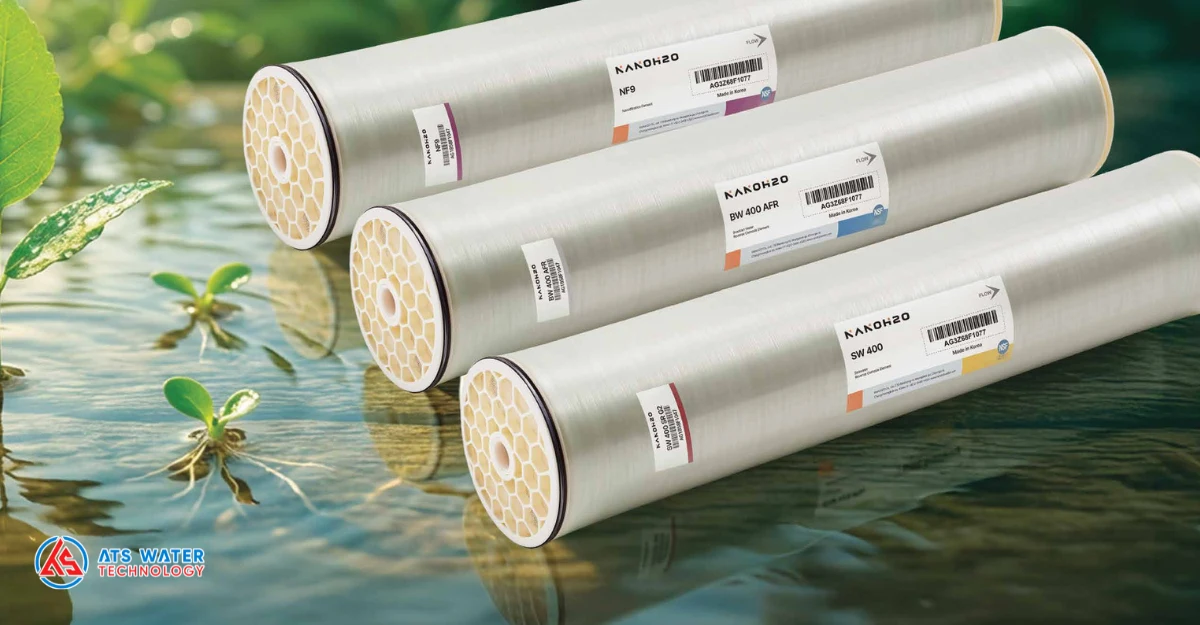
Principle: RO membranes allow only water molecules to pass through while blocking bacteria, viruses, and contaminants larger than 0.0001 μm, including Mn²⁺ ions.
Implementation:
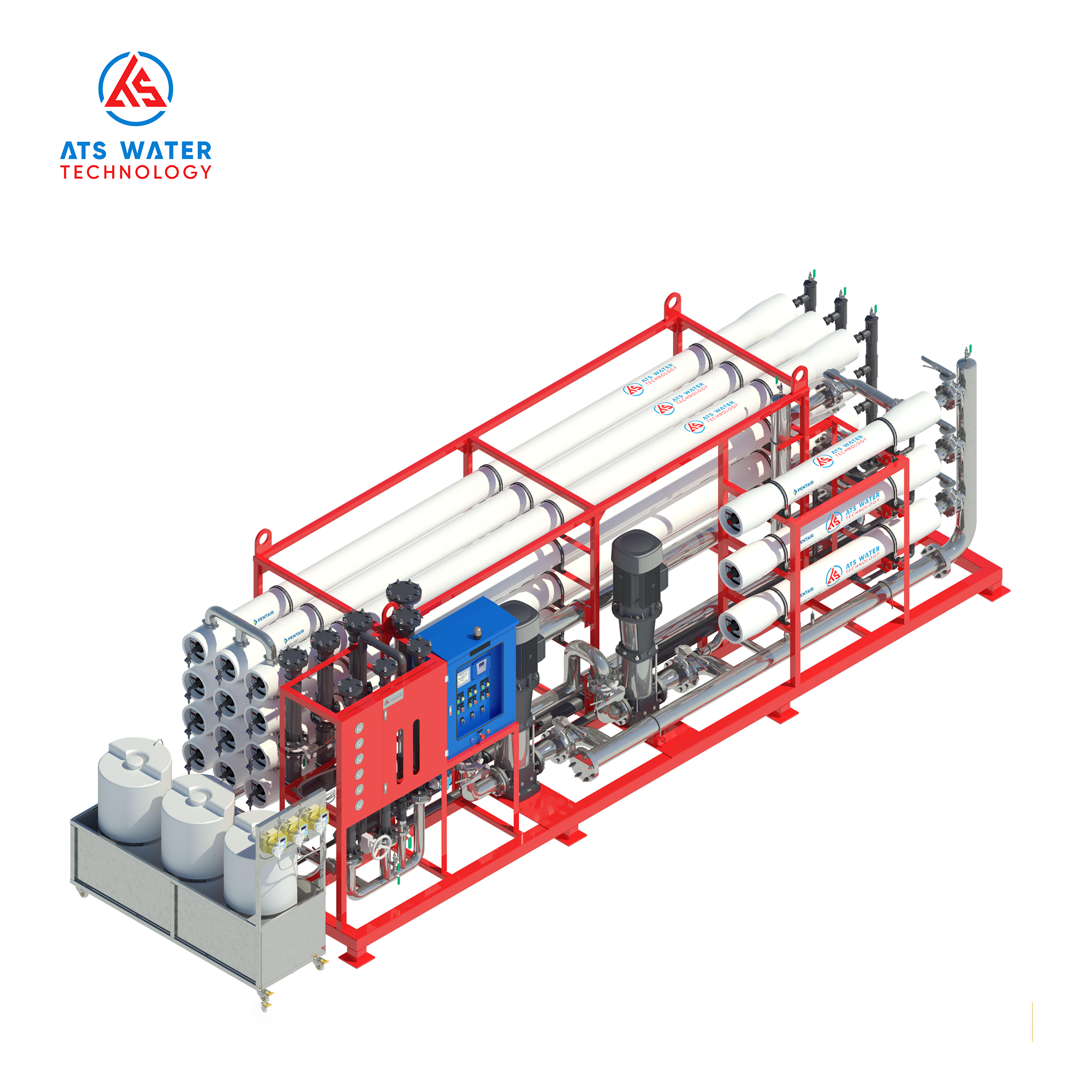
- System setup: Install an RO filtration system.
- Water filtration: Pump manganese-contaminated water through the membrane, where manganese ions are retained while purified water passes through.
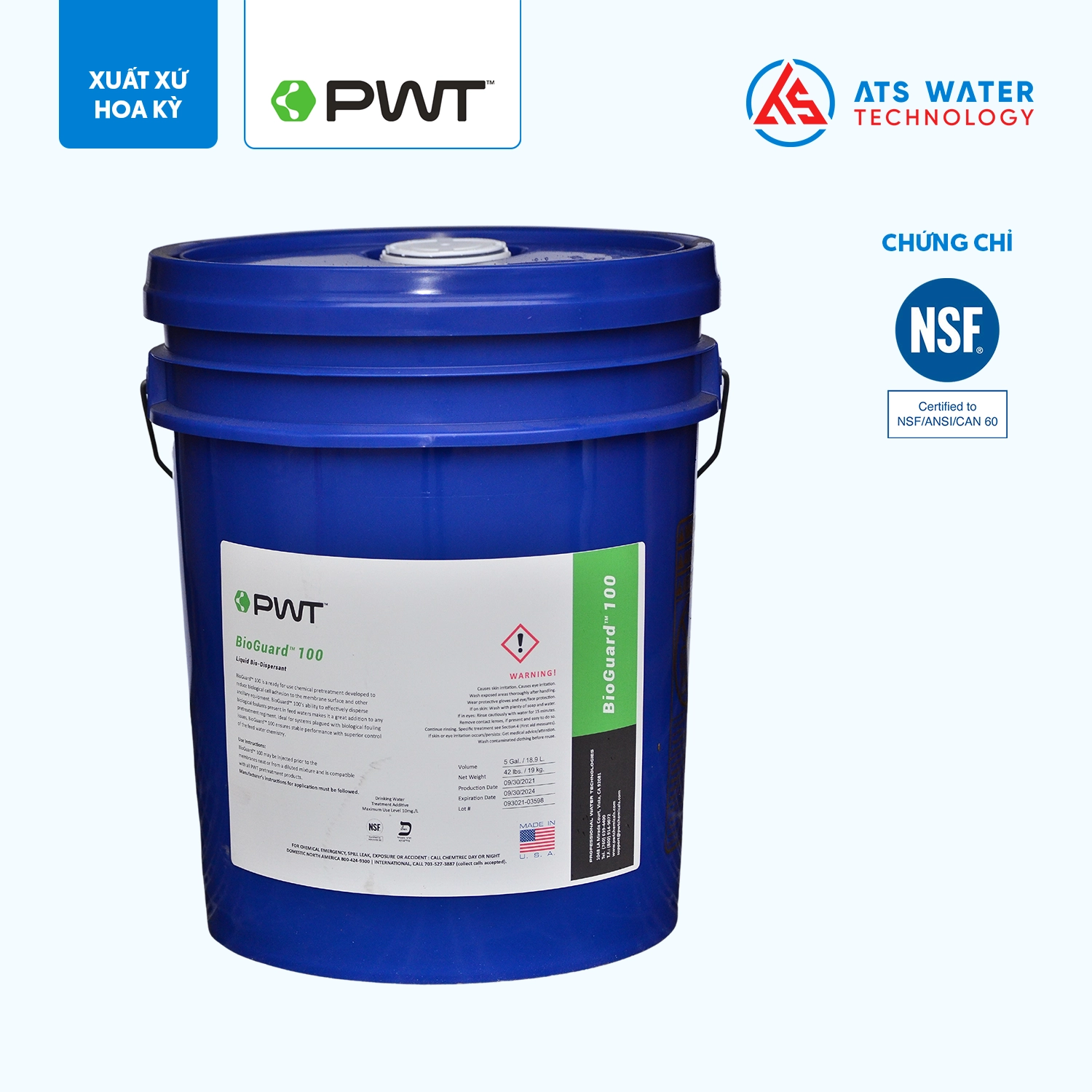
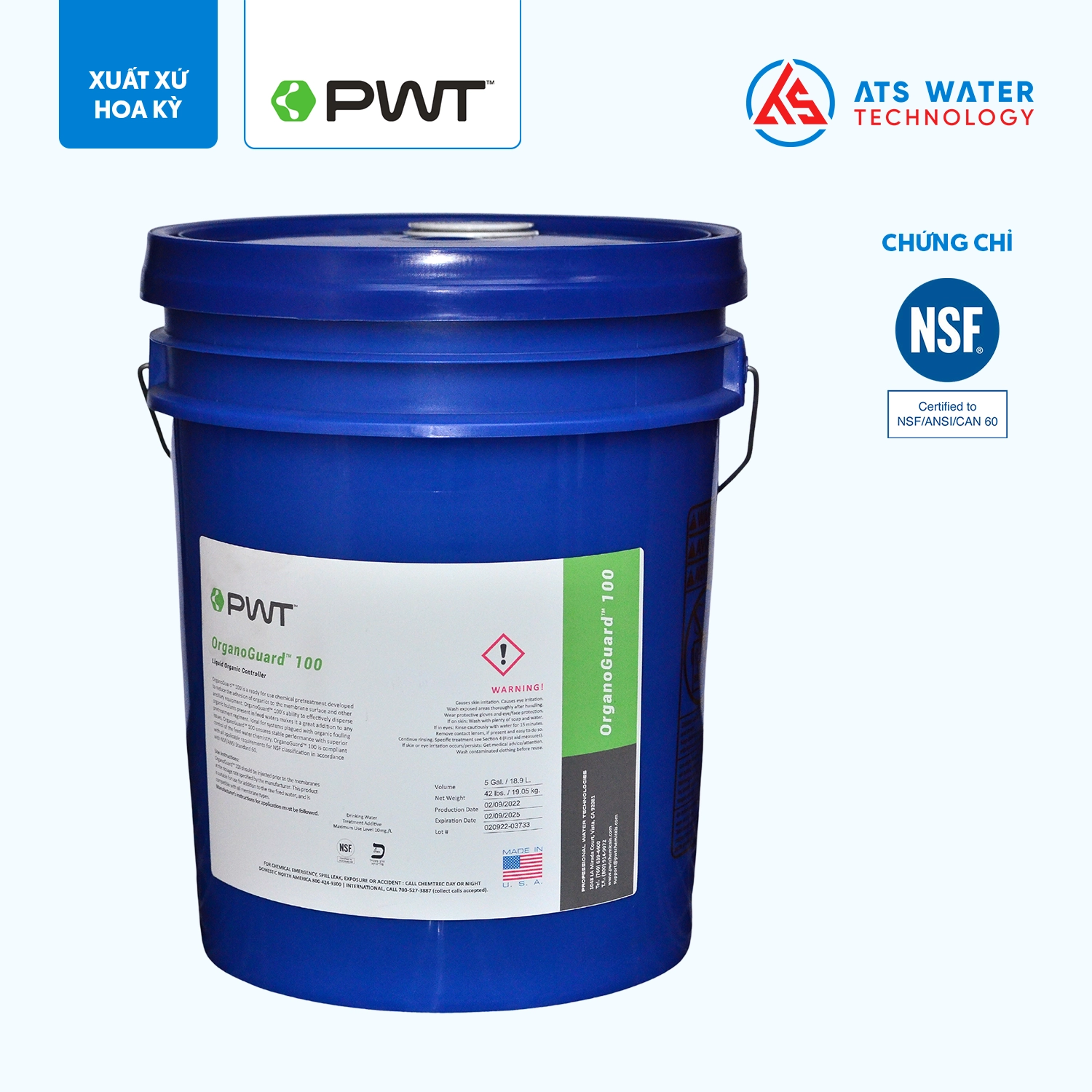
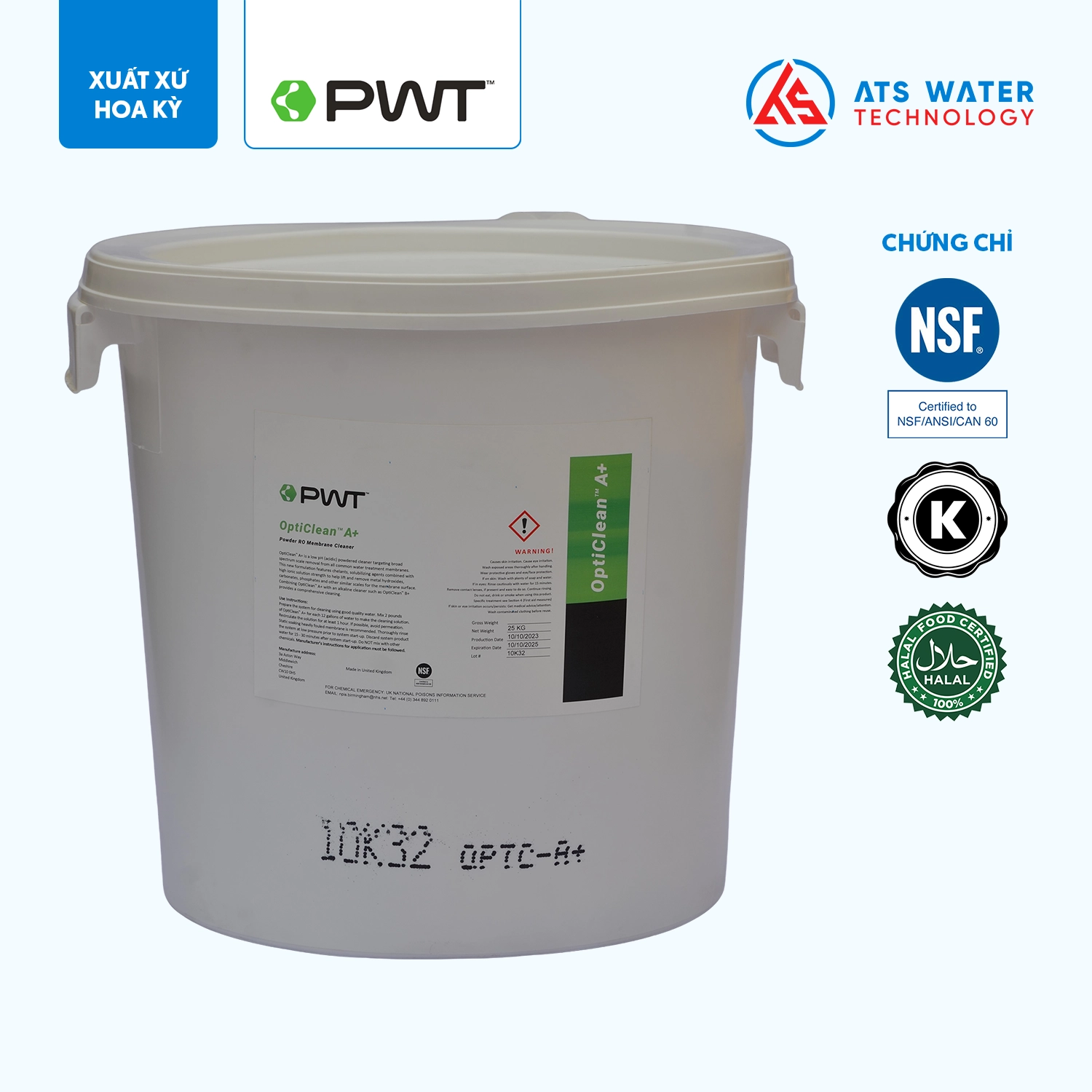
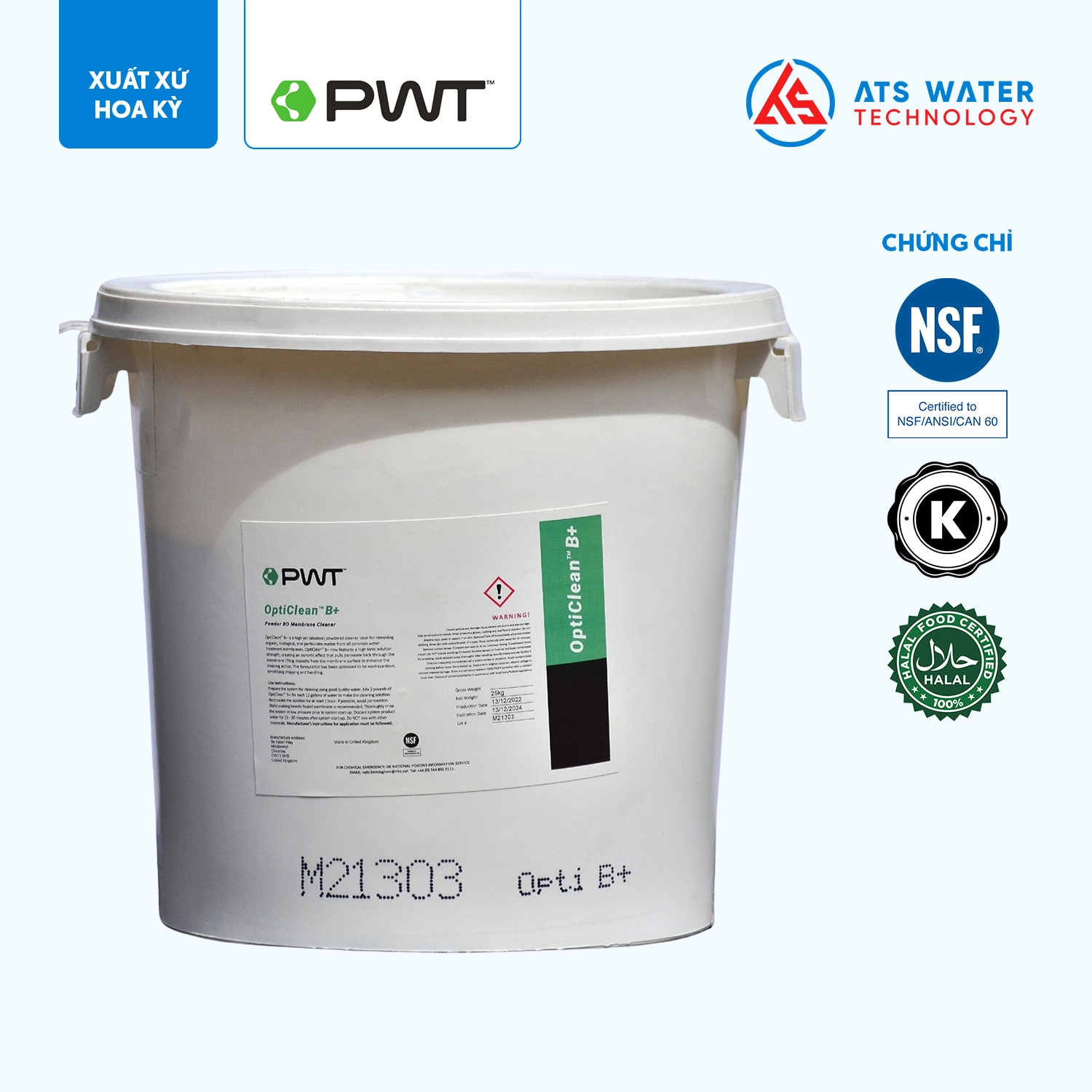
- Membrane maintenance: Regular cleaning is necessary to prevent clogging, and membranes should be replaced as needed to ensure optimal performance.
| Method | Ion Exchange | Oxidation | Reverse Osmosis (RO) |
|---|---|---|---|
| Advantages | High efficiency, removes multiple ions | Simple, cost-effective | Removes multiple contaminants, chemical-free |
| Disadvantages | High initial cost, requires regeneration | May produce harmful byproducts | High initial cost, frequent maintenance required |
| Applications | High manganese concentration, multi-ion removal | Moderate manganese levels | High turbidity, suspended solids removal |
The most suitable manganese treatment method depends on several factors:
- Manganese concentration: If manganese levels are high, ion exchange or oxidation may be more effective.
- Water characteristics (pH, hardness, other impurities): If the water contains multiple pollutants, RO filtration might be a better choice.
- Desired water quality: If very high water purity is required, combining multiple methods may be necessary.
- Cost considerations: Evaluate both initial investment and ongoing operational costs.
For expert consultation, please contact ATS Water Technology Co., Ltd.
5. Frequently asked questions about manganese in water
What is the safe level of manganese in drinking water?
According to Vietnam’s QCVN 01-1:2018/BYT standard, the acceptable manganese levels in drinking water must not exceed 0.1 mg/L.
Why is manganese commonly found in well water?
Manganese contamination occurs as groundwater moves through geological formations rich in manganese, dissolving and carrying Mn²⁺ ions. The concentration depends on the manganese content in local sediments and rock layers.
Can manganese-contaminated water be used for cooking?
It is not recommended. Manganese contamination can affect taste, lower food quality, and pose health risks when consumed.
How to remove manganese from water?
Manganese in water can be treated using methods such as ion exchange, oxidation, and reverse osmosis (RO) treatment systems.
Manganese in water can significantly impact health, agriculture, and industry. By recognizing the signs early and applying the right treatment methods, you can effectively eliminate manganese from your water supply. Take action today to ensure safe, clean water for the future.
ATS WATER TECHNOLOGY CO., LTD
- Head office: 54/18 Bui Quang La, An Hoi Tay Ward, HCMC, Vietnam
- Branch office: 77 DHT10B, Dong Hung Thuan Ward, HCMC, Vietnam
- Consultation and support: (028) 6258 5368 – (028) 6291 9568
- Email: info@atswatertechnology.com
- Social media: Facebook | LinkedIn | YouTube
- Quick contact: Zalo Official | Telegram | WhatsApp
References
[1] Ljung, K., & Vahter, M. (2007). Time to re-evaluate the guideline value for manganese in drinking water?. Environmental health perspectives, 115(11), 1533-1538