
Phone
(028) 6258 5368


 Solution
  Technology
  Application



Ion exchange resins
Ion exchange resins
Ion exchange resin is an essential material in modern water treatment. With its ability to exchange ions with undesirable ions in water, it plays a crucial role in industrial, domestic, and ultrapure water treatment systems. Among the leading brands in the market, Lanxess (Germany) is highly regarded for its performance and durability. Let’s explore the details in this article from ATS Water Technology..
1. What is ion exchange resin?
Ion exchange resins are porous polymers containing functional ionic groups such as sulfonic (-SO₃H), carboxylic (-COOH), and primary/secondary/tertiary amines. These functional groups enable the resin to exchange ions present in water to remove or introduce specific components.
Ion exchange resins can remove hardness ions like Ca²⁺, Mg²⁺, anions such as Cl⁻, NO₃⁻, SO₄²⁻, as well as certain heavy metals (Fe, Hg, As, Cr), natural organic matter (NOM), boron, silica, and various other contaminants. The ion exchange process is reversible, allowing the resin to be regenerated and reused multiple times.
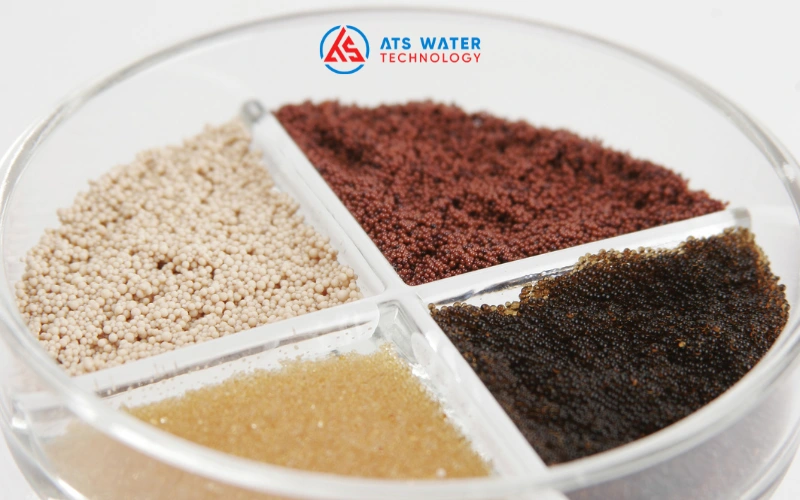
Ion exchange resin definition refers to a polymer material capable of exchanging ions in water to remove impurities
Operating principle:
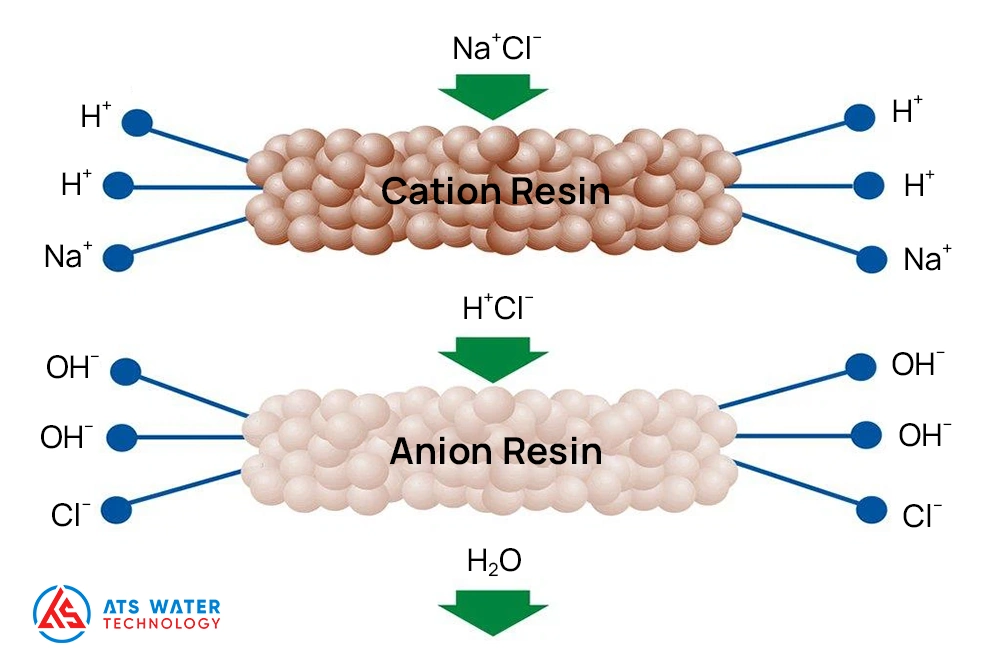
Ion exchange in water treatment involves replacing dissolved ions in water with ions electrostatically bound to fixed functional groups within the resin’s polymer matrix. These resins feature a cross-linked polymer structure with high porosity, creating a large surface area with millions of active exchange sites for efficient ion removal.
When water passes through the resin bed, the process works as follows:
- For cation exchange resin: Dissolved cations in water (such as Ca²⁺, Mg²⁺, Na⁺, etc.) are adsorbed and retained on the resin surface. At the same time, preloaded positive ions (such as H⁺ or Na⁺) bound to the resin are released into the liquid phase.
- For anion exchange resin: Dissolved anions in water (such as Cl⁻, NO₃⁻, SO₄²⁻, etc.) are adsorbed by the positively charged functional groups of the resin. Correspondingly, negative ions (such as OH⁻ or Cl⁻) originally present on the resin are displaced and enter the water stream.
Operating principle of ion exchange resins
The ion exchange process occurs due to the difference in adsorption affinity between dissolved ions in water and the ions preloaded on the functional groups of the resin. After a service cycle, when nearly all active exchange sites on the resin have been occupied by dissolved ions, the resin reaches a saturated state and loses its ability to effectively exchange ions. At this point, a regeneration process is required. The ability to regenerate and be reused multiple times with stable performance is a key advantage of ion exchange resins in water treatment applications.
2. Types of ion exchange resins
Ion exchange resins are classified based on the chemical nature of the functional groups attached to the polymer matrix and the type of ions they can exchange. This classification is essential for selecting the most suitable resin type to optimize water treatment efficiency for specific applications such as water softening (removing Ca²⁺, Mg²⁺), demineralization, nitrate removal (NO₃⁻), or heavy metal recovery and separation.
2.1. Cation exchange resins
This is the most commonly used resin type in water treatment applications, especially for water softening and heavy metal removal. These resins are capable of exchanging positive ions such as Ca²⁺, Mg²⁺, Na⁺, etc.
Cation exchange resins are divided into two main groups based on the strength of their functional groups:
- Strong Acid Cation (SAC) Resin: Contains strong acid functional groups (e.g., sulfonic group, –SO₃H). Capable of exchanging monovalent and divalent cations such as Ca²⁺, Mg²⁺, Na⁺.
- Weak Acid Cation (WAC) Resin: Contains weak acid functional groups (e.g., carboxylic group, –COOH), which operate effectively in neutral or alkaline conditions (pH > 5).
2.2. Anion exchange resins
Unlike cation resins, anion exchange resins are used to remove negative ions such as Cl⁻, SO₄²⁻, NO₃⁻ from water. These resins play an important role in demineralization processes, drinking water treatment, and ultrapure water production.
Anion exchange resins are classified into two main groups:
- Strong Base Anion (SBA) Resin: Contains strong base functional groups (e.g., quaternary ammonium groups). These resins can remove all types of anions, including weak acids such as bicarbonate (HCO₃⁻) and silicates.
- Weak Base Anion (WBA) Resin: Contains weak base functional groups (e.g., primary, secondary, or tertiary amine groups). They adsorb strong mineral acids and natural organic acids and are commonly used in wastewater treatment or as a pre-treatment step before SBA resins.
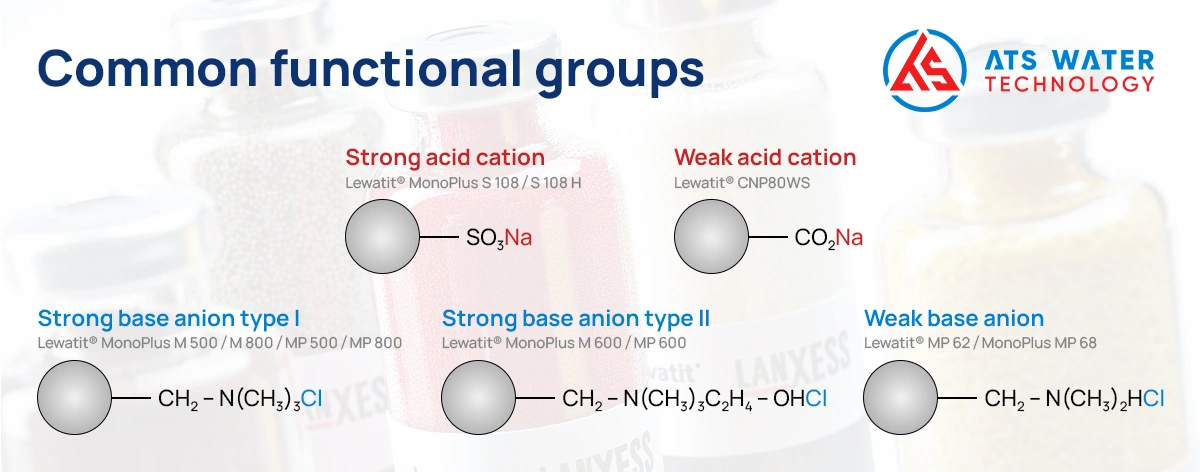
Common functional groups of different ion exchange resins
2.3. Mixed-bed ion exchange resins
Mixed-bed ion exchange resin is a mixture of strong acid cation and strong base anion resins blended in a specific ratio. This type of resin is designed to produce extremely high-purity water, commonly used in ultrapure water systems for polishing water after RO (reverse osmosis).
For systems requiring high-purity water, mixed-bed resins—combining both cation and anion exchange resins—effectively remove both cations and anions to extremely low concentrations in a single treatment step. Mixed-bed resins are typically used as the final “polishing” stage in ultrapure water systems, particularly after reverse osmosis, to remove residual ions and achieve ultra-low conductivity levels that meet the stringent requirements of electronics, pharmaceutical, and laboratory industries.
3. Applications of ion exchange resins
Thanks to their flexibility and high efficiency, ion exchange resins are widely applied across various industrial and domestic sectors. Below are some notable applications:
- Water softening: Removes Ca²⁺ and Mg²⁺ ions to prevent scale formation in piping systems, boilers, cooling towers, and other industrial equipment.
- Demineralization (Deionization – DI): Eliminates most dissolved ions (both cations and anions) from water to produce deionized water, used in the pharmaceutical, food, and microelectronics industries.
- Ultrapure water (UPW) treatment: Applied in semiconductor manufacturing and solar cell production.
- Removal of Nitrate, Arsenic, Perchlorate (ClO₄⁻): Eliminates harmful inorganic contaminants commonly found in water.
- Recovery and separation of precious and rare metals: Used in mining and metallurgy.
- Acid–Base regeneration and catalysis: In chemical industries, for ester/ether synthesis.
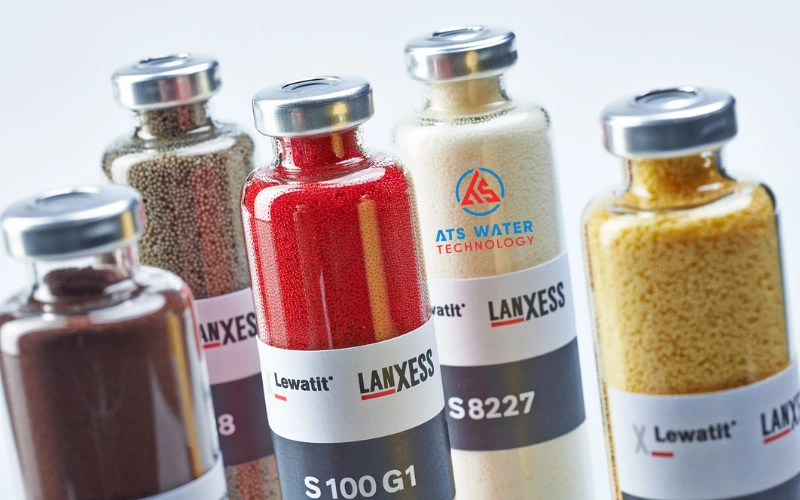
The critical uses of ion exchange resin include water softening, demineralization, ultrapure water treatment, and removal of ions such as nitrate and arsenic.
4. Introduction to Lanxess ion exchange resins
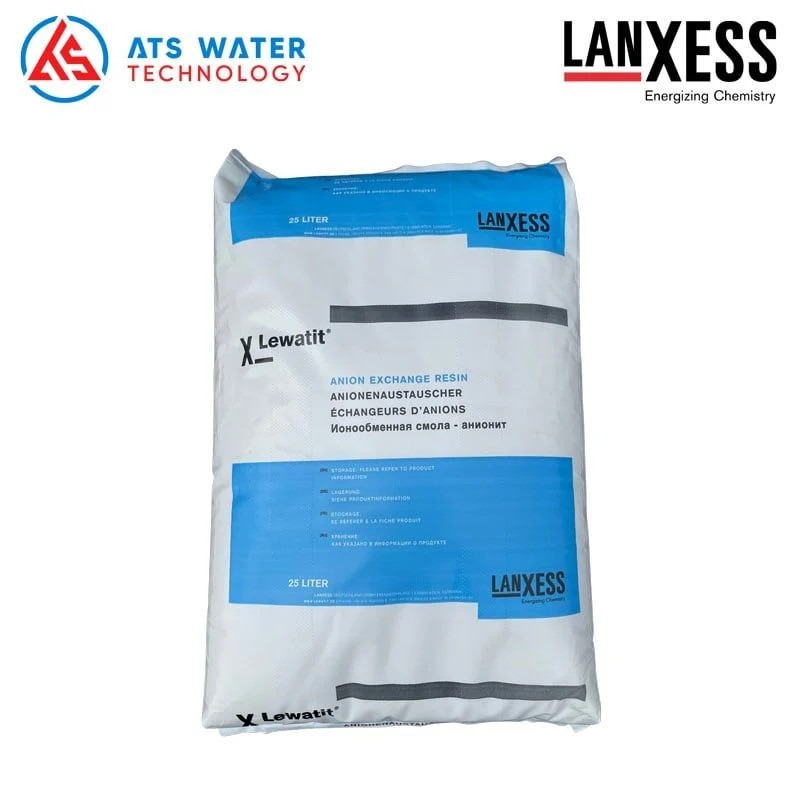
Lanxess is one of the world’s leading chemical corporations, renowned for its Lewatit® ion exchange resin product line. With a long-standing history and advanced R&D capabilities, Lanxess has built a global reputation for quality, reliability, and efficiency in industrial and ultrapure water treatment.
4.1. Lewatit® by Lanxess – A leading ion exchange resins brand
Lewatit® is a leading ion exchange resin brand under Lanxess (Germany), developed since the 1940s. Today, Lewatit® products are available in over 85 countries and are among the most widely chosen in the global water treatment industry. Lanxess operates its main production plants in Germany and India, certified to ISO 9001, ISO 14001, and ISO 50001 standards.
The Lewatit® brand is recognized for its consistent performance, long-term operational reliability, and strict compliance with safety standards for drinking water, food, and pharmaceutical applications. Lewatit® resins are widely applied from domestic systems to high-end industrial sectors such as energy, petrochemicals, microelectronics, and pharmaceutical production.
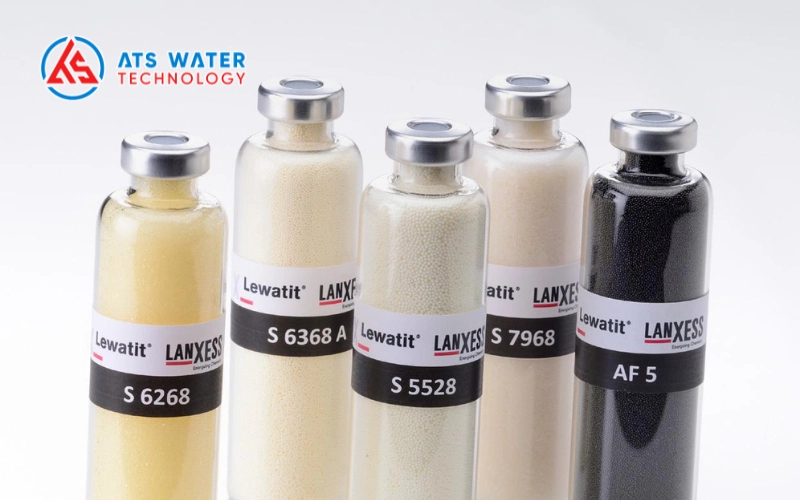
Lewatit® is a premium ion exchange resin line developed and manufactured by Lanxess (Germany), trusted worldwide.
4.2. Advantages of Lanxess ion exchange resins
Lewatit® ion exchange resins from Lanxess stand out not only for their broad product range but also for their outstanding technical advantages, delivering optimal performance and high reliability in water treatment applications:
- High exchange capacity: Thanks to high density and stable functional groups, Lewatit® resins achieve excellent ion exchange capacity, optimizing ion removal or recovery during treatment and improving overall efficiency.
- Superior mechanical strength: Manufactured with a robust polymer structure, Lewatit® resins provide excellent mechanical stability. This property ensures resistance to attrition and breakage during long-term operation, even under high flow pressure and frequent regeneration, extending the material’s service life.
- Versatile structure (gel and macroporous): Allows flexible selection of suitable materials for specific applications.
- MonoPlus® Technology (uniform particle size): This technology produces monodisperse resin beads, delivering technical benefits such as improved flow distribution, reduced pressure drop, and enhanced ion exchange efficiency.
- Stable and efficient regeneration: Lewatit® resins are designed to maintain high and consistent regeneration performance through multiple operational cycles. This means the resin can effectively restore exchange capacity after saturation, reducing operating costs (OPEX) and extending system lifespan.
- International safety certifications: Including NSF/ANSI 61 (drinking water), EU Food Grade, Halal, and Kosher, ensuring safety for applications with strict water quality requirements.
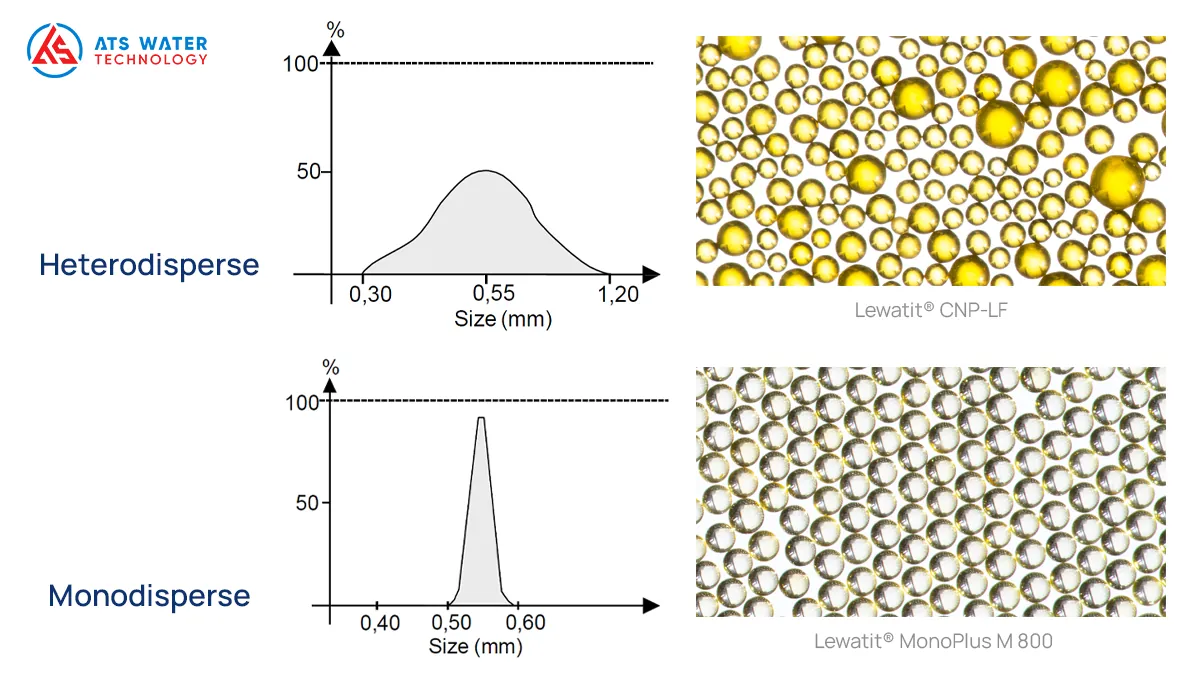
Lanxess resins feature MonoPlus® technology with uniform particle size, improving ion exchange performance, reducing pressure loss, and enhancing flow distribution.
5. Lanxess ion exchange resins pricing
The price of Lanxess ion exchange resins for water softening & purification depends on the resin type, capacity, technical specifications, order quantity, and delivery conditions. However, thanks to high operational efficiency, multiple regeneration cycles, and long service life, the total cost of ownership (TCO) of Lewatit® resins is often significantly lower than alternative options.
To receive an accurate quotation and select the most suitable resin type, please contact ATS Water Technology – the authorized distributor of Lanxess (Germany) in Vietnam.
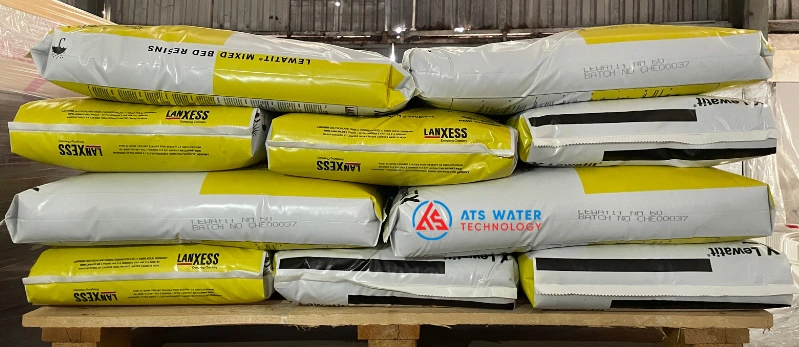
Contact us for professional consultation and Lanxess ion exchange resin pricing
6. ATS Water Technology – Authorized distributor of Lanxess ion exchange resins in Vietnam
ATS Water Technology Co., Ltd. is the official partner of Lanxess in Vietnam, specializing in supplying Lewatit® ion exchange resins for domestic, industrial, food & beverage, and ultrapure water treatment projects.
We offer:
- System design consultation: Our experienced engineering team supports volume calculation, resin selection, and system configuration tailored to your application and budget.
- Genuine products: We guarantee 100% original Lewatit® resins, with full CO, CQ, and international certifications.
- Comprehensive technical support: Assistance in installation, operation, regeneration, and periodic maintenance of ion exchange systems.
- Integrated technology solutions: Incorporating LewaPlus® software for system design and calculation, ensuring optimal performance and cost efficiency.
- Large inventory & fast delivery: Nationwide distribution from our HCMC warehouse, ensuring timely supply for both large and small projects.
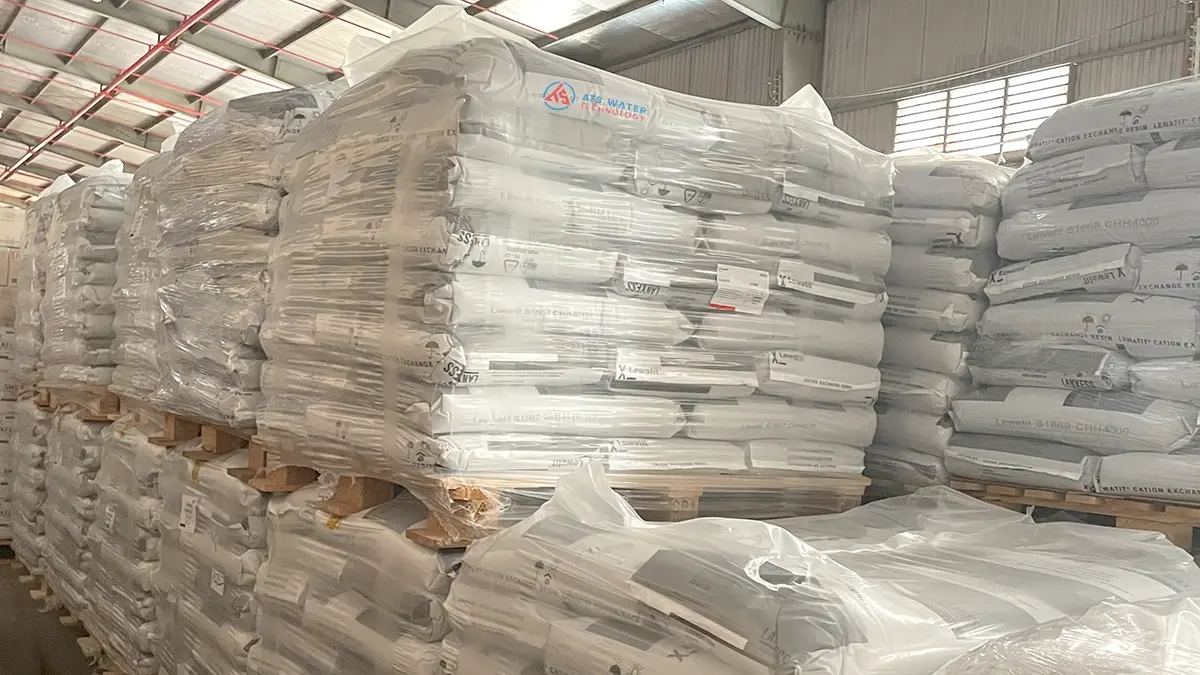
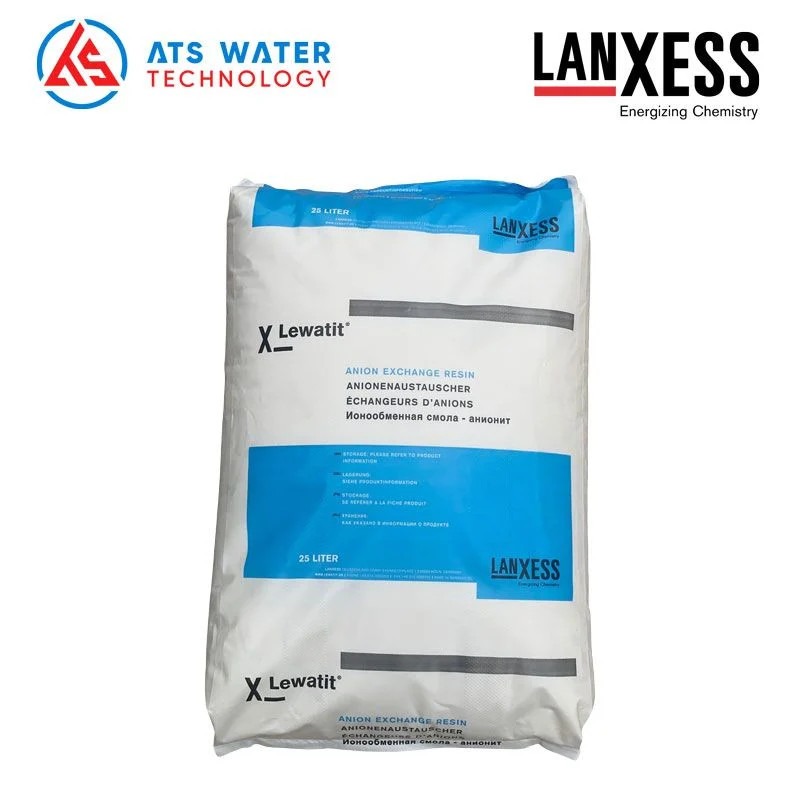
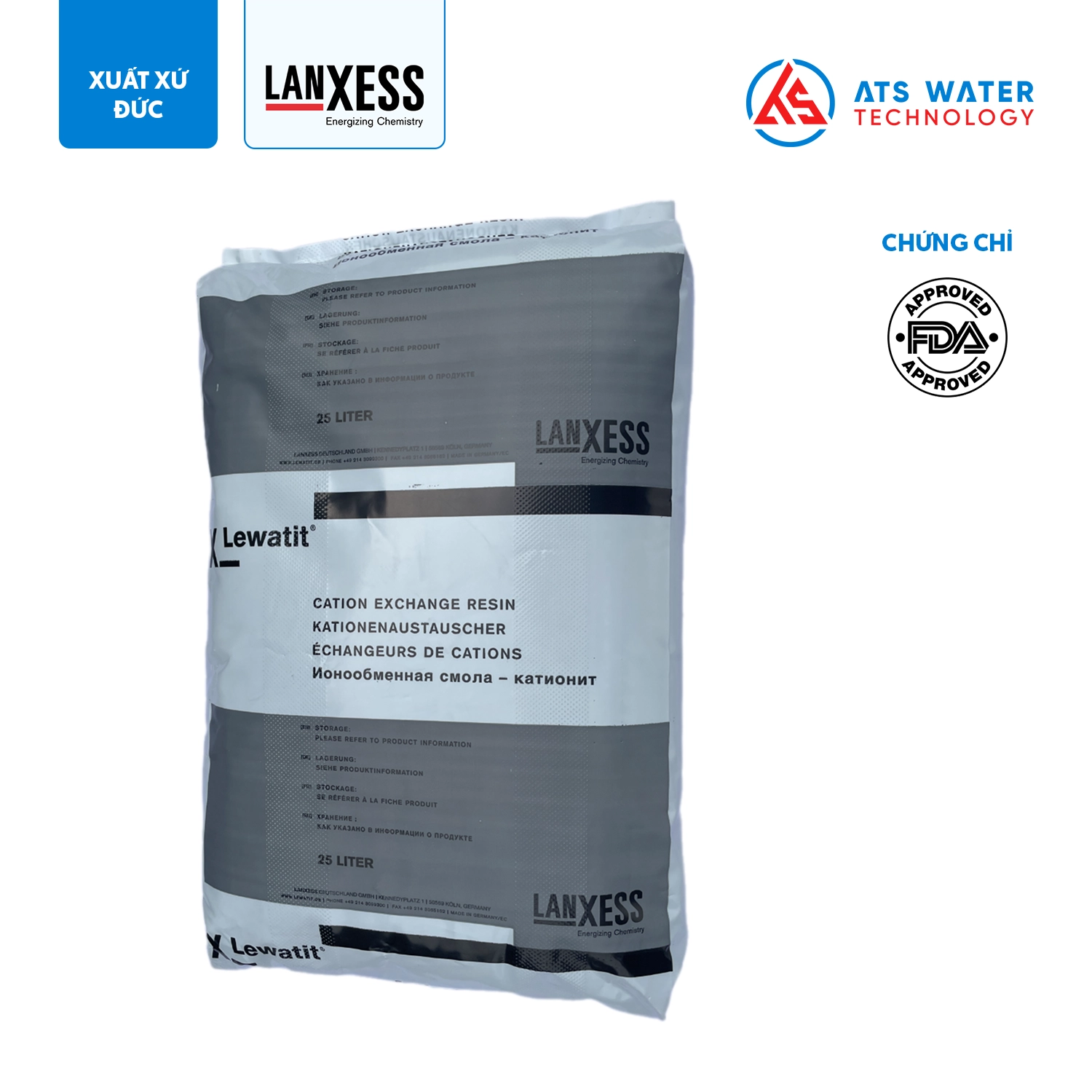
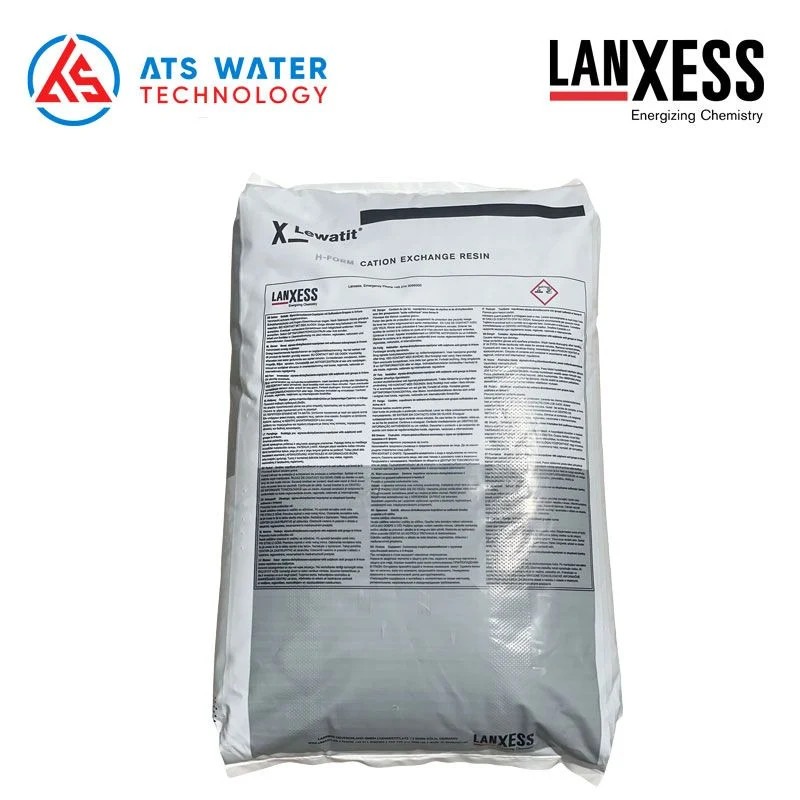
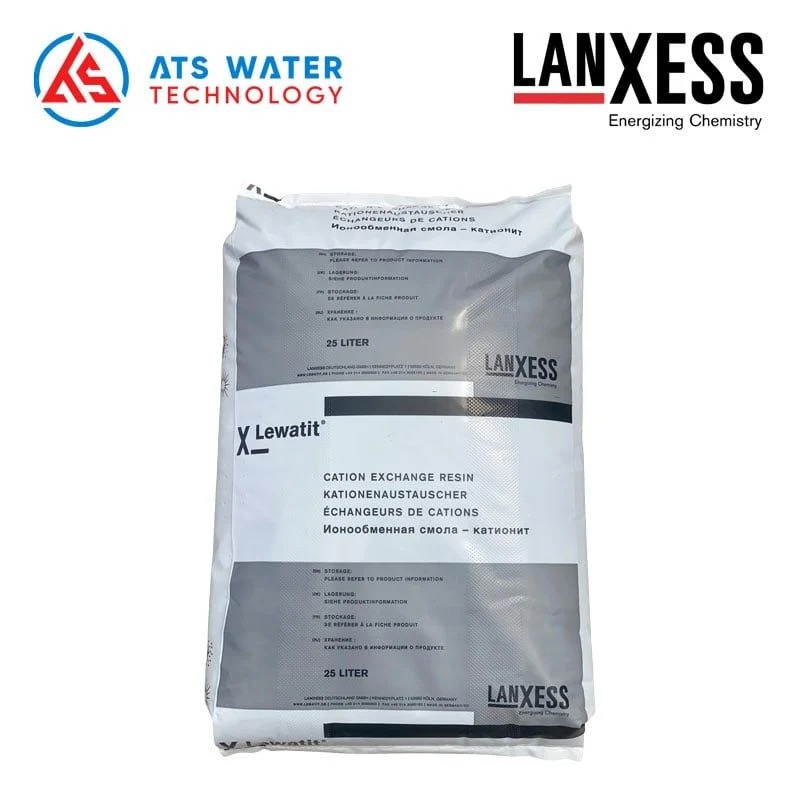
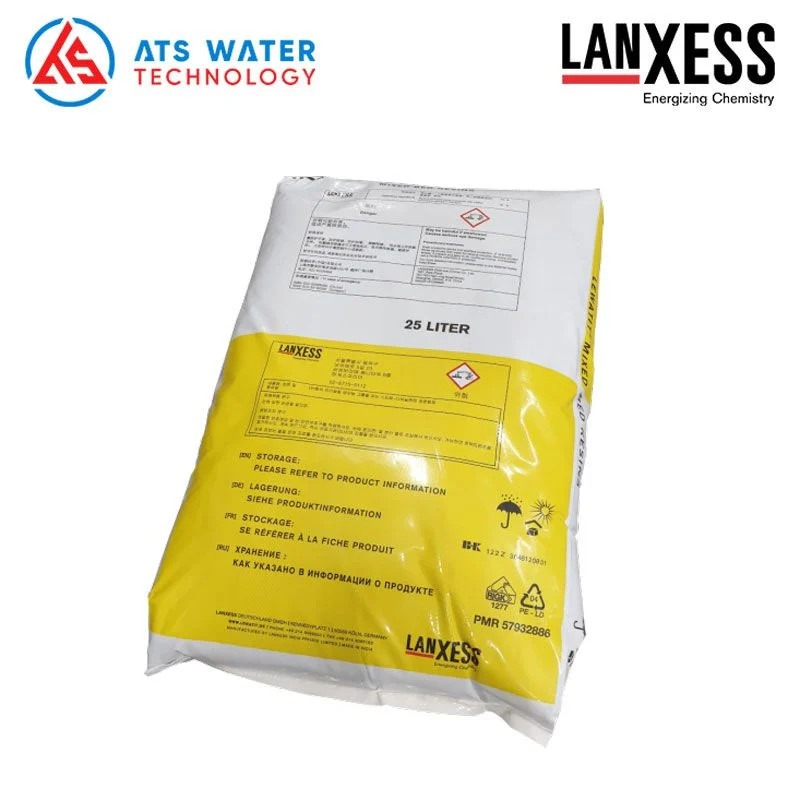
Lanxess ion exchange resins available at ATS Water Technology warehouse
7. Frequently asked questions (FAQ) about ion exchange resins
What types of ion exchange resins are available?
The main types include: Cation exchange resins, Anion exchange resins, and Mixed-bed resins.
What are the common applications of ion exchange resins?
They are used for water softening, demineralization, nitrate and arsenic removal, and ultrapure water treatment.
How often should ion exchange resin beads be regenerated?
It depends on raw water quality and system design. After receiving customer information, we will run a simulation program to determine the required resin volume and regeneration cycle according to your operational needs.
Can Lewatit® ion exchange resins be used for drinking water?
Yes. Lewatit® resins are certified to NSF/ANSI 61, allowing their use in drinking water and food processing applications.
Ion exchange resins play a critical role in water treatment, from domestic to industrial applications. Lewatit® resins from Lanxess deliver efficient ion exchange, high durability, and easy regeneration, helping improve system performance and reduce operating costs. For detailed consultation on this product line, contact ATS Water Technology today.