

 Solution
  Technology
  Application





Water plays a critical role in several core processes within the electroplating industry, including surface cleaning, substrate preparation, electrolyte formulation, and post-plating rinsing. As part of an effective electroplating process water treatment strategy, maintaining ultra pure water standards is essential, since water quality directly impacts the finish, adhesion, and durability of electroplated products. In this article, ATS Water Technology outlines the key requirements and treatment processes needed to produce high-quality feedwater tailored for electroplating operations.
1. The role of water treatment in electroplating manufacture
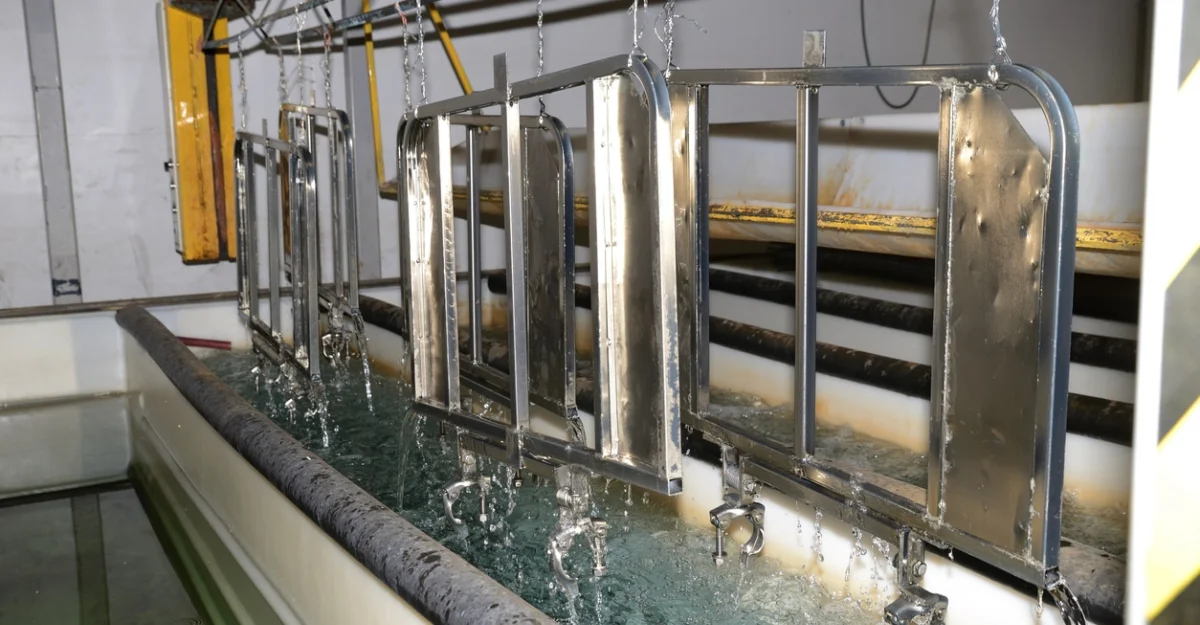
Feed water used in electroplating performs several key functions:
- Electrolyte solution preparation: Water is used to dissolve metal salts and other chemicals needed to create the electrolyte solution.
- Pre-plating cleaning: Clean water removes oils, dust, and other surface impurities to improve coating adhesion.
- Post-plating rinsing: Water rinses away residual electrolytes, preventing contamination in subsequent steps.
Implementing a reliable water treatment system is essential to maintain product quality and comply with environmental regulations.
2. Feed water requirements in electroplating
To perform these roles effectively, feed water for electroplating must meet strict quality criteria:
- High purity: Deionized water (DI) with minimal ionic and microbial contaminants helps prevent plating defects.
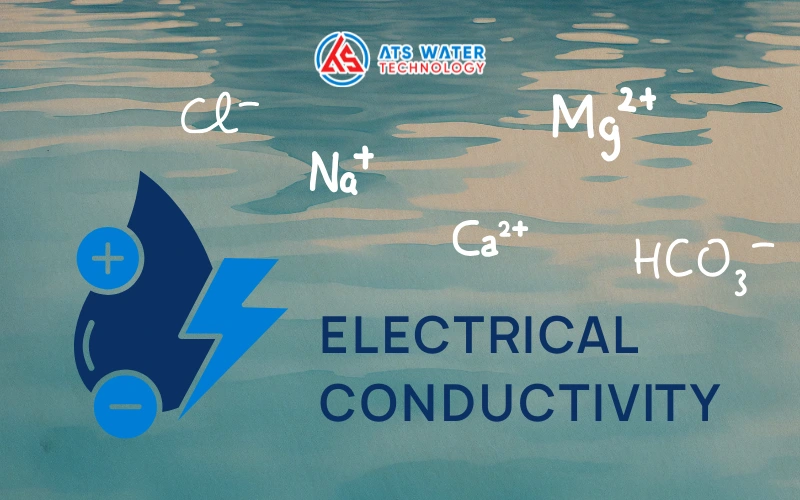
- Low conductivity: Reduced electrical conductivity avoids interference with electrochemical reactions.
- Consistent quality: Stable water parameters ensure uniform plating results across batches.
3. Advanced water treatment technologies for electroplating
To meet stringent water quality requirements, electroplating facilities often employ multi-stage treatment systems incorporating the following technologies:
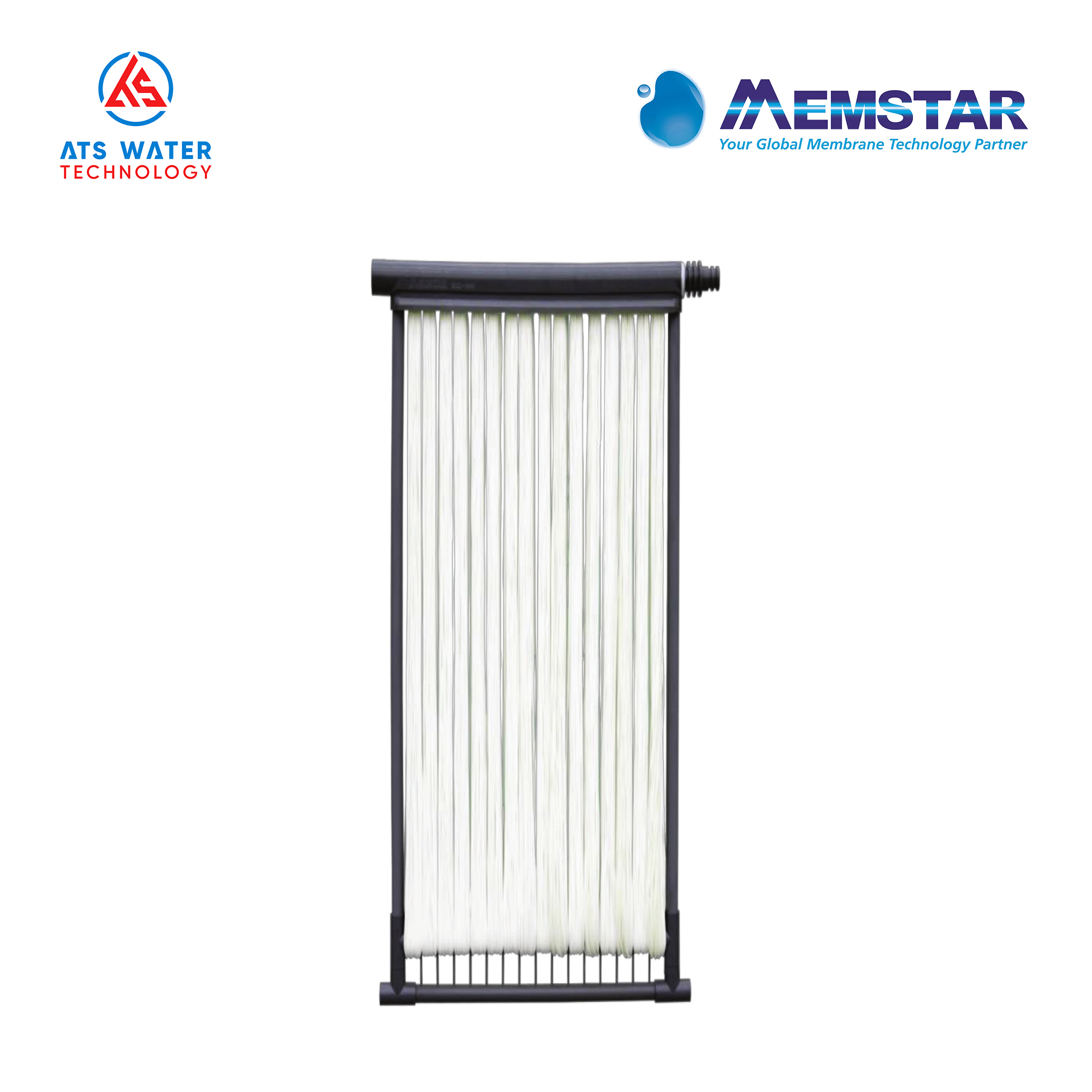
- Mechanical filtration: Sand filters, bag filters, or ultrafiltration (UF) membranes remove suspended solids.
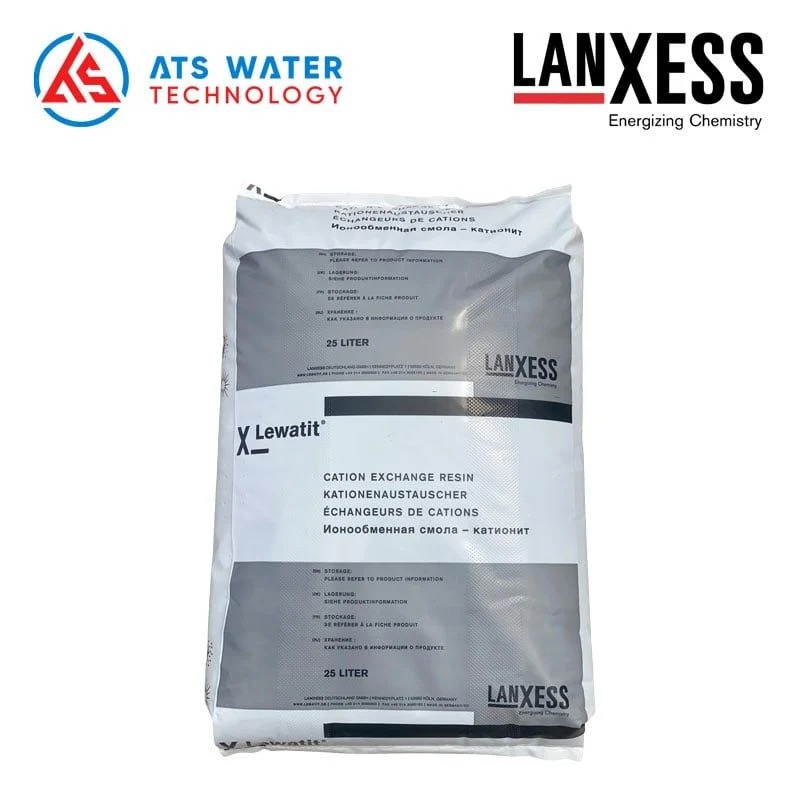
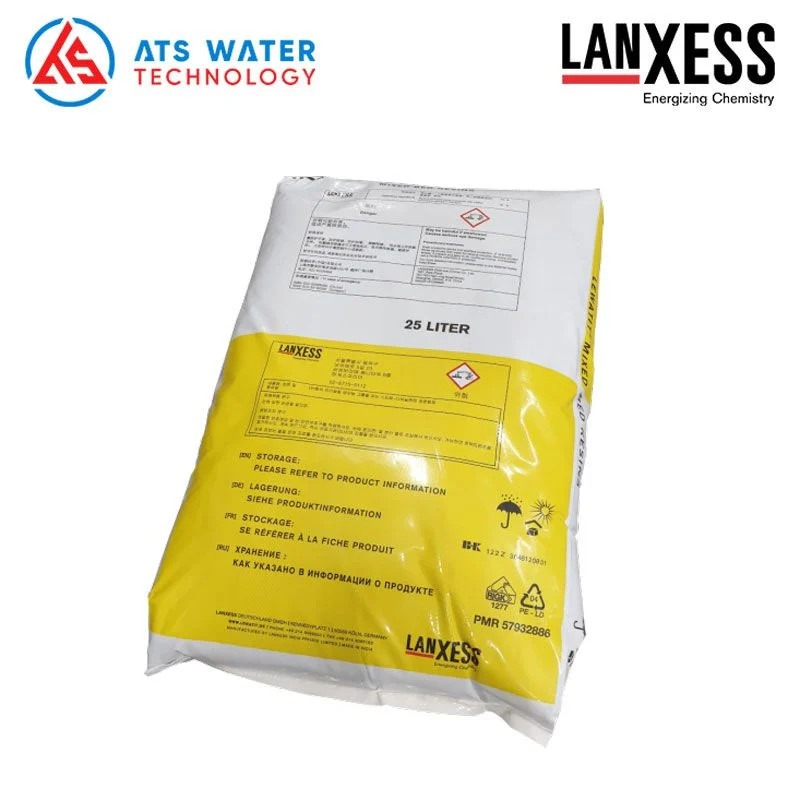
- Ion exchange: Ion exchange resin columns eliminate dissolved metal and inorganic ions.
- Ozonation: Ozone oxidizes organics and disinfects the water, removing microorganisms and organic compounds.
- Reverse osmosis (RO): RO membranes remove most dissolved salts and contaminants to produce high-purity water.
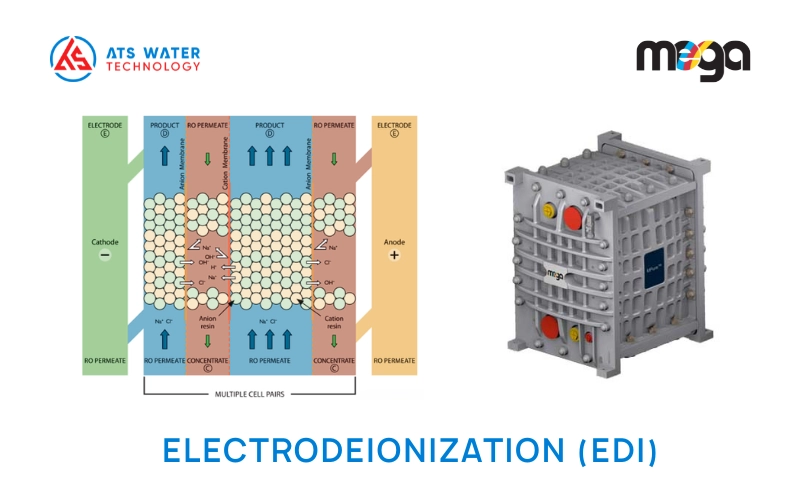
- Electrodeionization (EDI): EDI systems use electric fields, ion exchange membranes, and resins to remove residual ions without chemical regeneration continuously.
These technologies are often integrated and monitored to ensure consistent, high-performance water treatment.
4. Electroplating feedwater treatment process
Recognizing the stringent water quality demands in electroplating, ATS Water Technology offers a customized, two-stage water purification solution designed for this industry:
4.1. Pretreatment stage
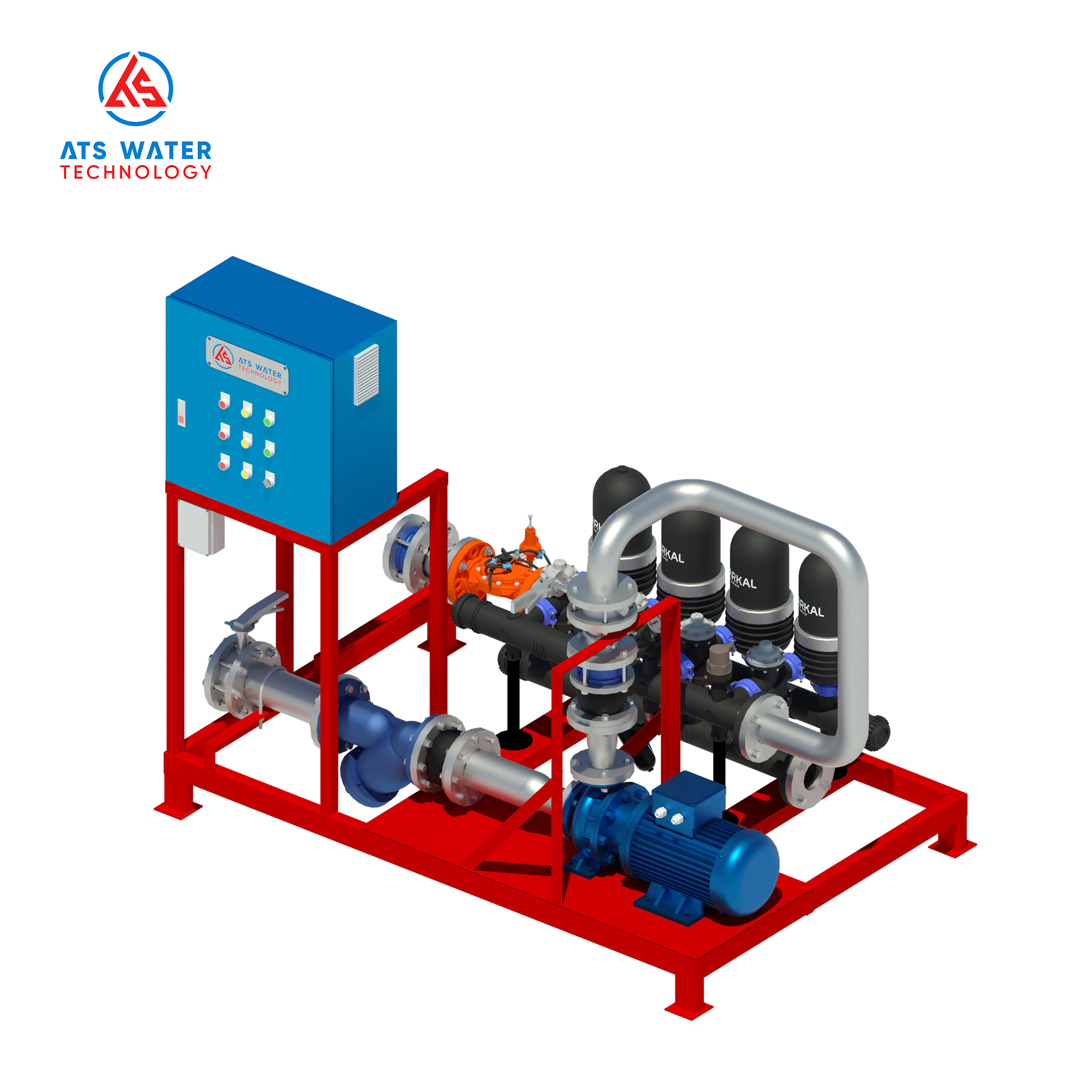
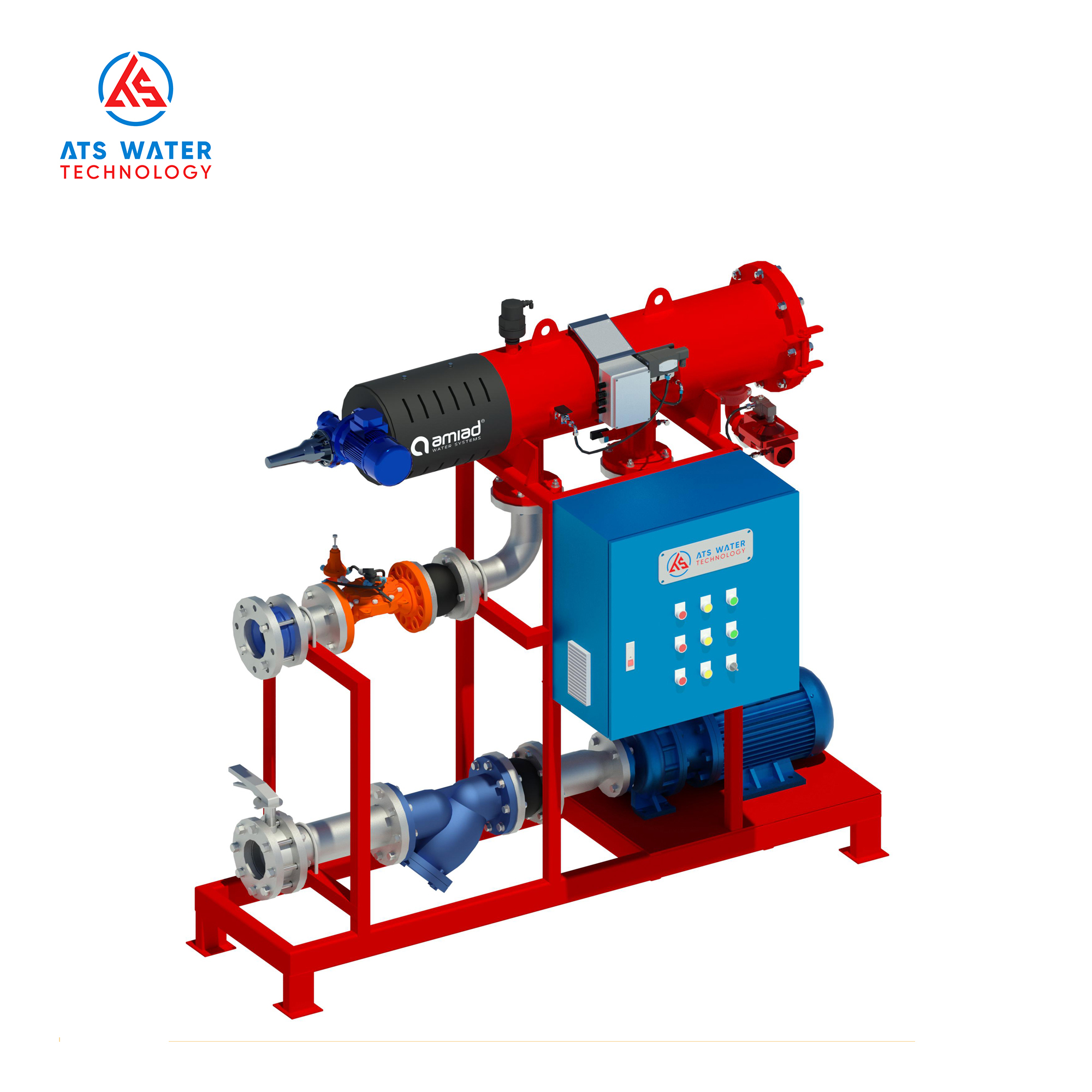
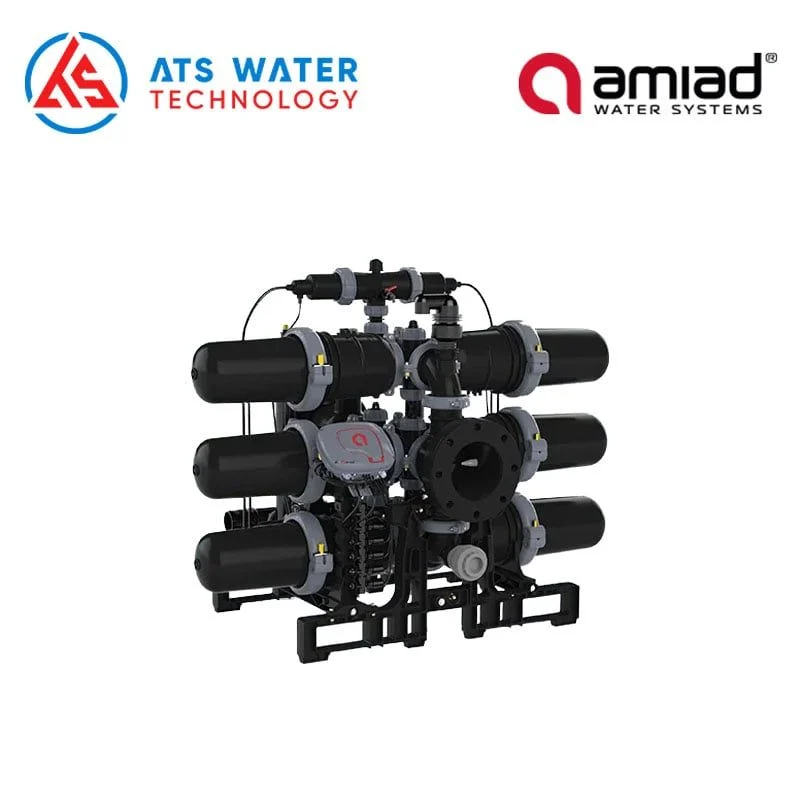
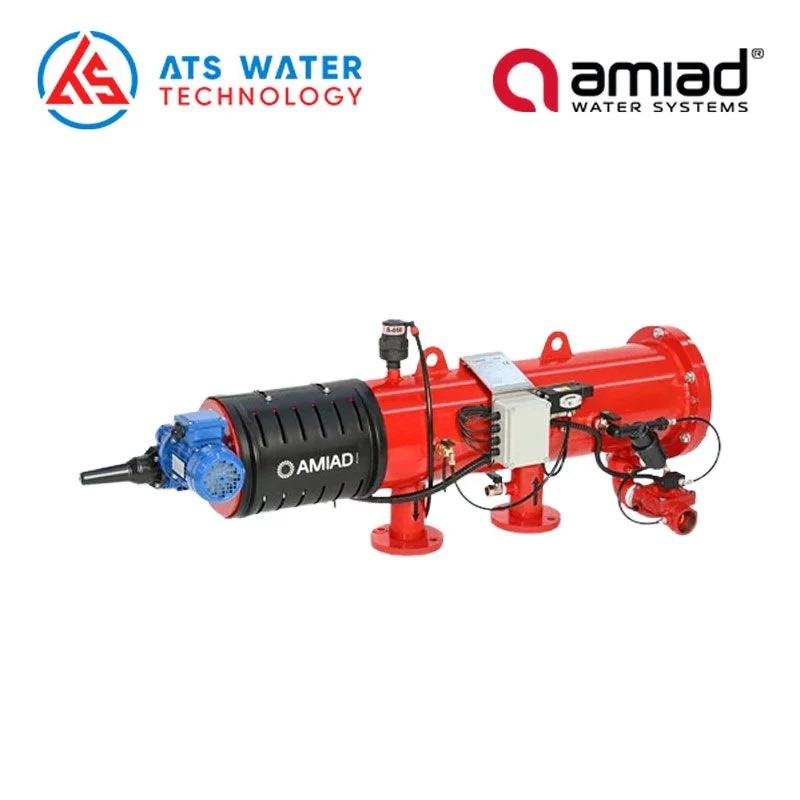
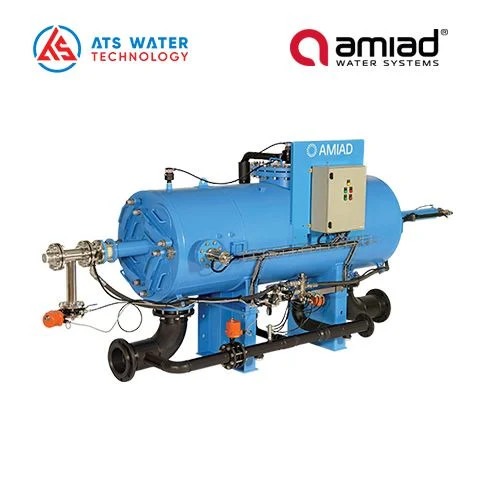
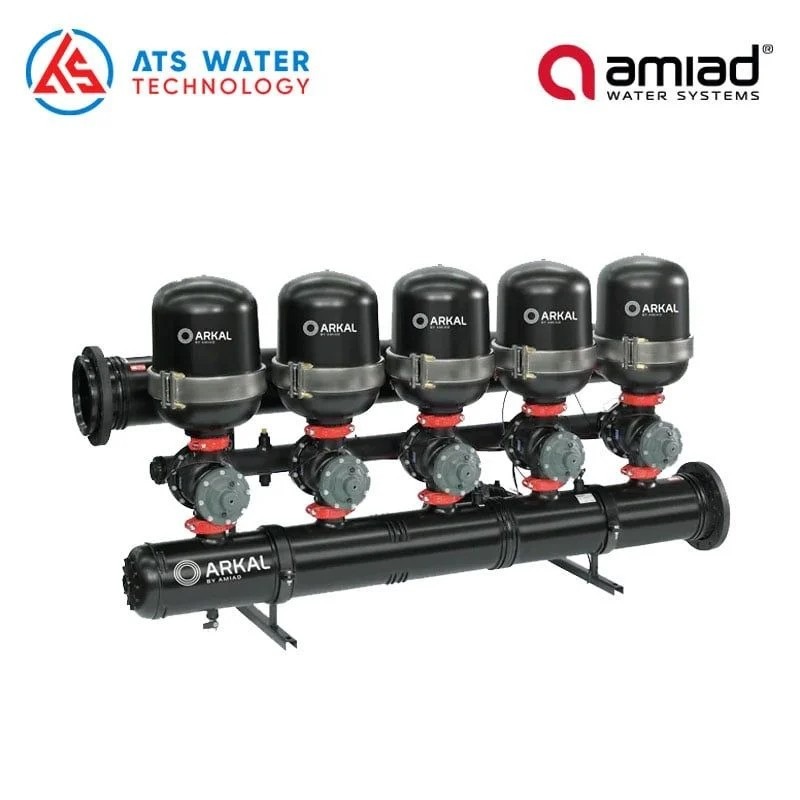
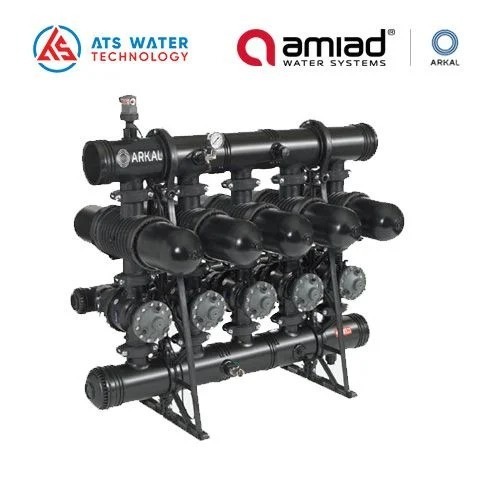
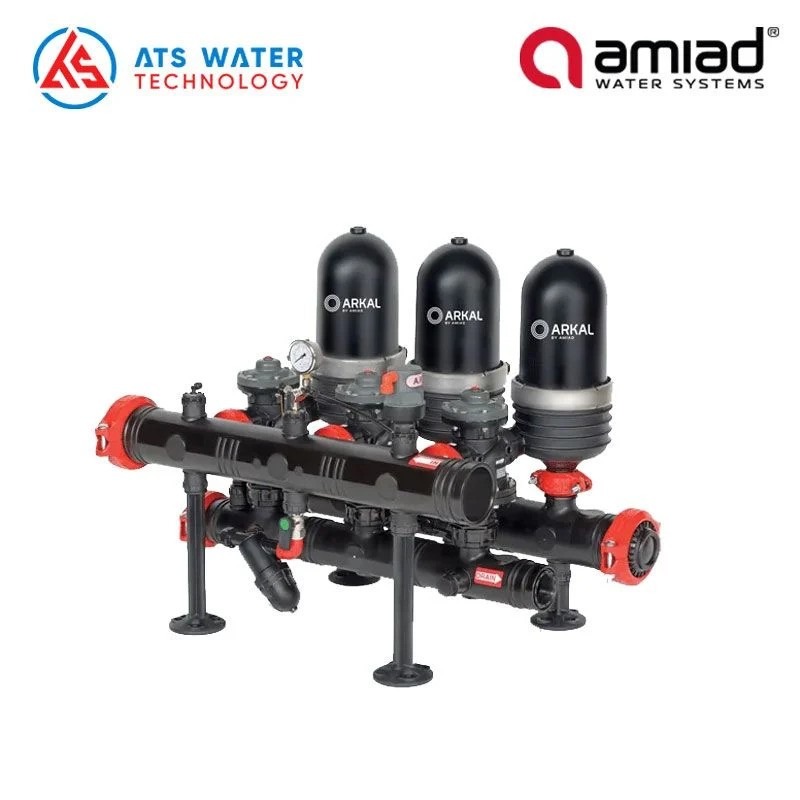
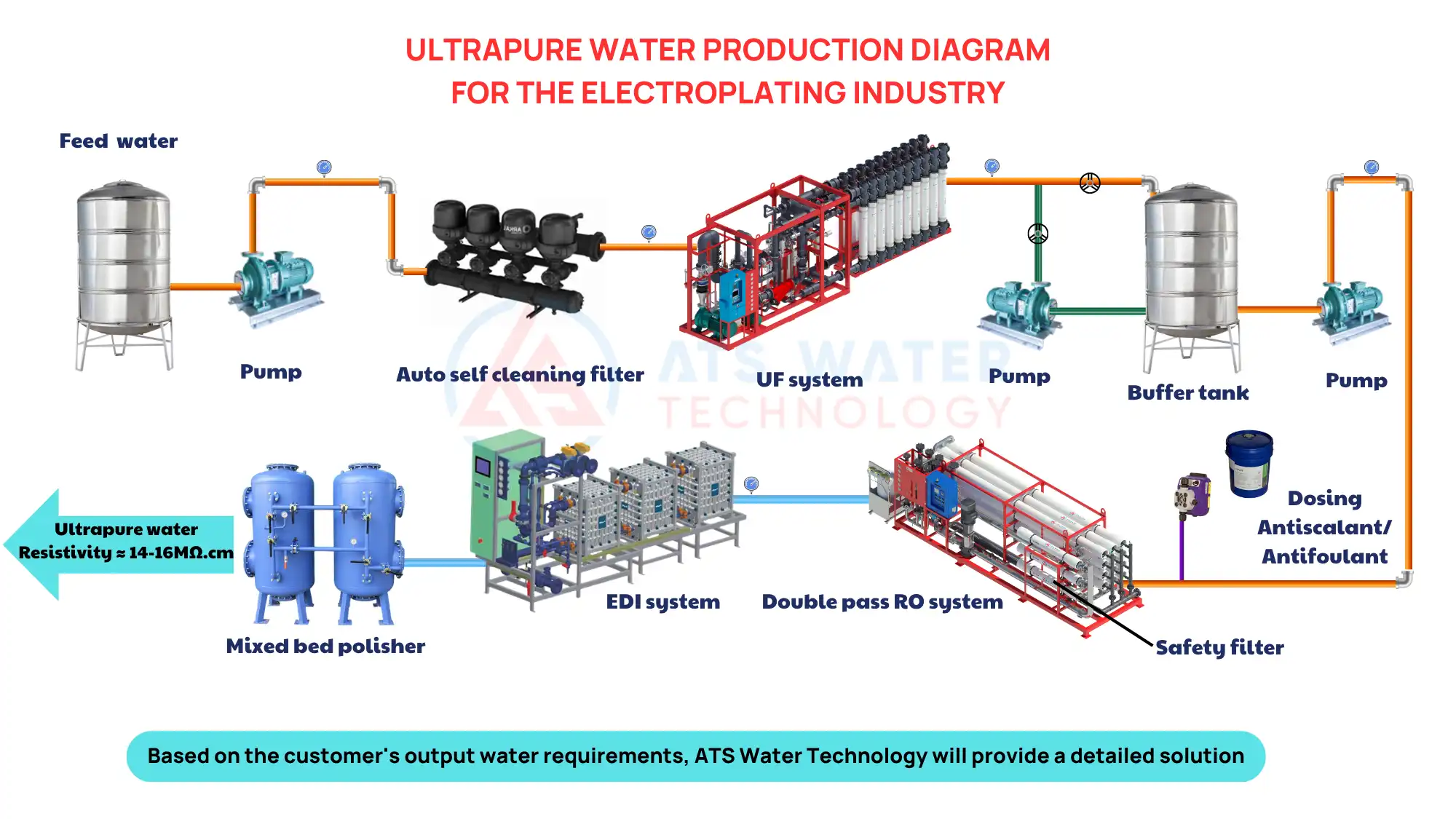
Amiad auto self-cleaning filter: Raw water is pumped through an Amiad self-cleaning filter (200 – 300 µm) to remove suspended solids and protect the downstream ultrafiltration (UF) system.
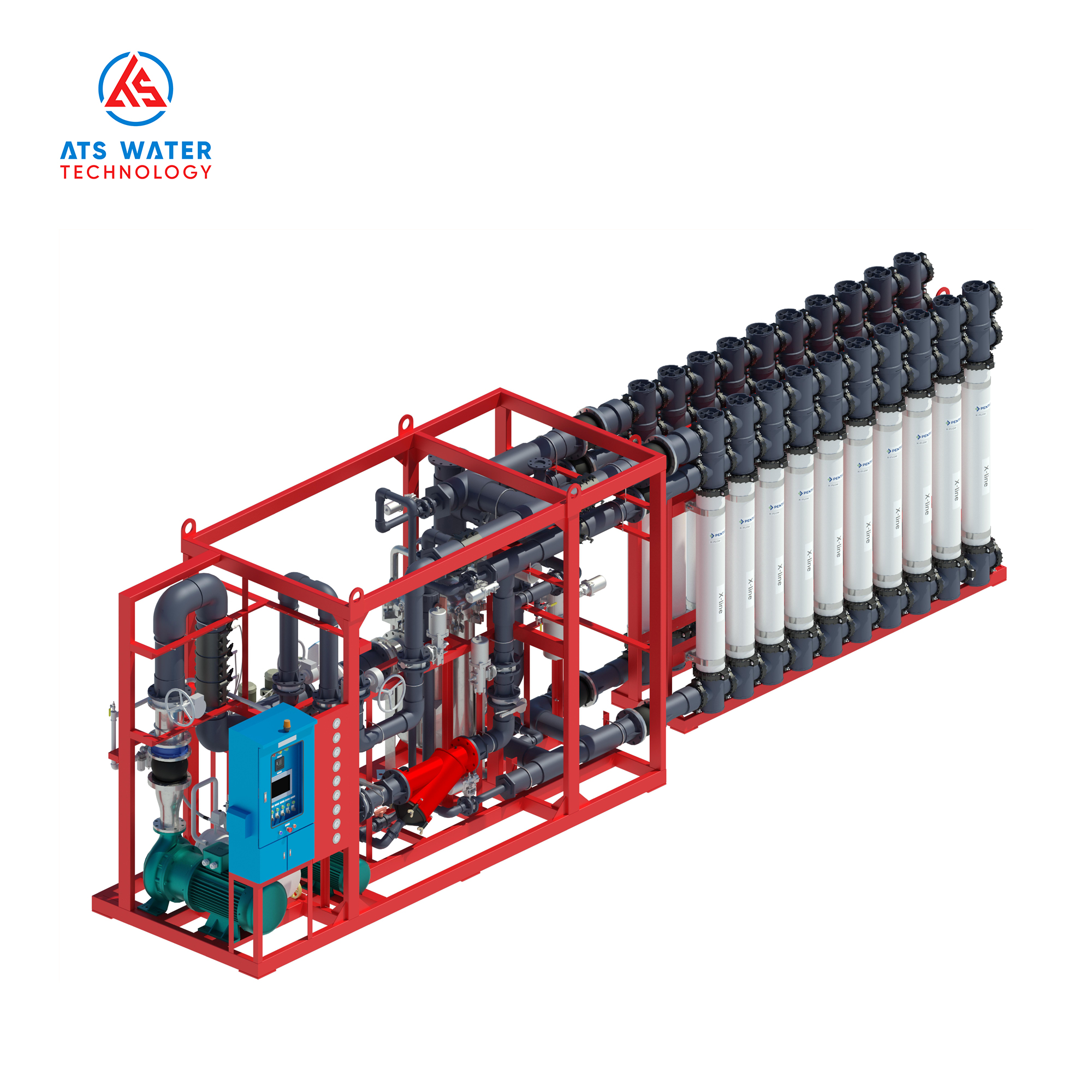
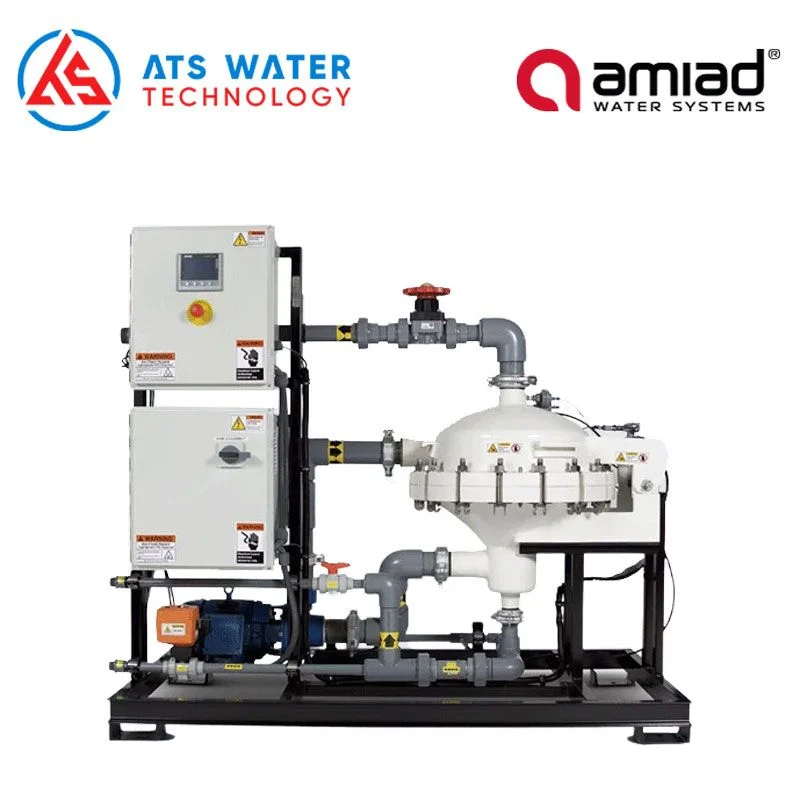
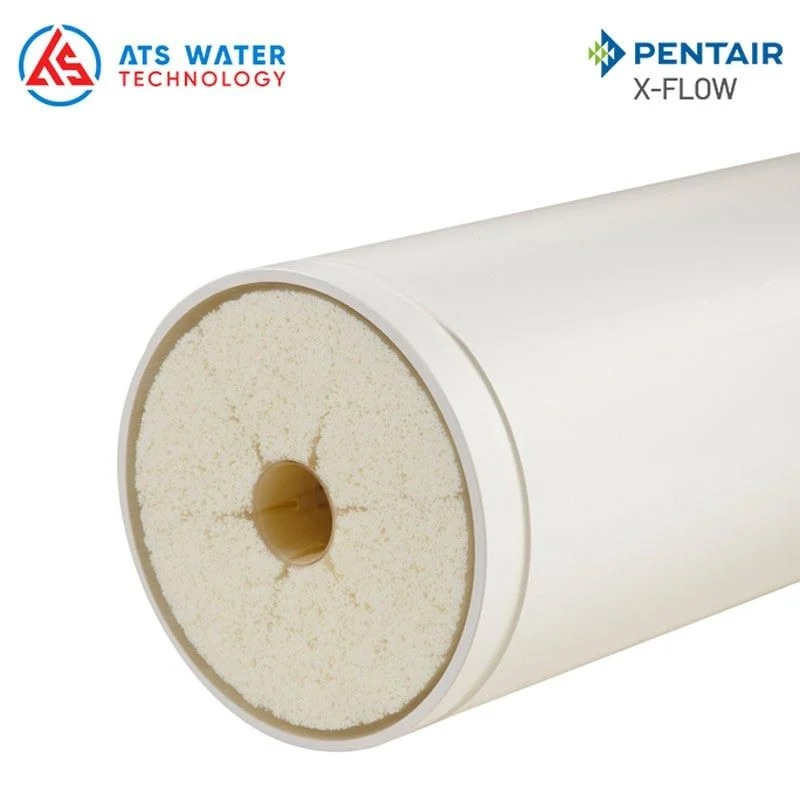
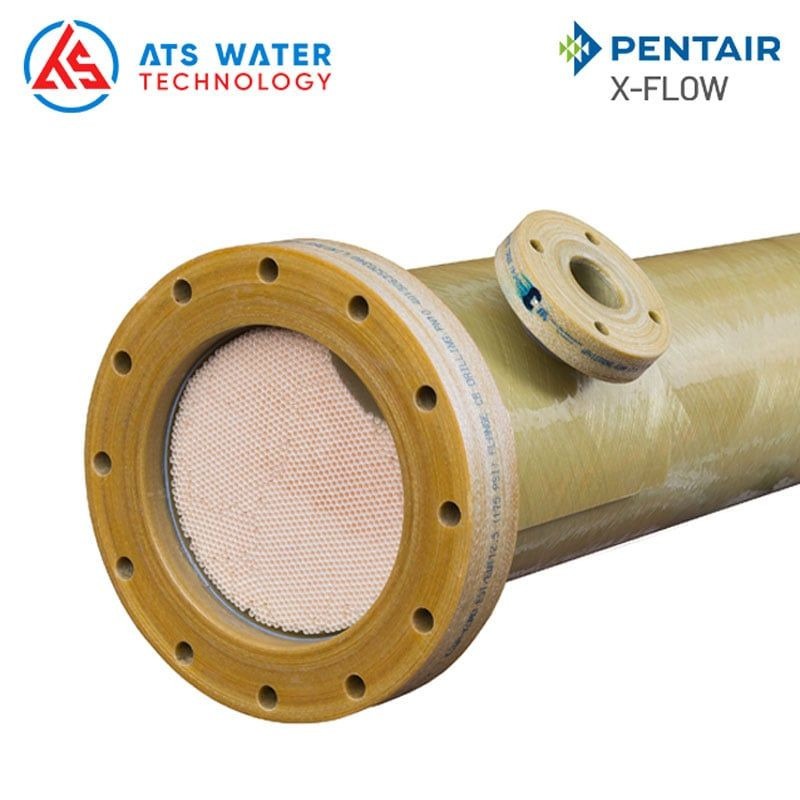
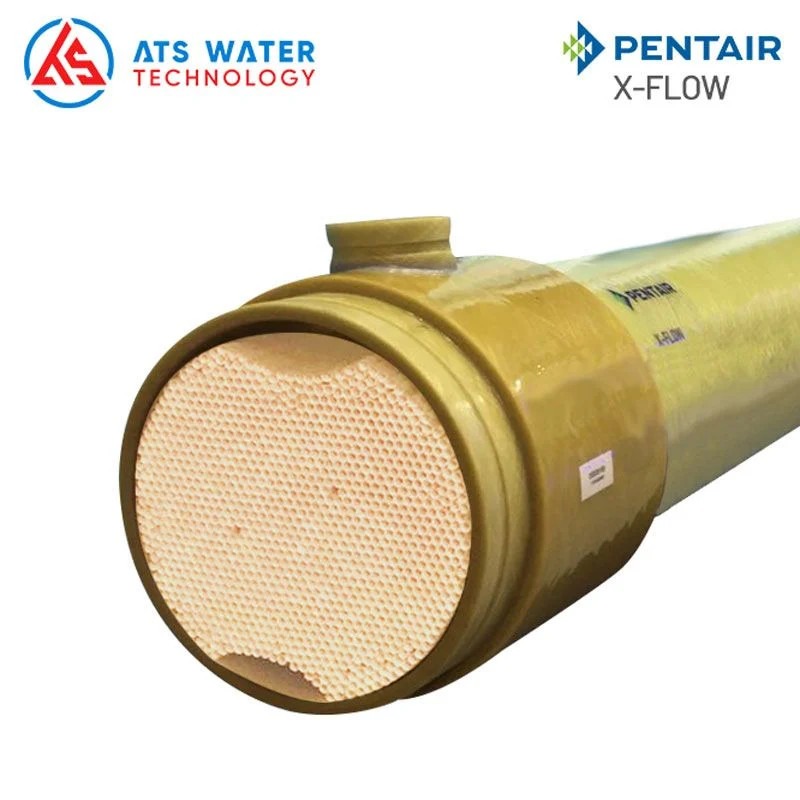
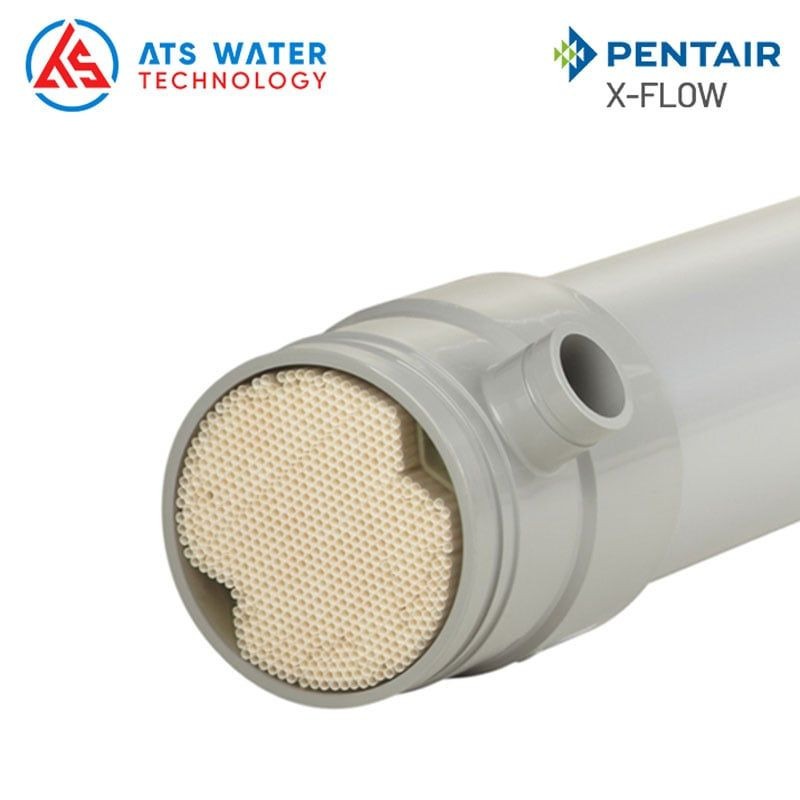
UF System with X-Flow Membranes (Pentair): After filtration using a disc or screen filter, water enters the UF system. The Pentair X-Flow membranes, with 0.02 µm pores and an inside-out filtration design, effectively remove colloids, emulsified oils, and particles smaller than bacteria.
After UF, treated water is stored in a buffer tank. A portion is used to supply the RO system, while another supports automatic backwashing. The UF system typically operates in filtration mode for 20 – 120 minutes, followed by a 1–2 minute backwash cycle.
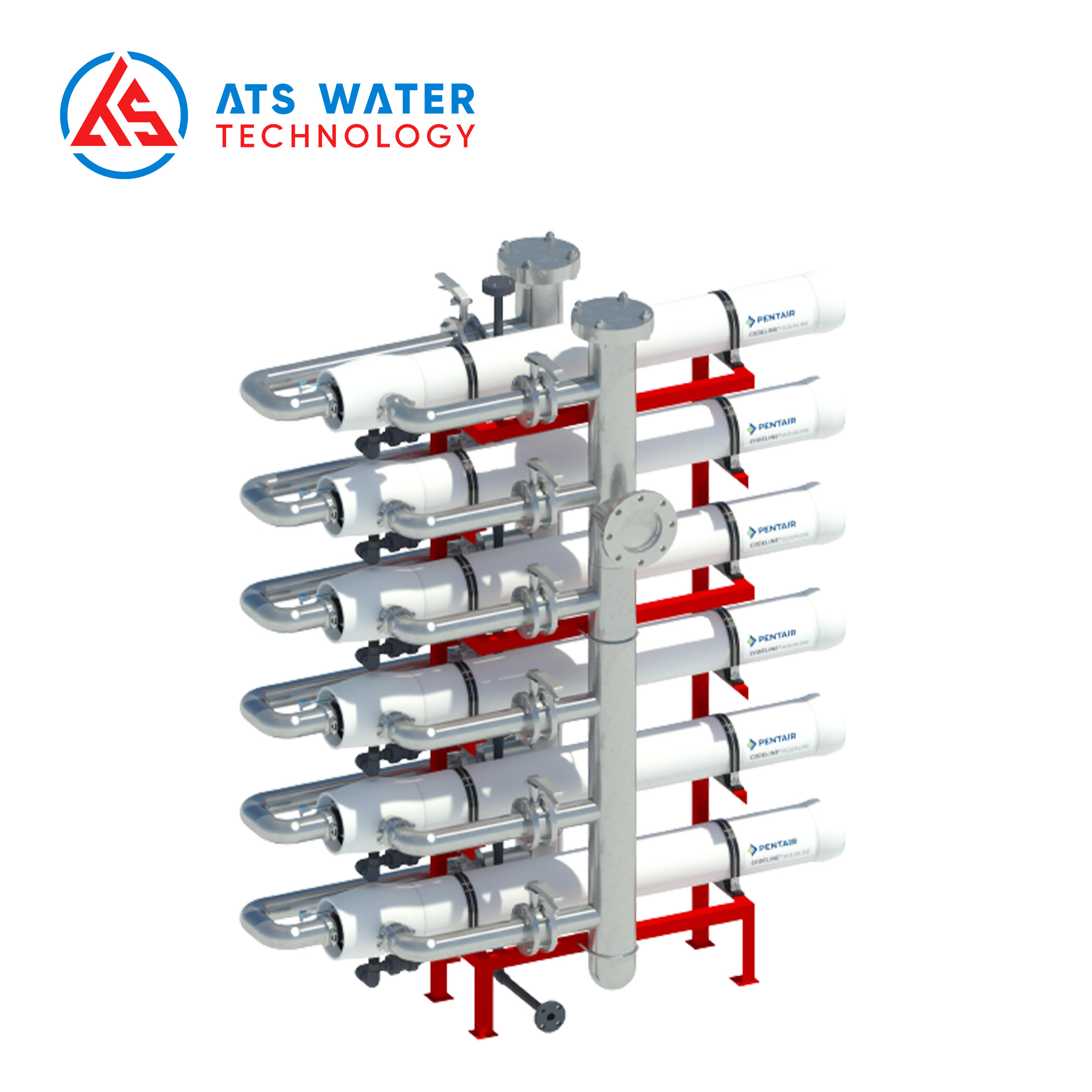
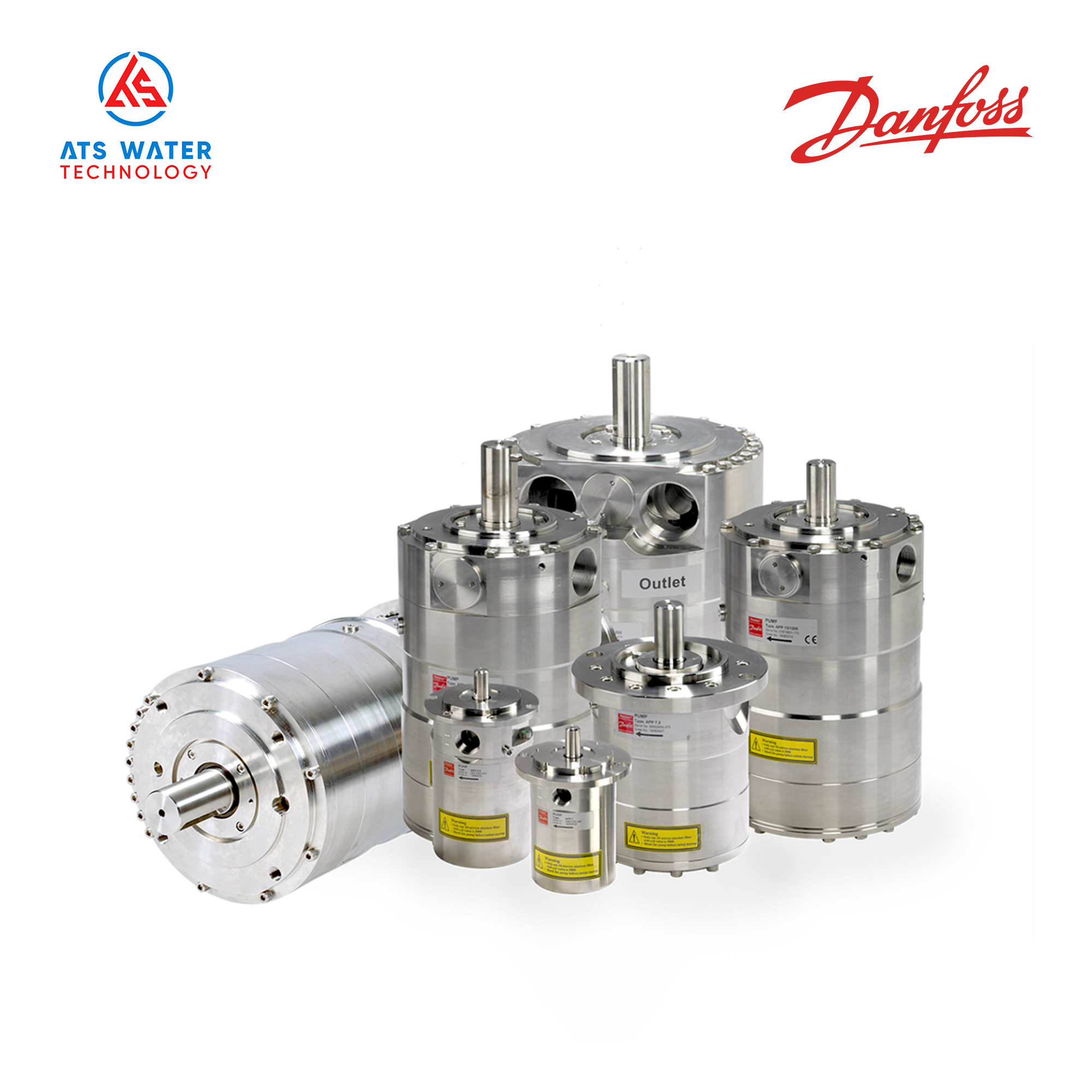
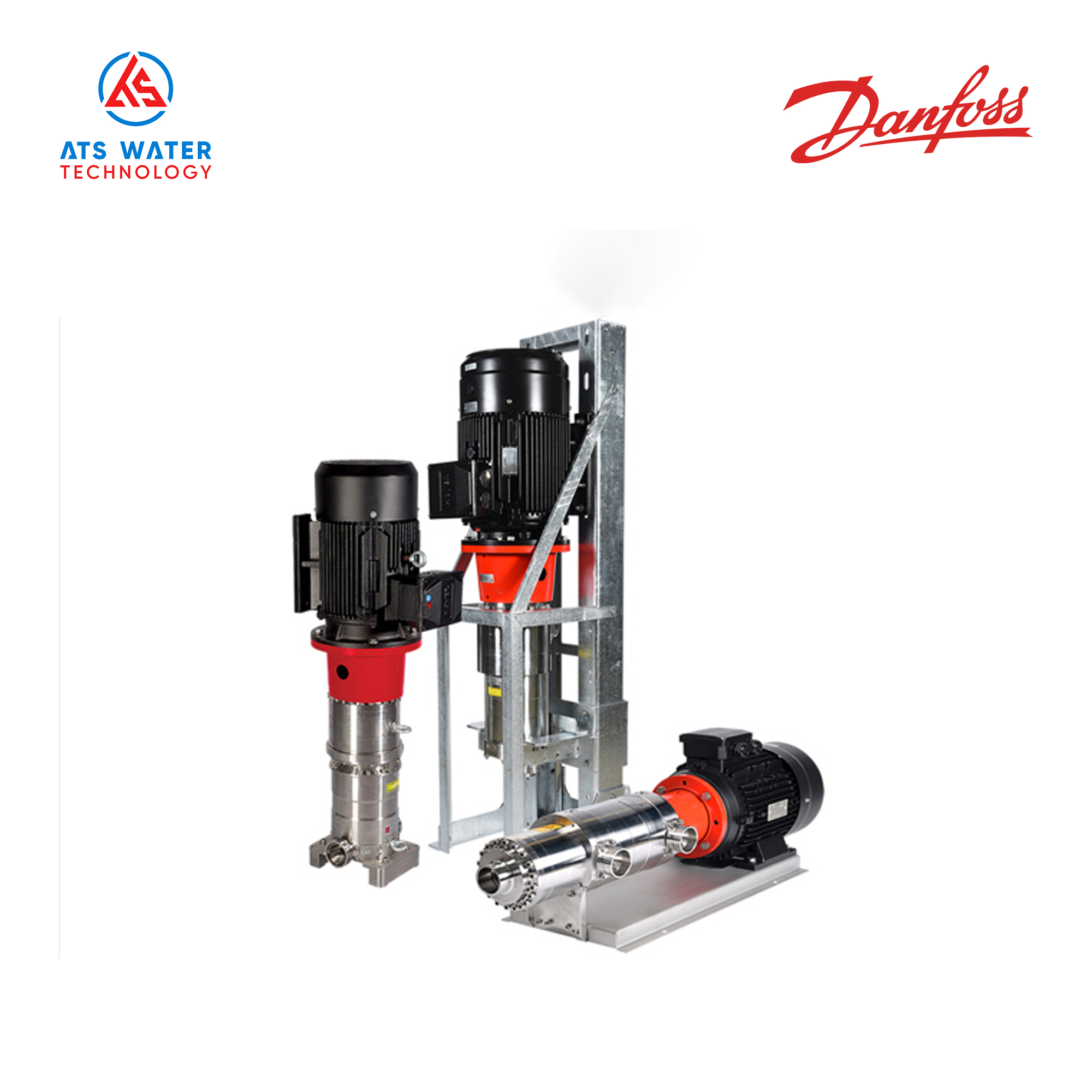
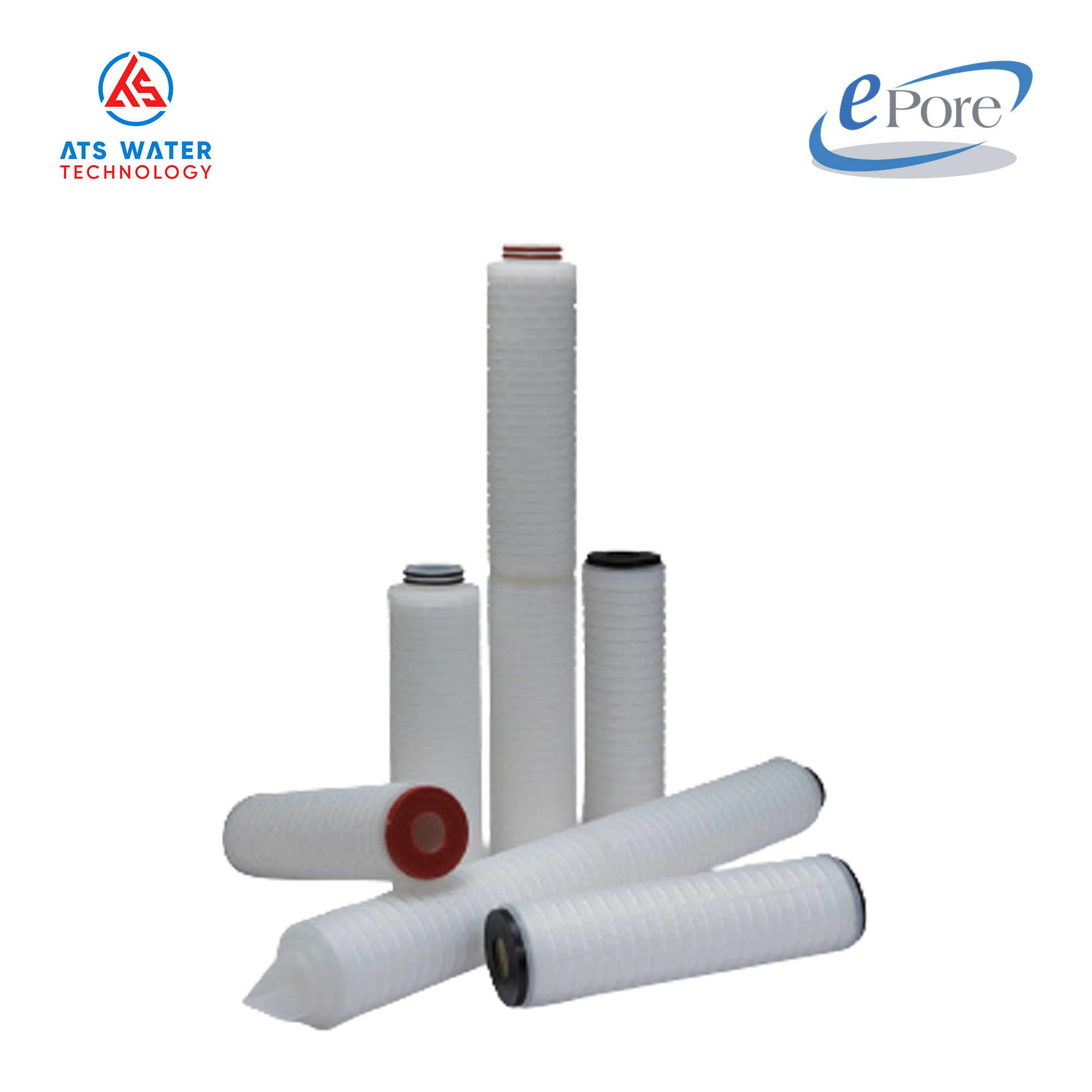
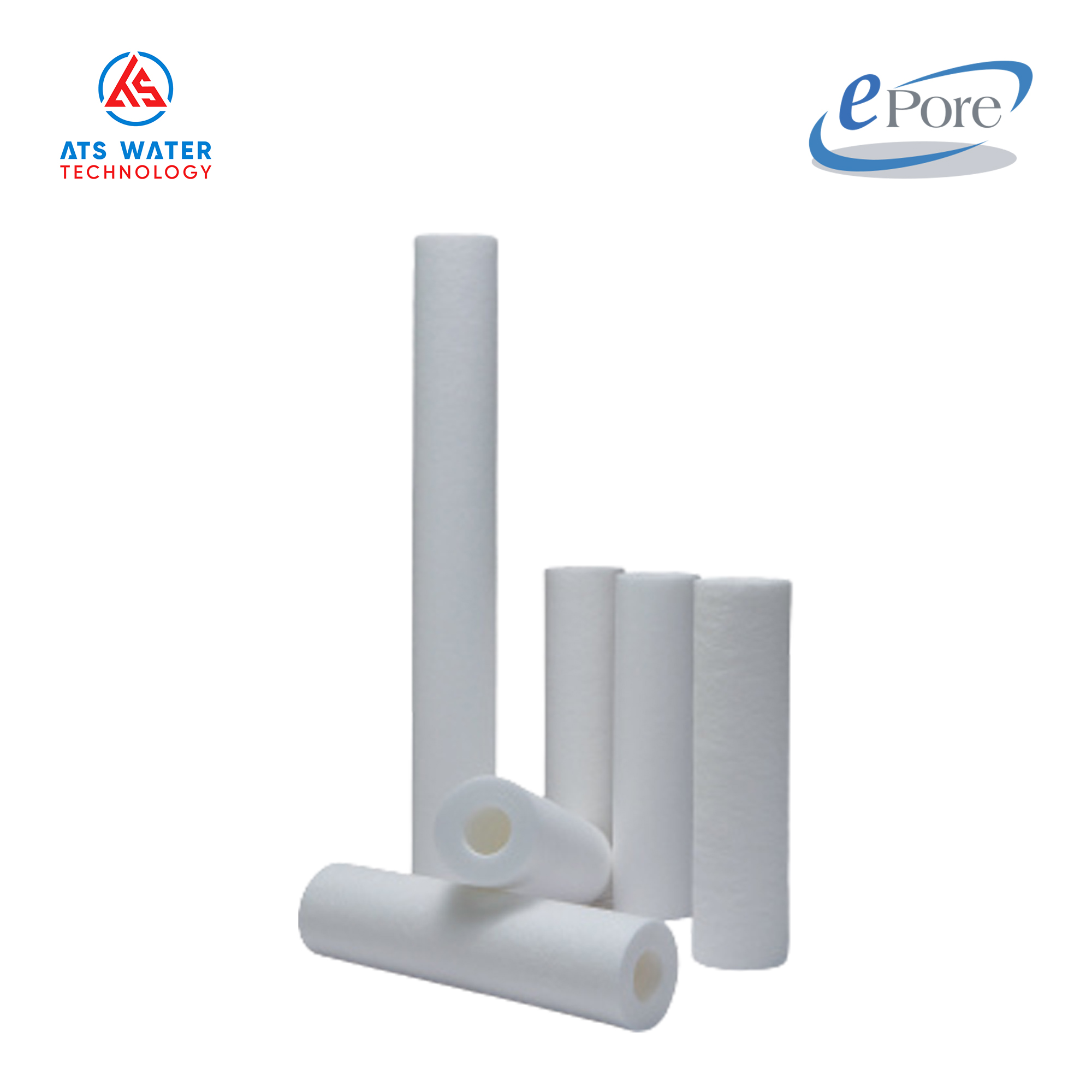
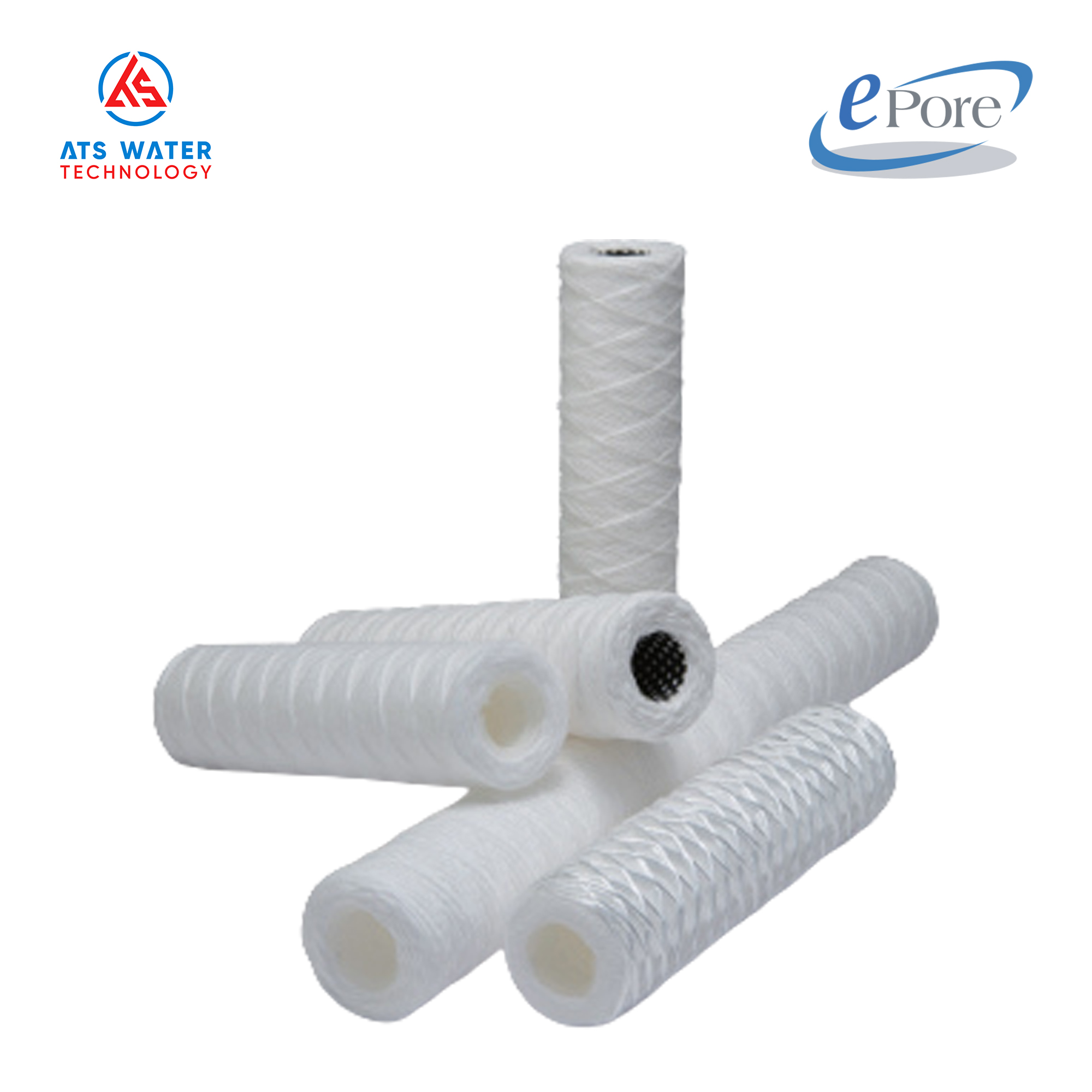
Aqualine cartridge filter: Before reaching the high-pressure RO pump, water is passed through a 5 µm Aqualine cartridge filter between the horizontal centrifugal pump and the high-pressure pump. This step removes fine particulates, safeguarding both the pump and RO membranes.
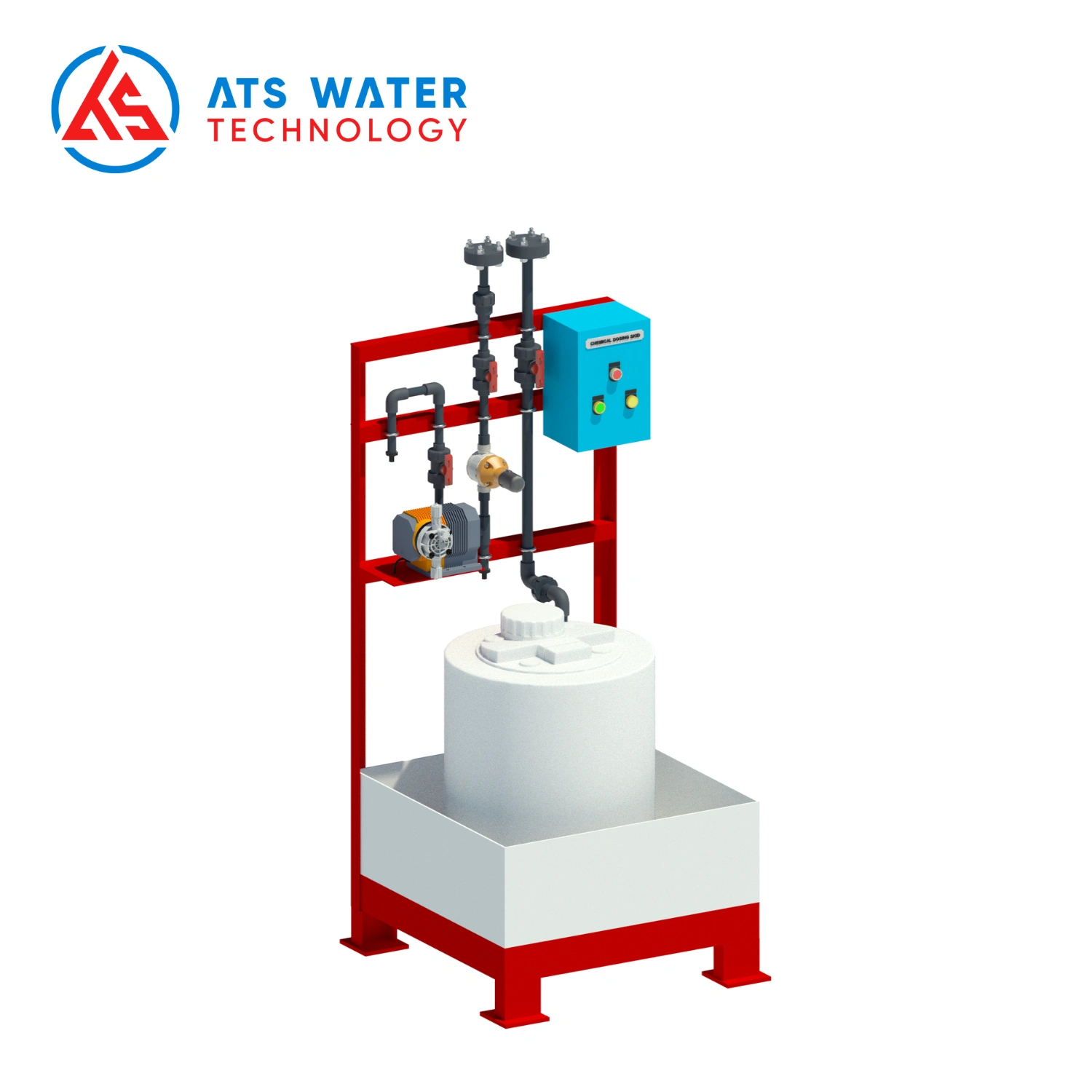
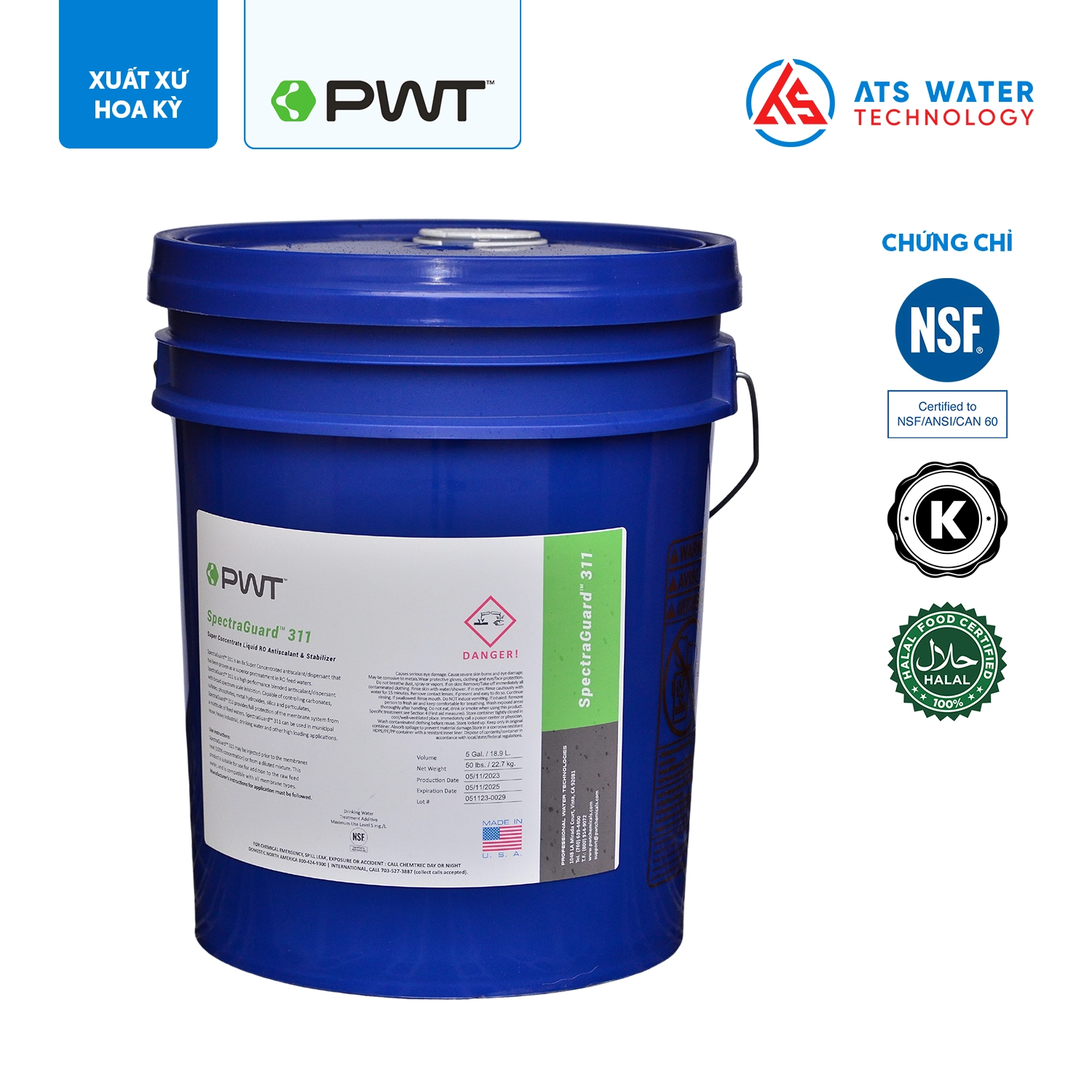
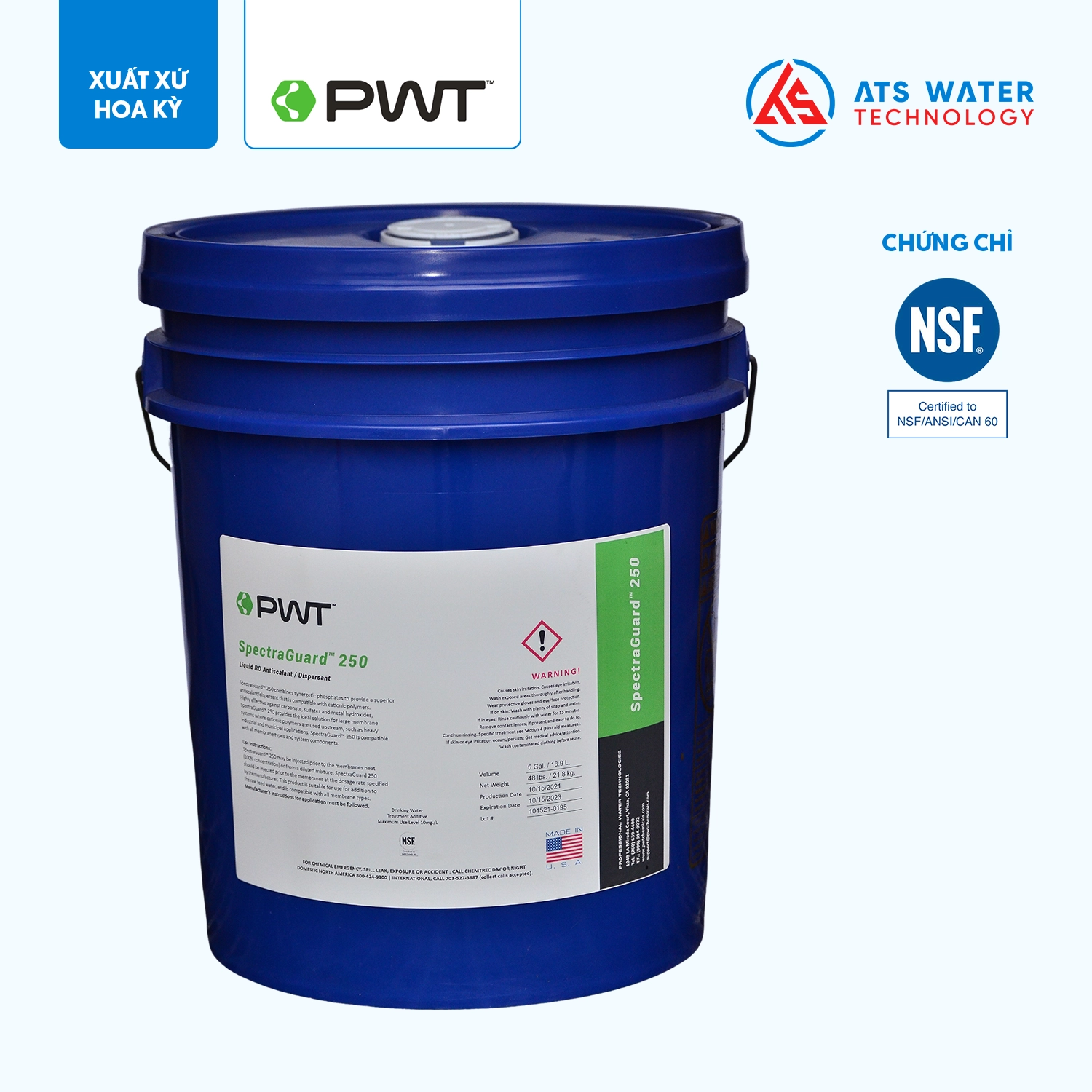
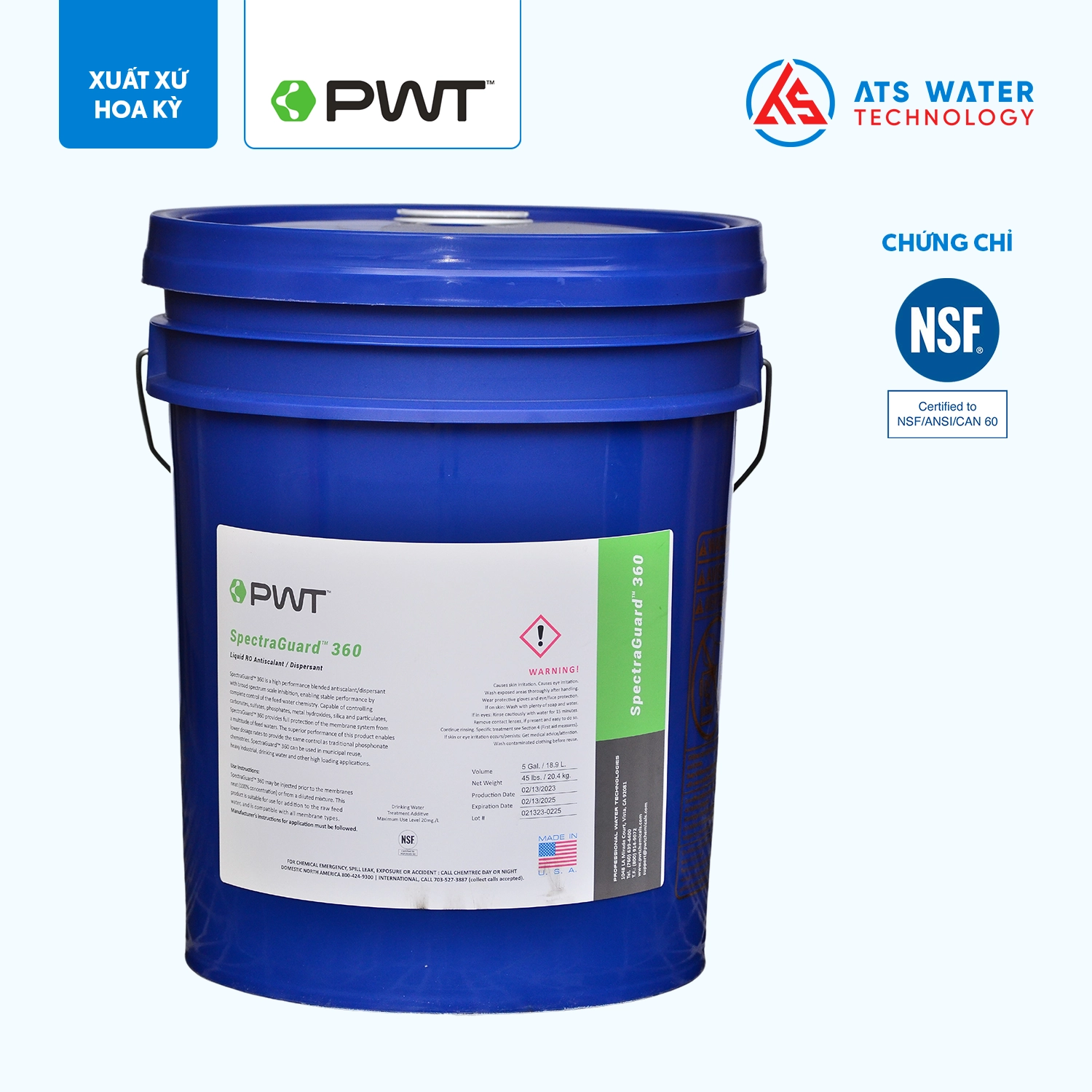
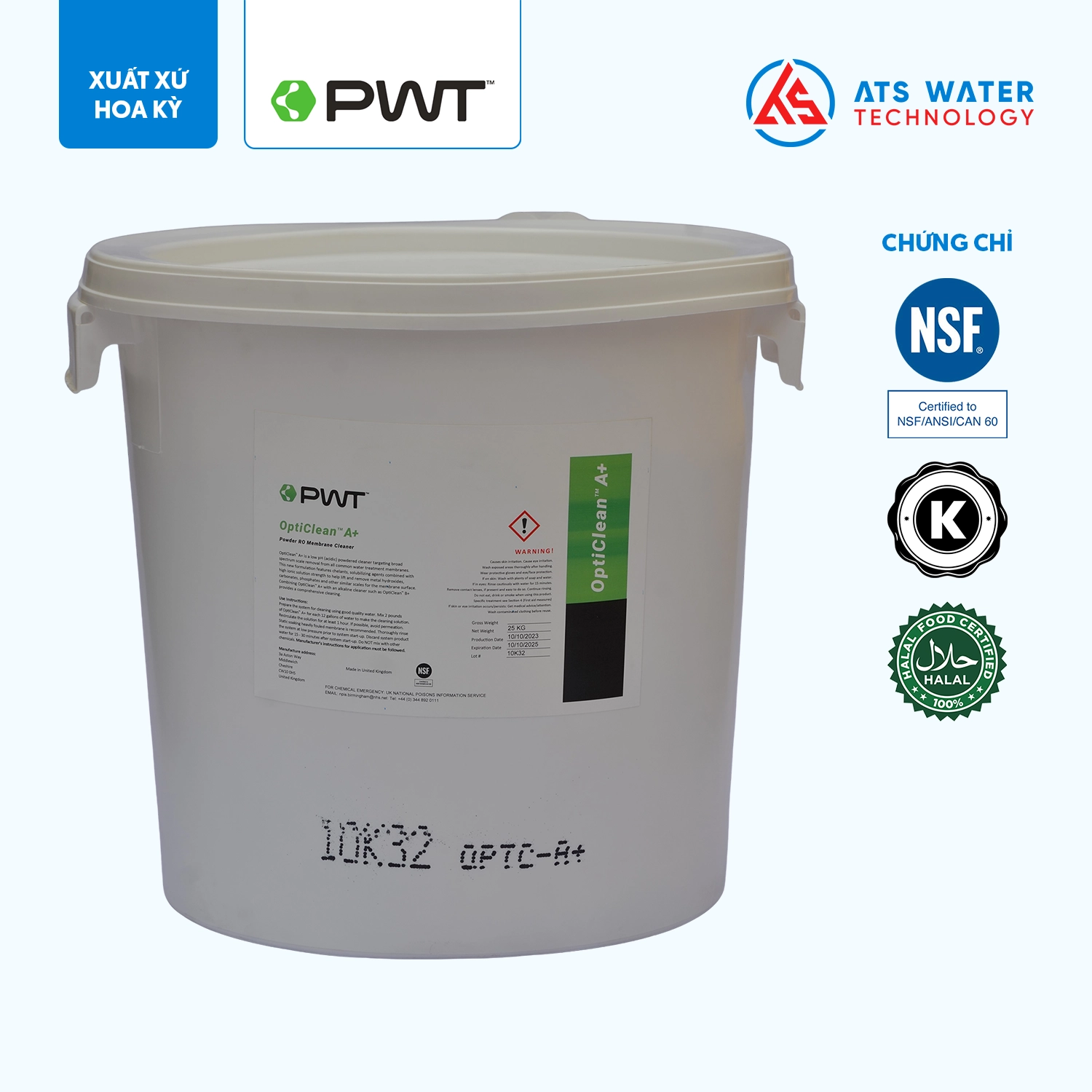
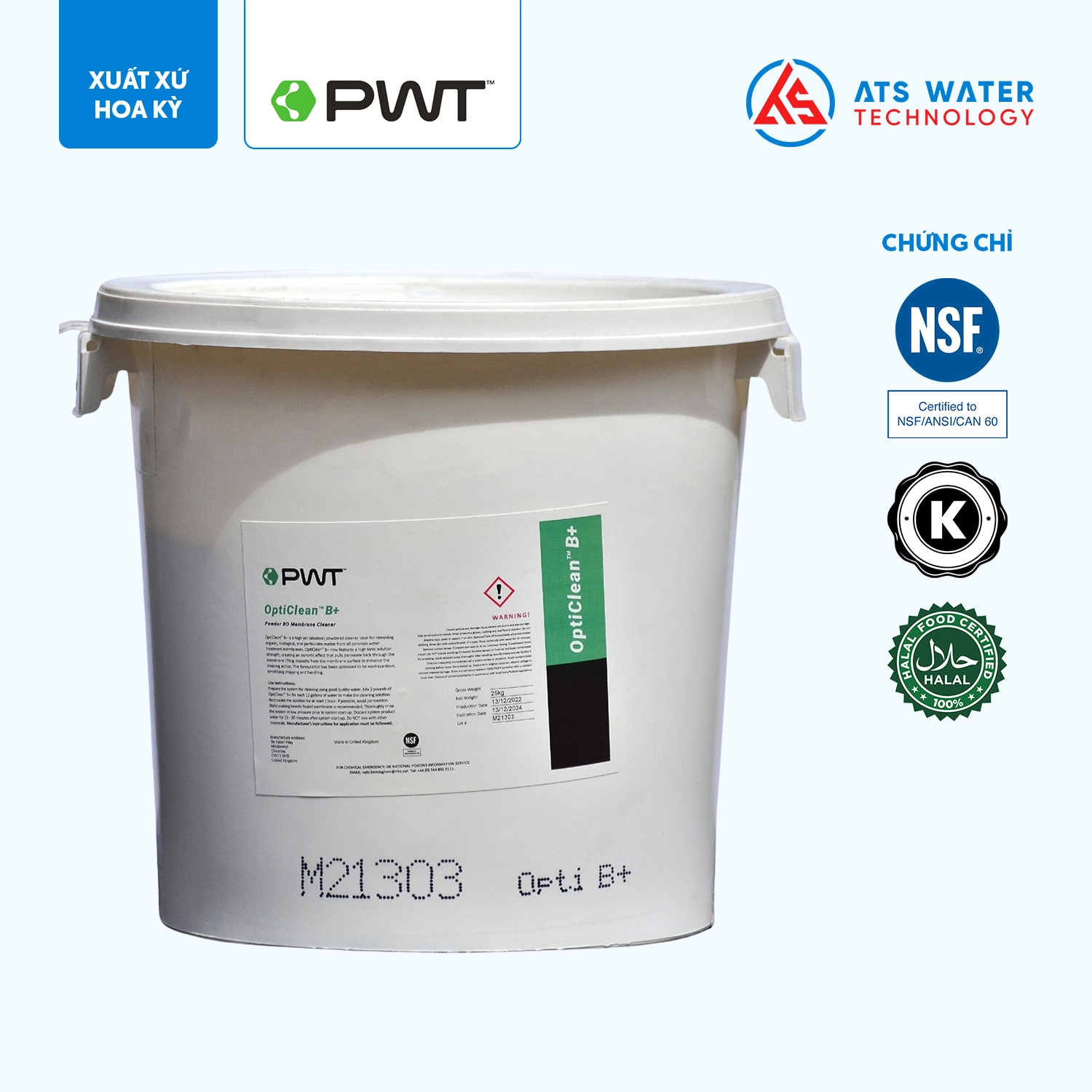
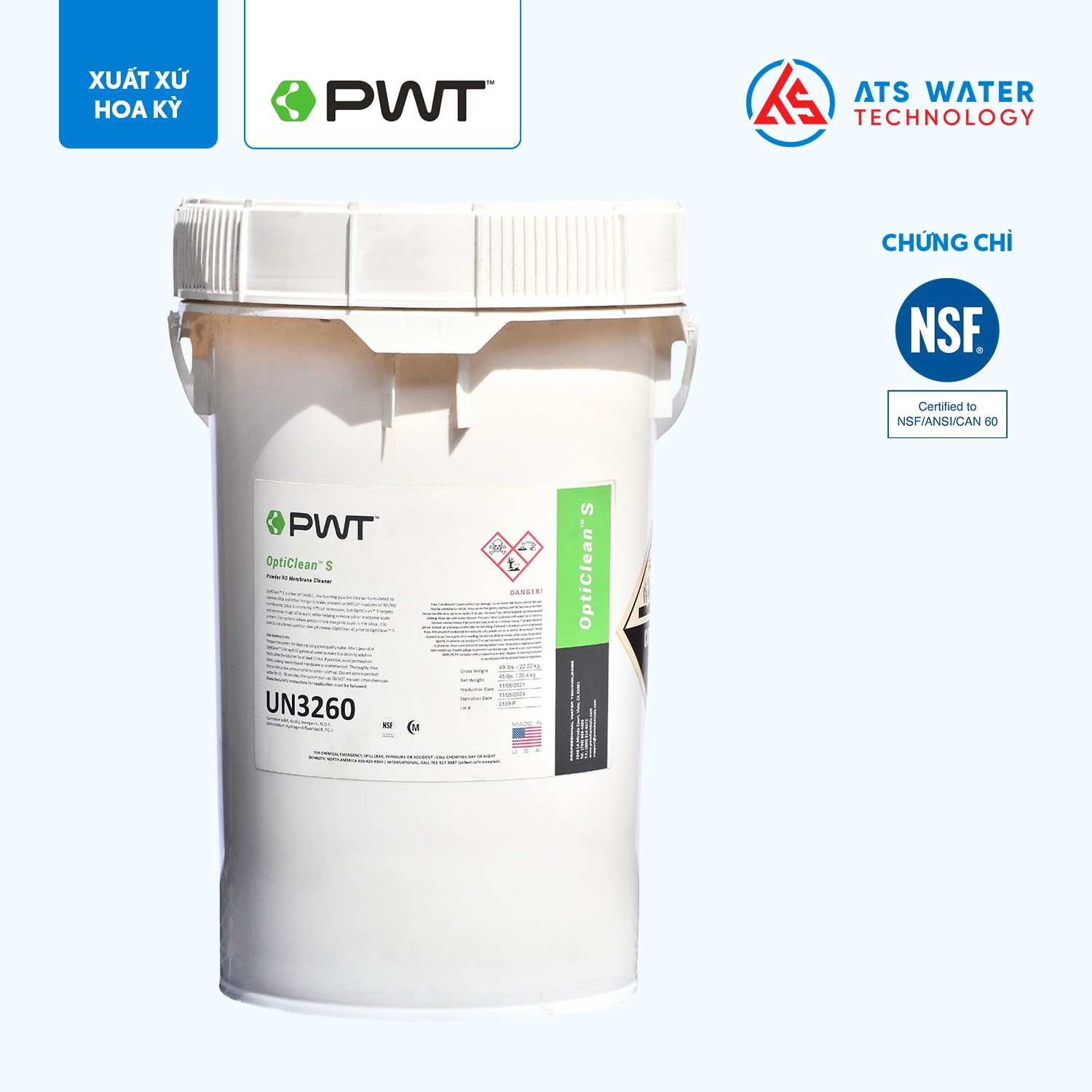
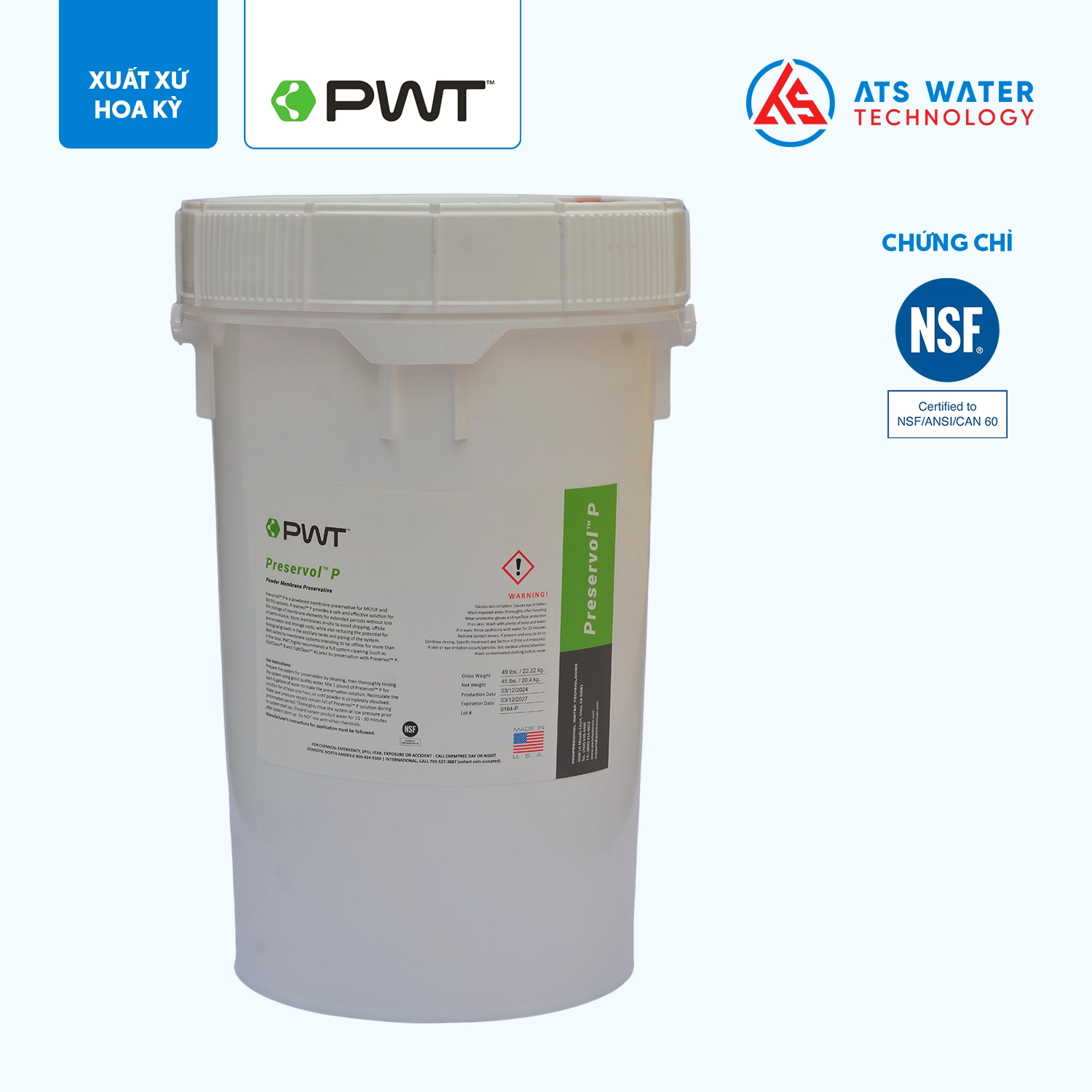
PWT antiscalant – SpectraGuard™ 360: Simultaneously, SpectraGuard™ 360 antiscalant is injected into the RO feed stream. It effectively controls scaling from carbonates, sulfates, phosphates, metal hydroxides, and silica, extending membrane life, improving performance, and reducing Clean-In-Place (CIP) frequency, thereby lowering operational costs.
4.2. Primary treatment stage
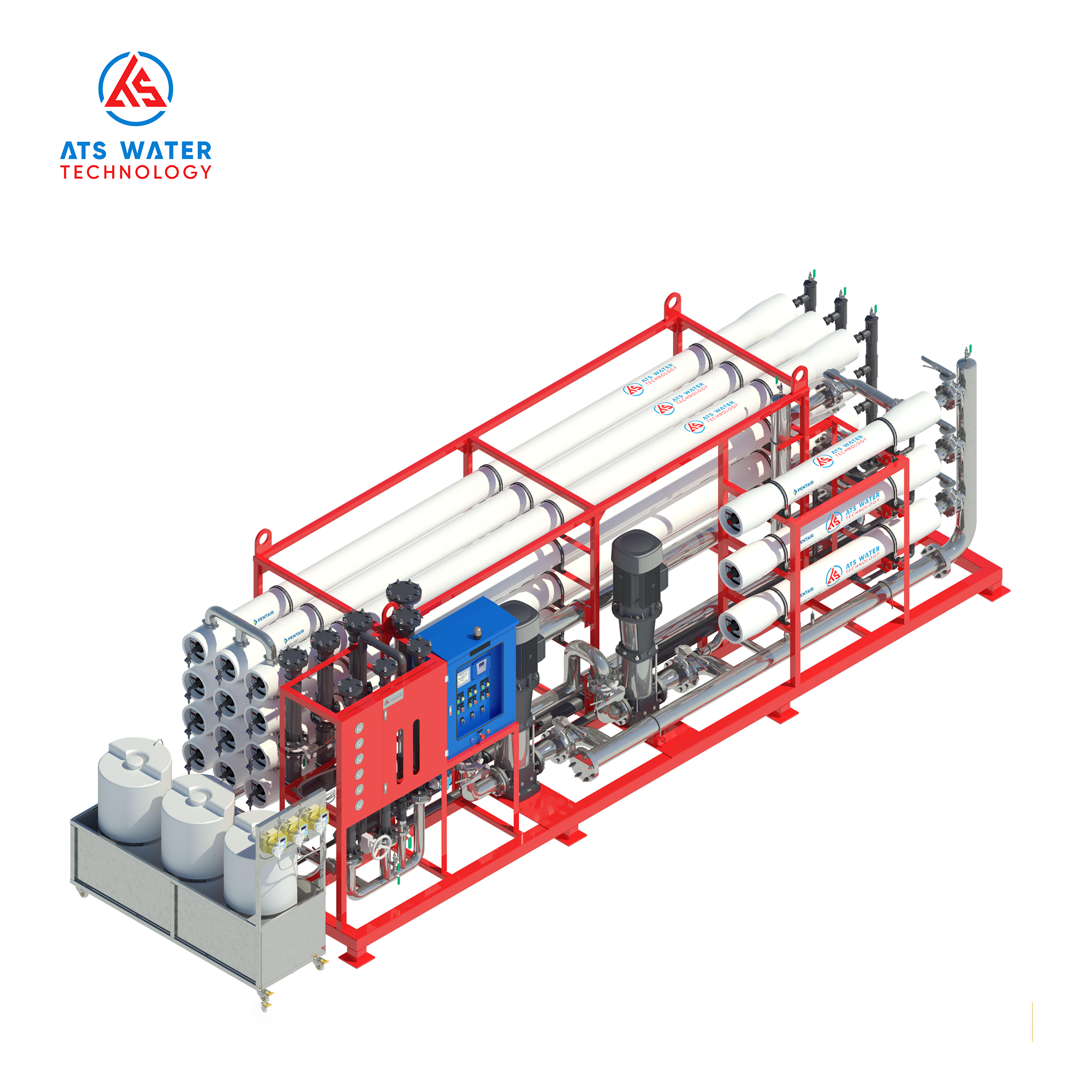
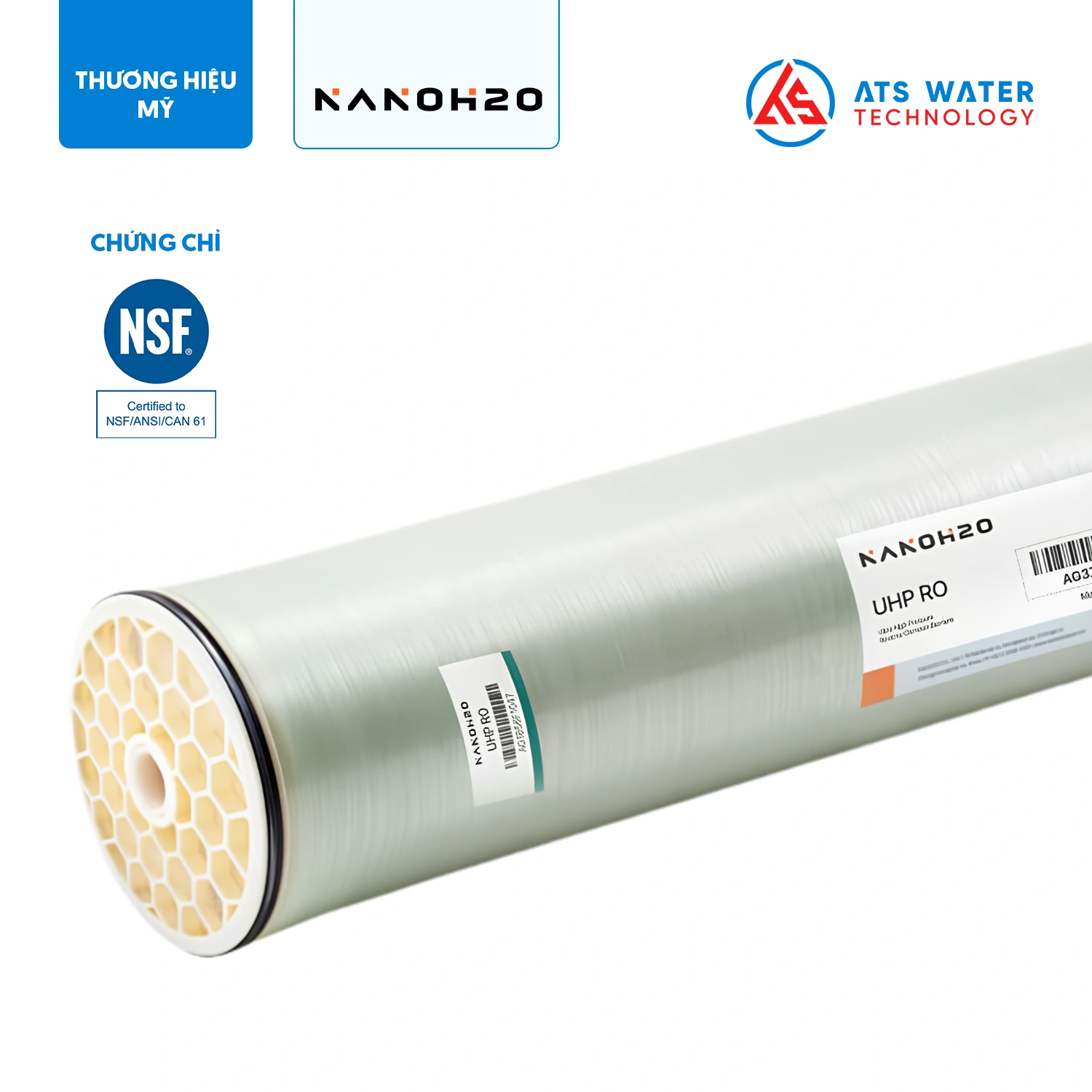
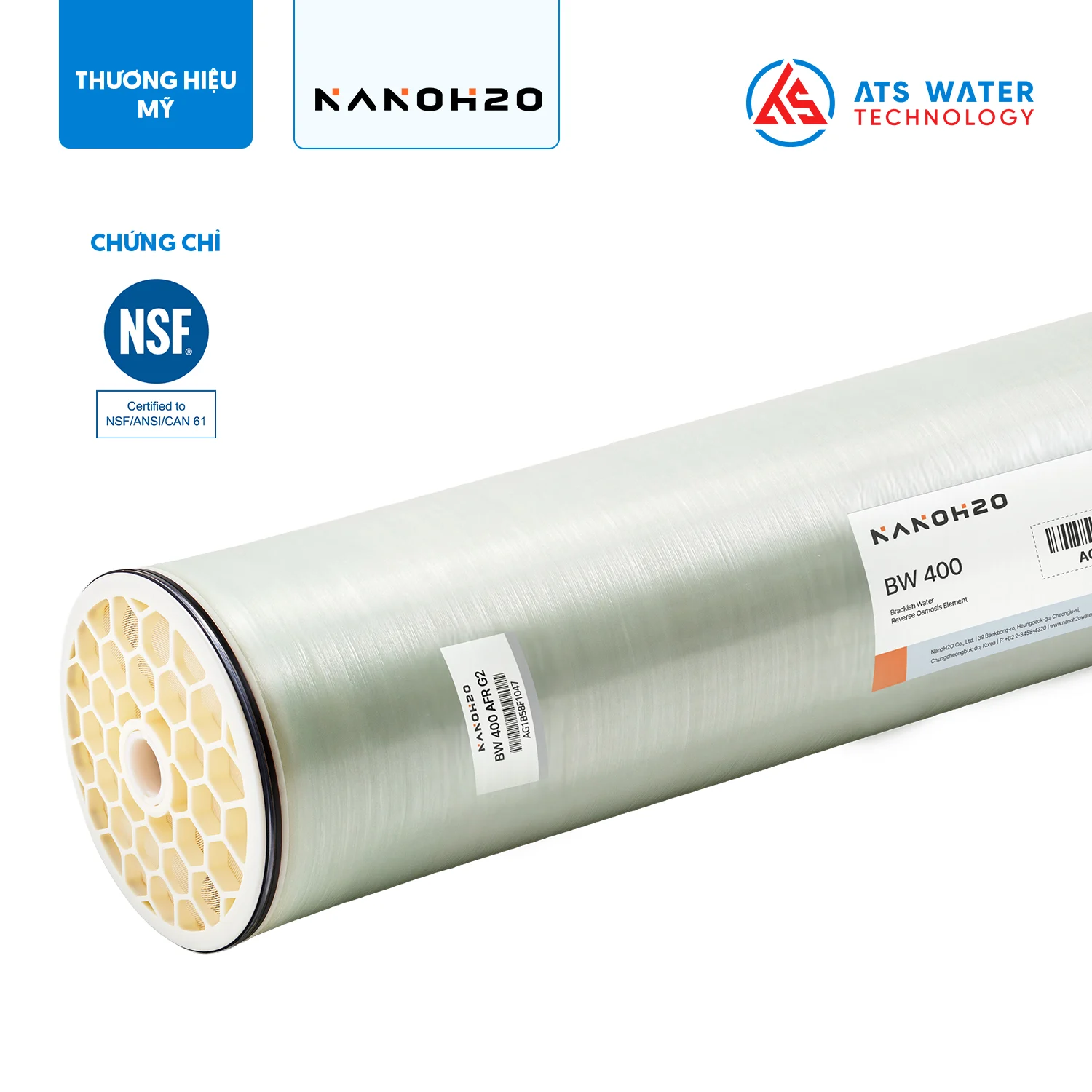
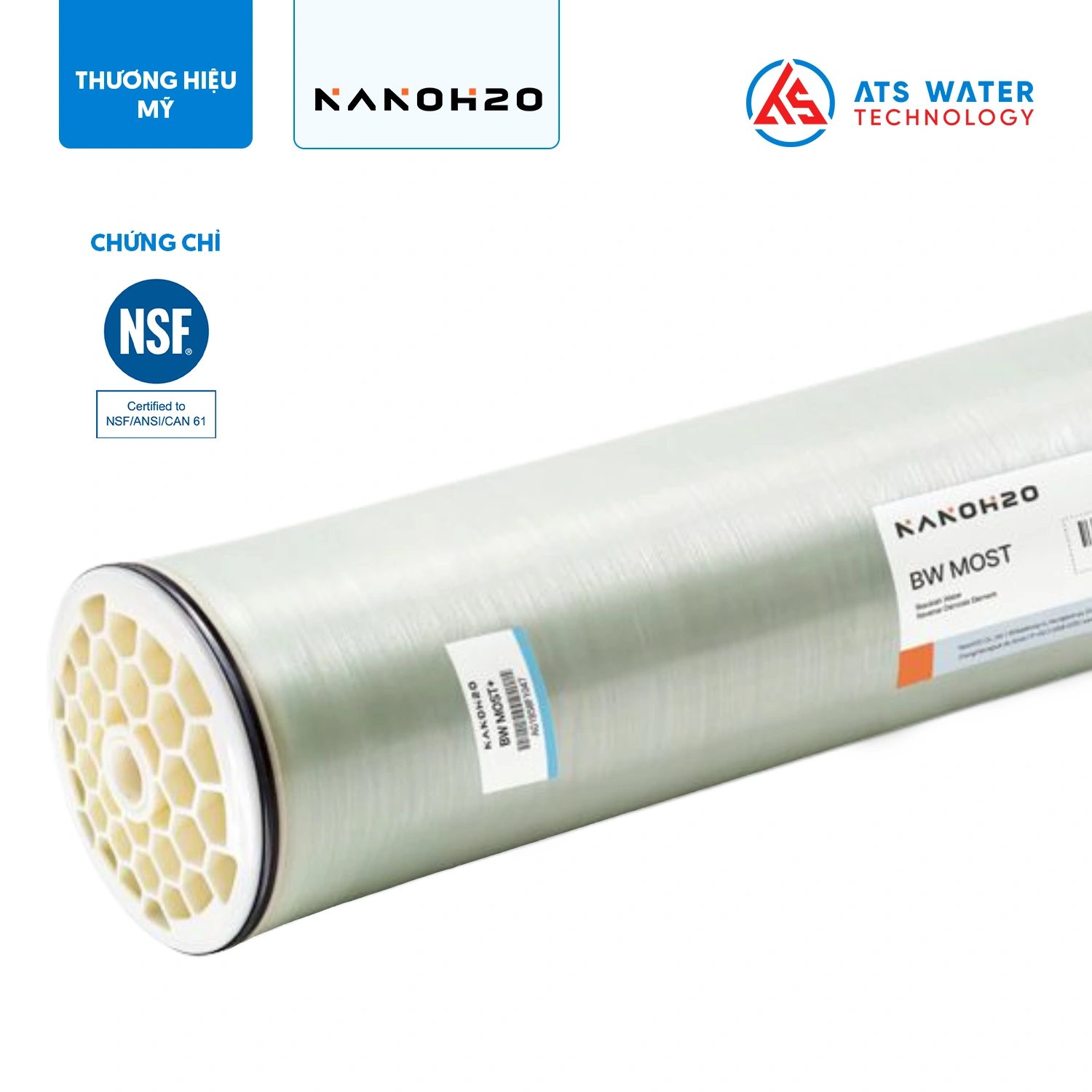
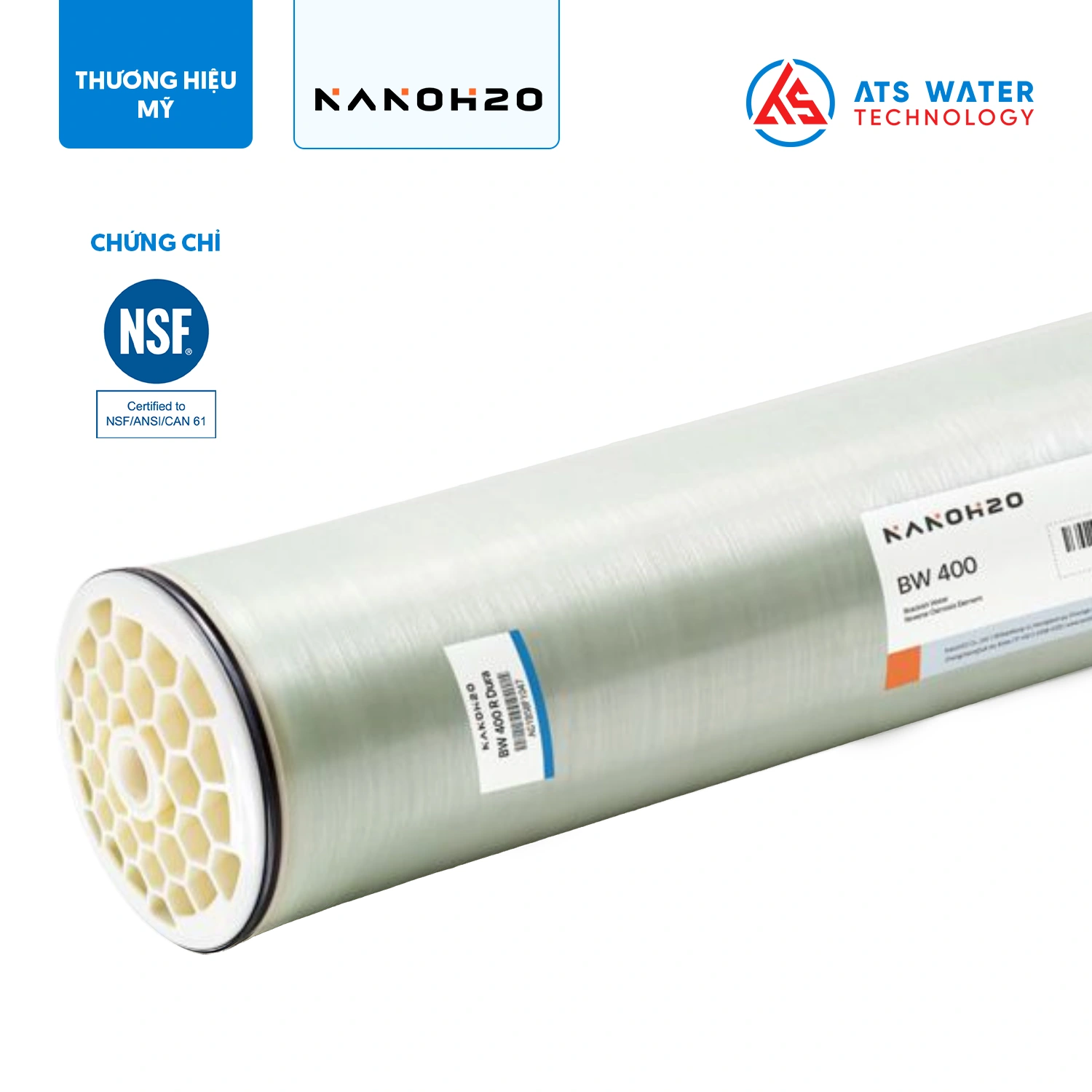
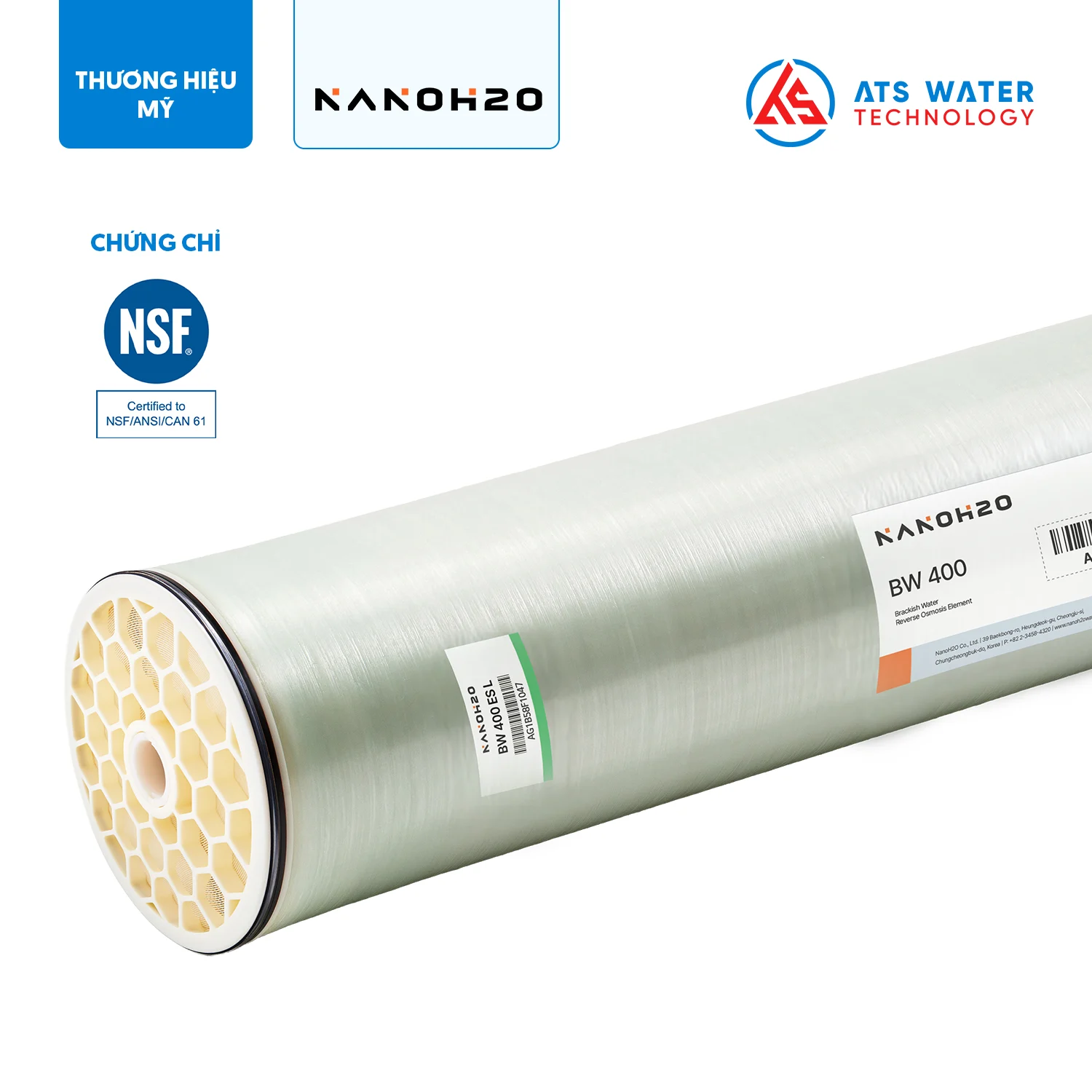
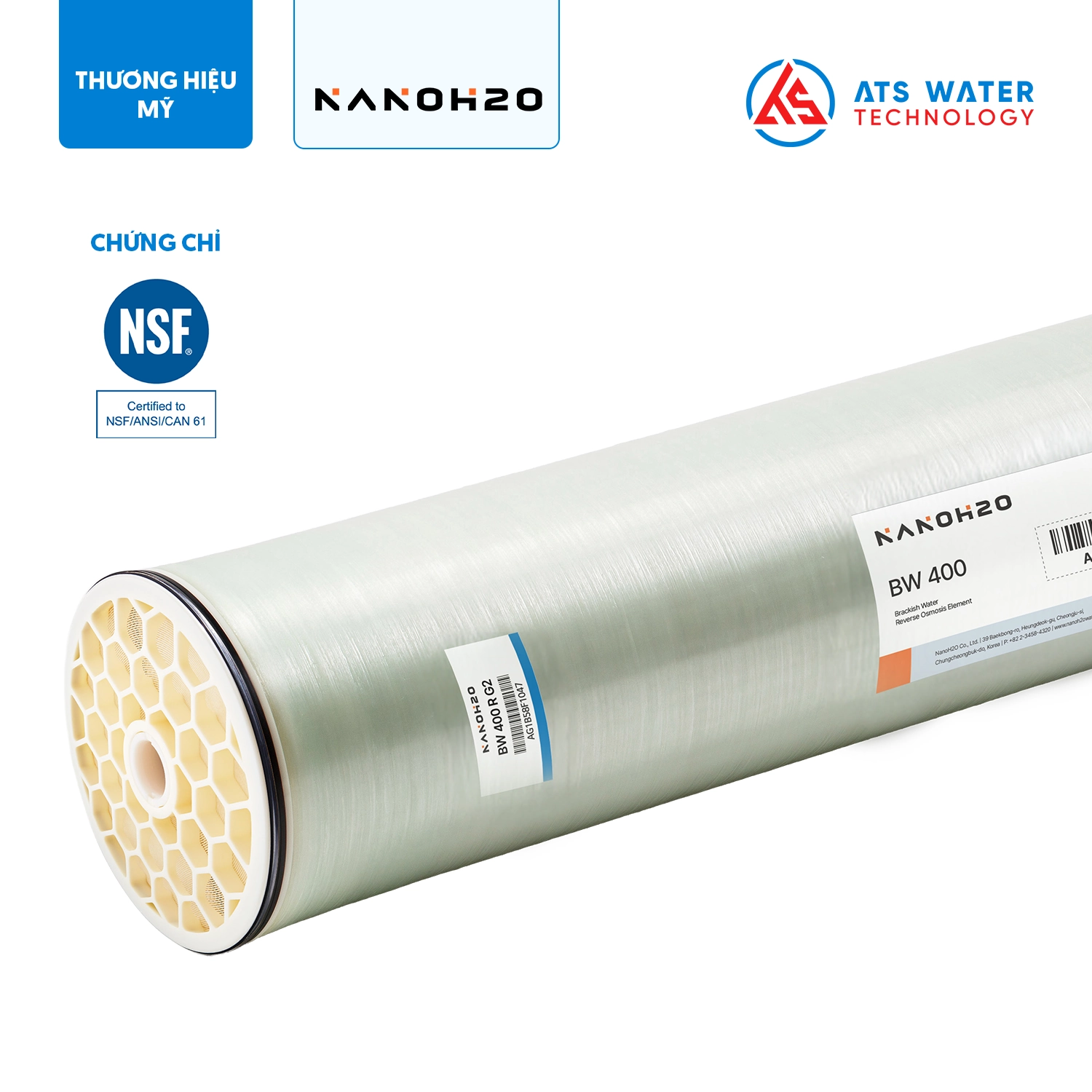
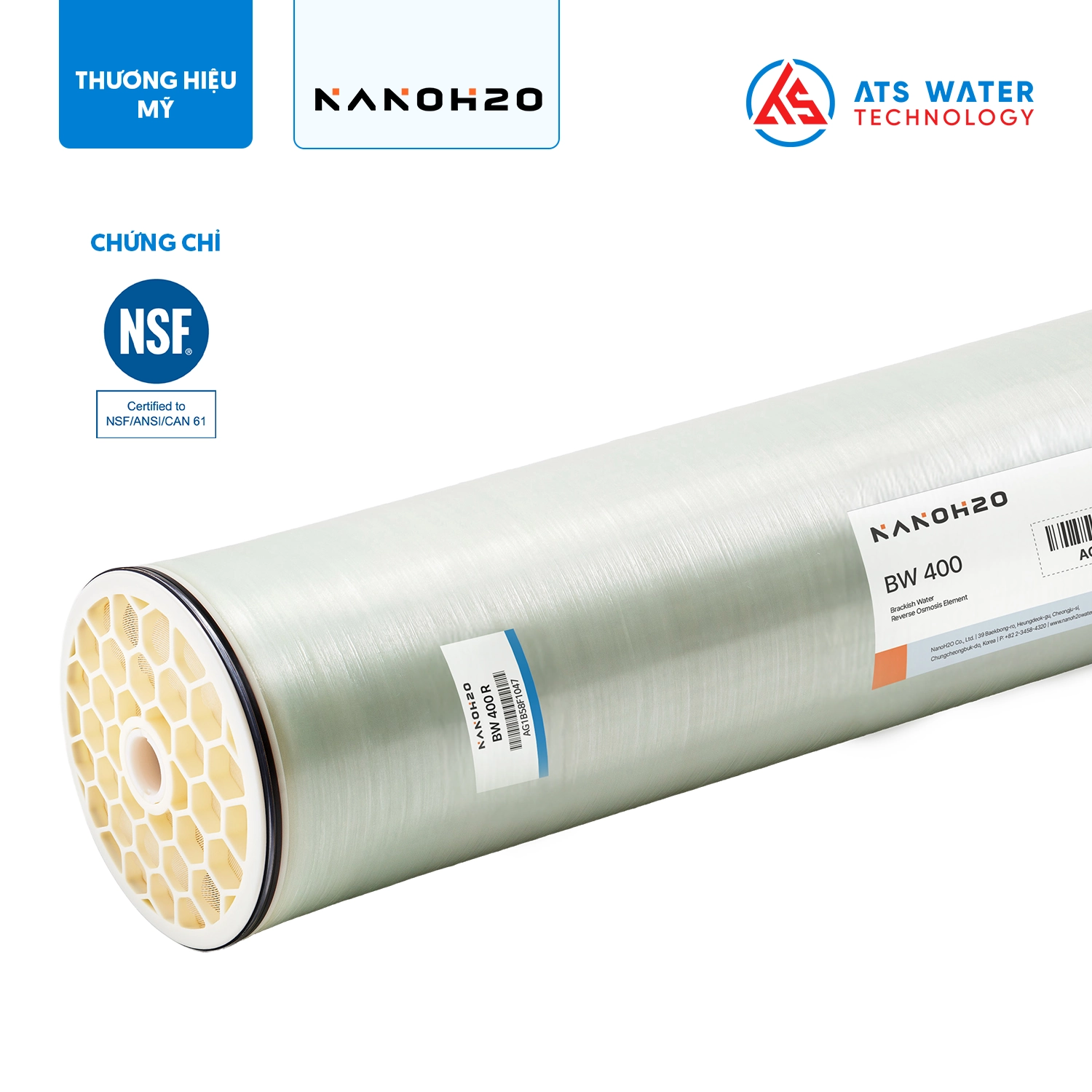
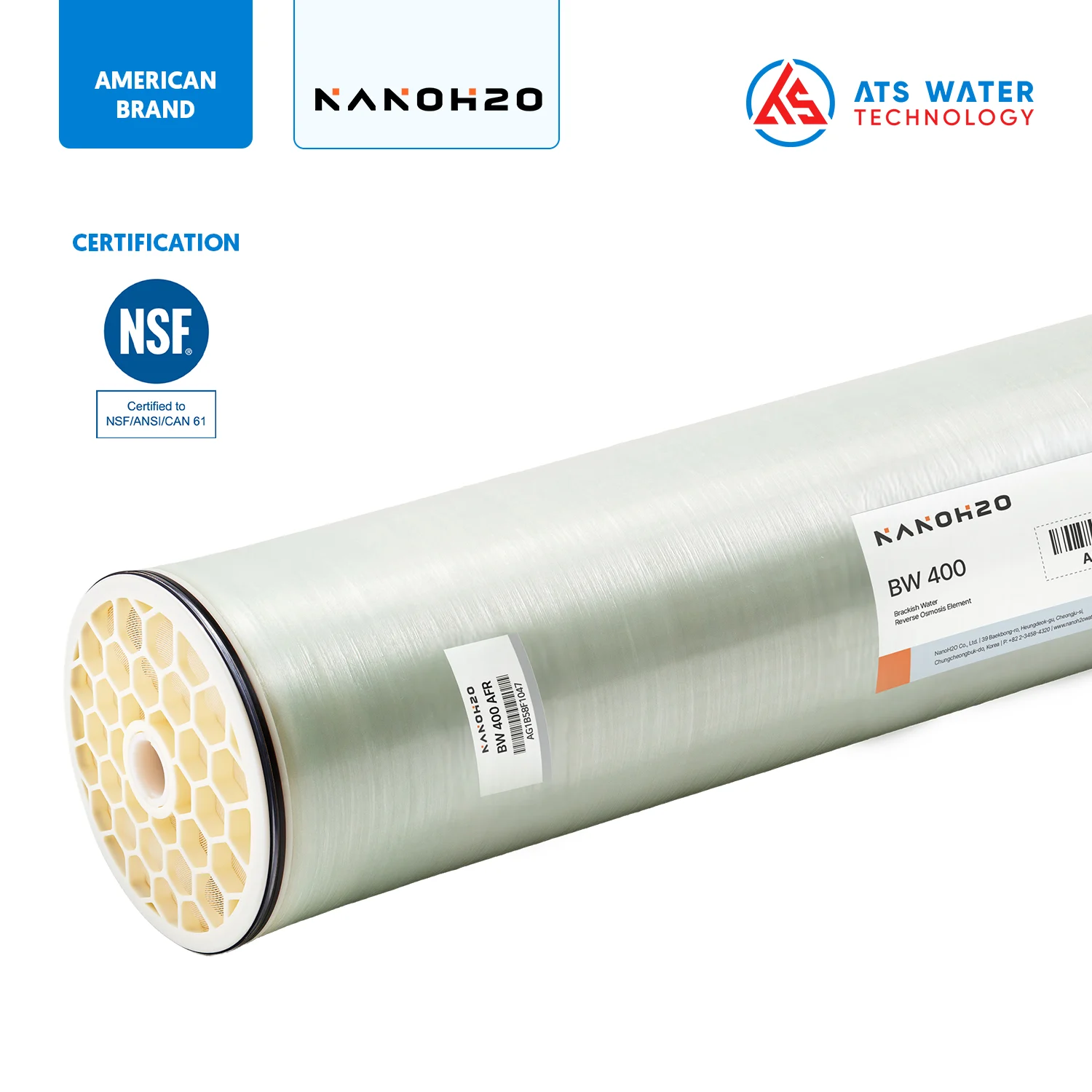
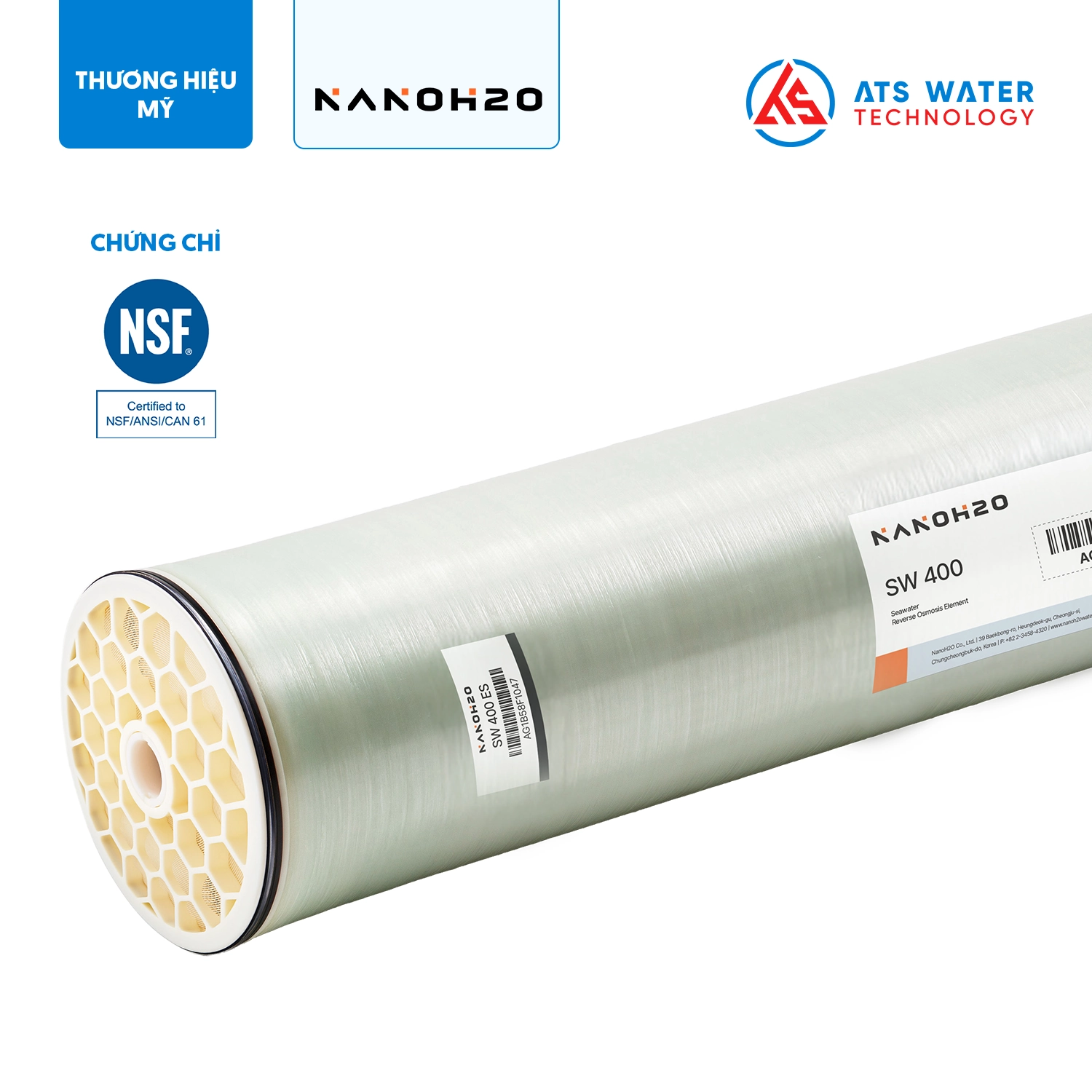
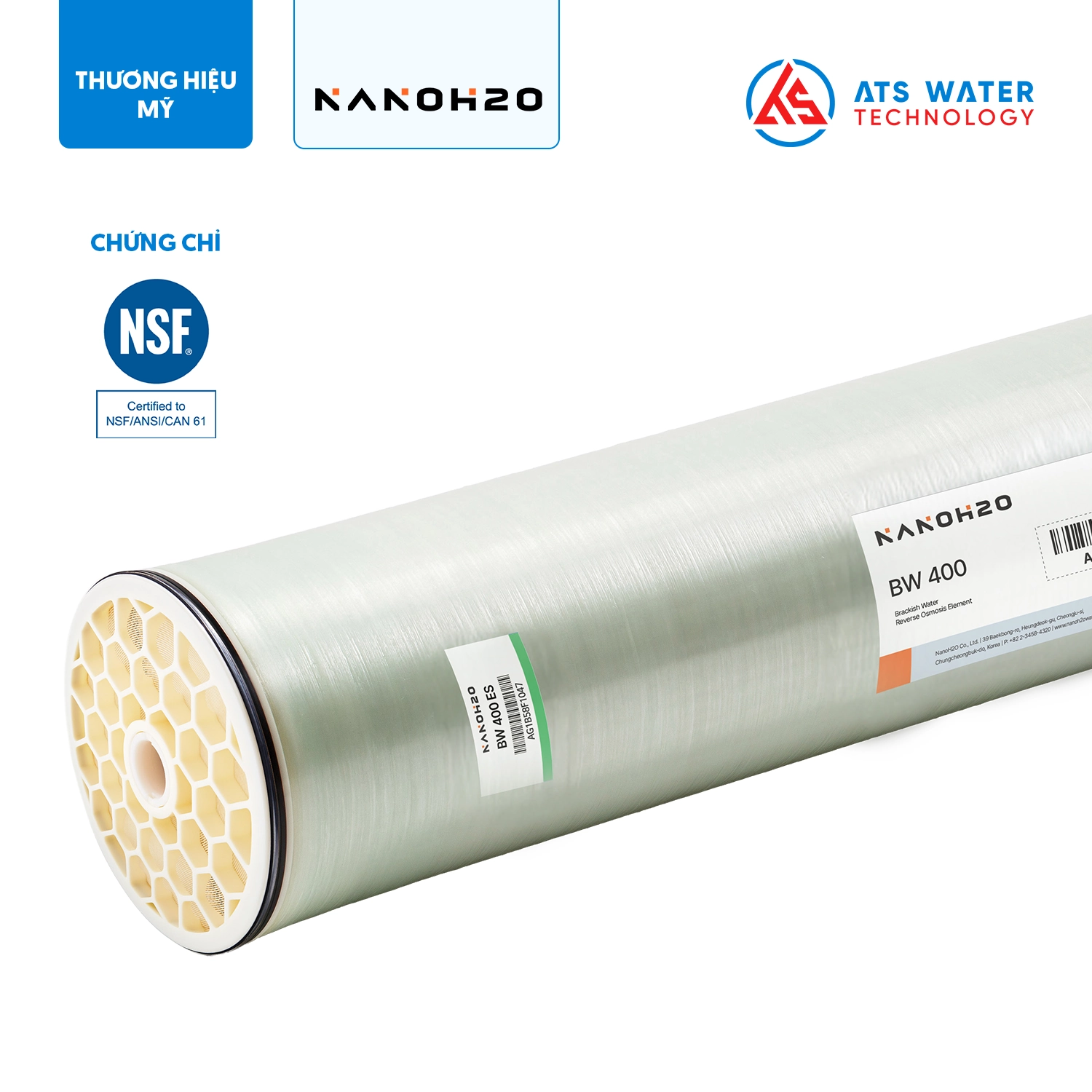
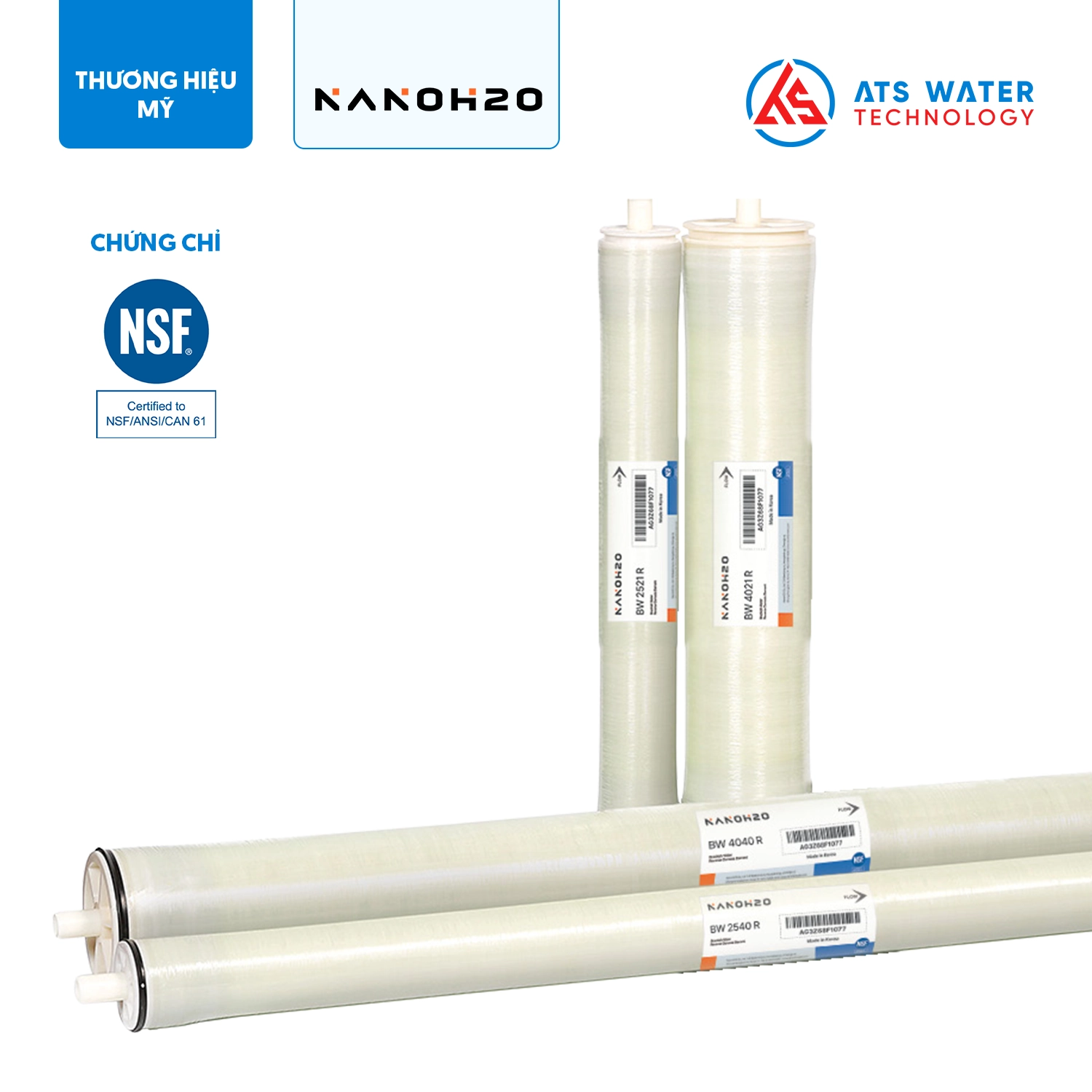
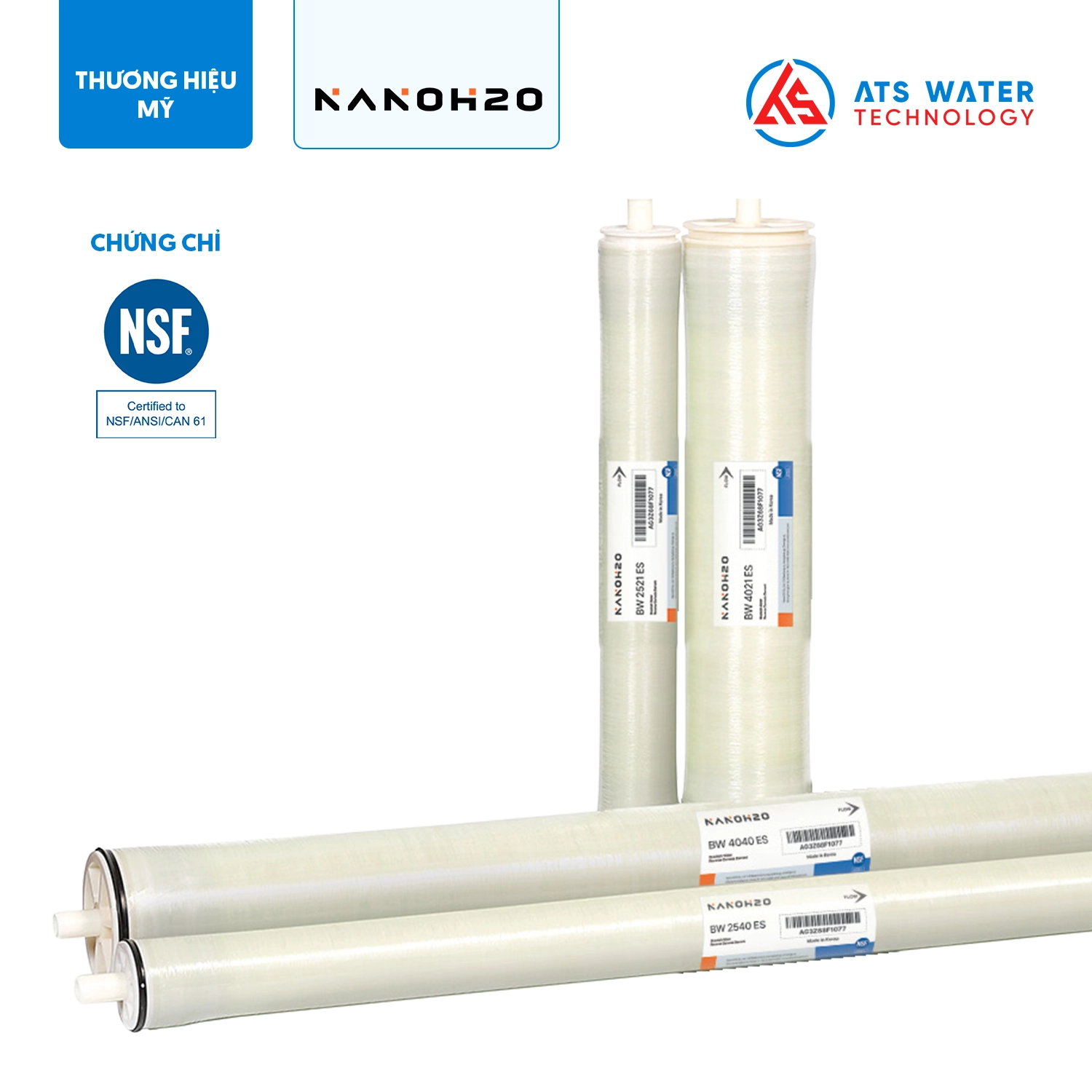
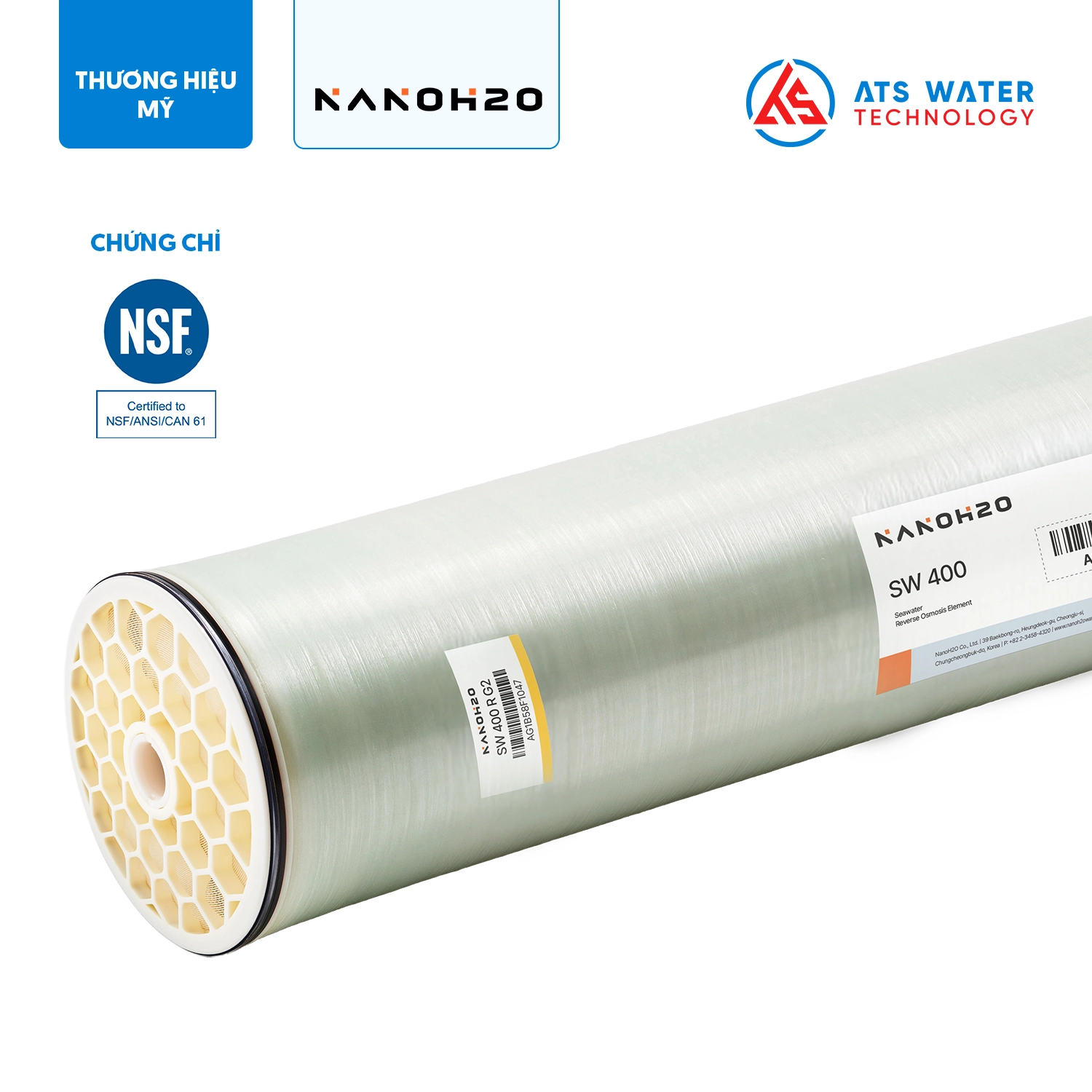
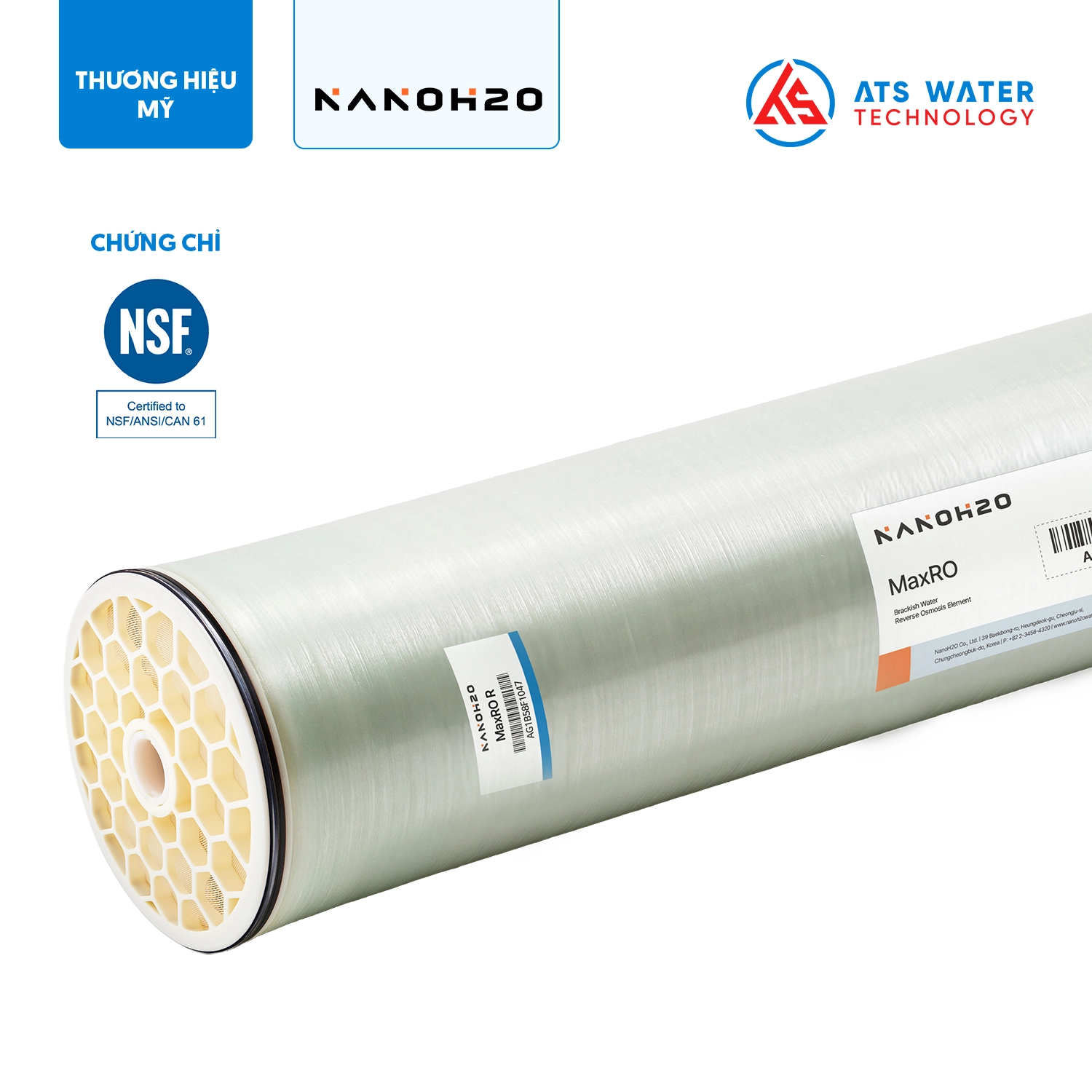
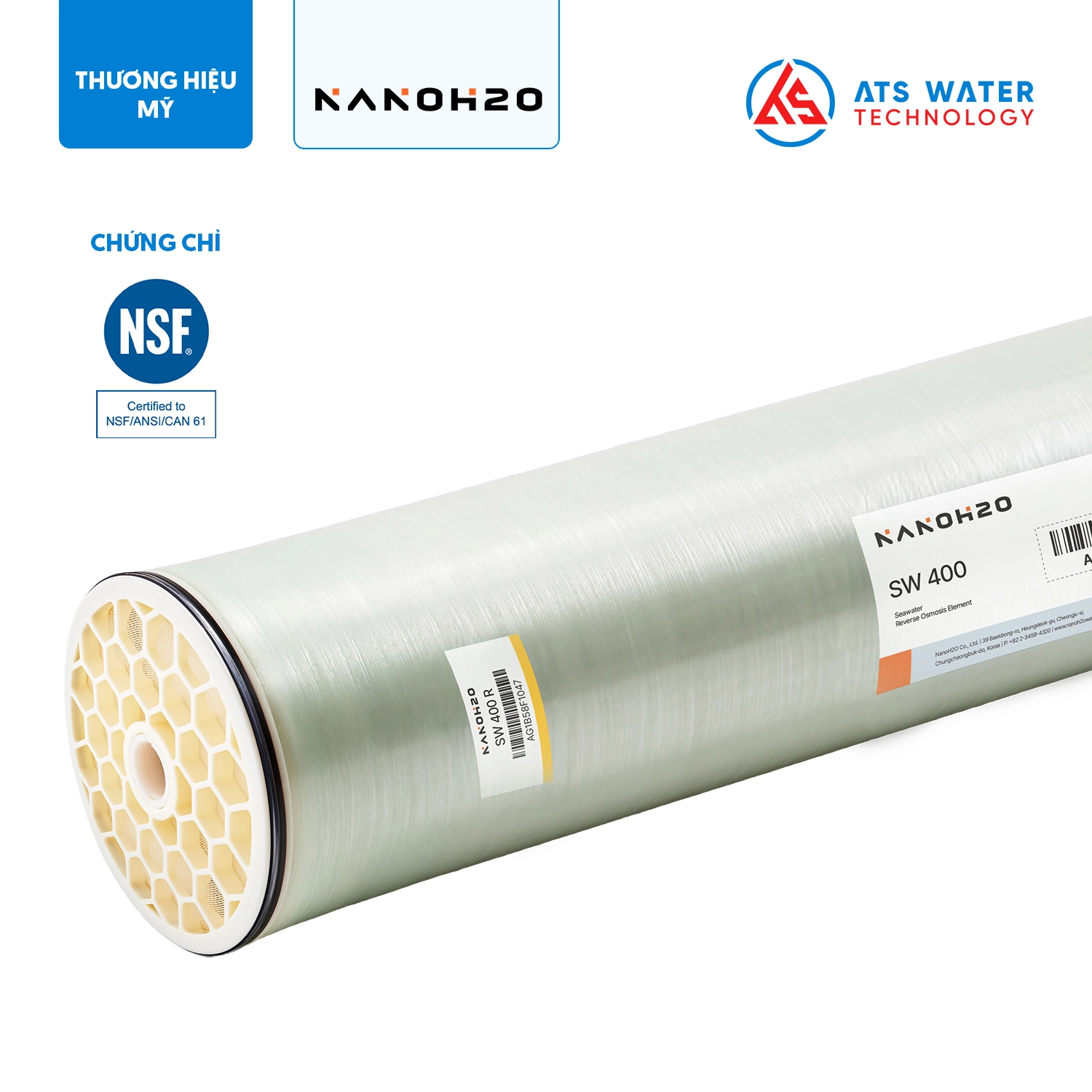
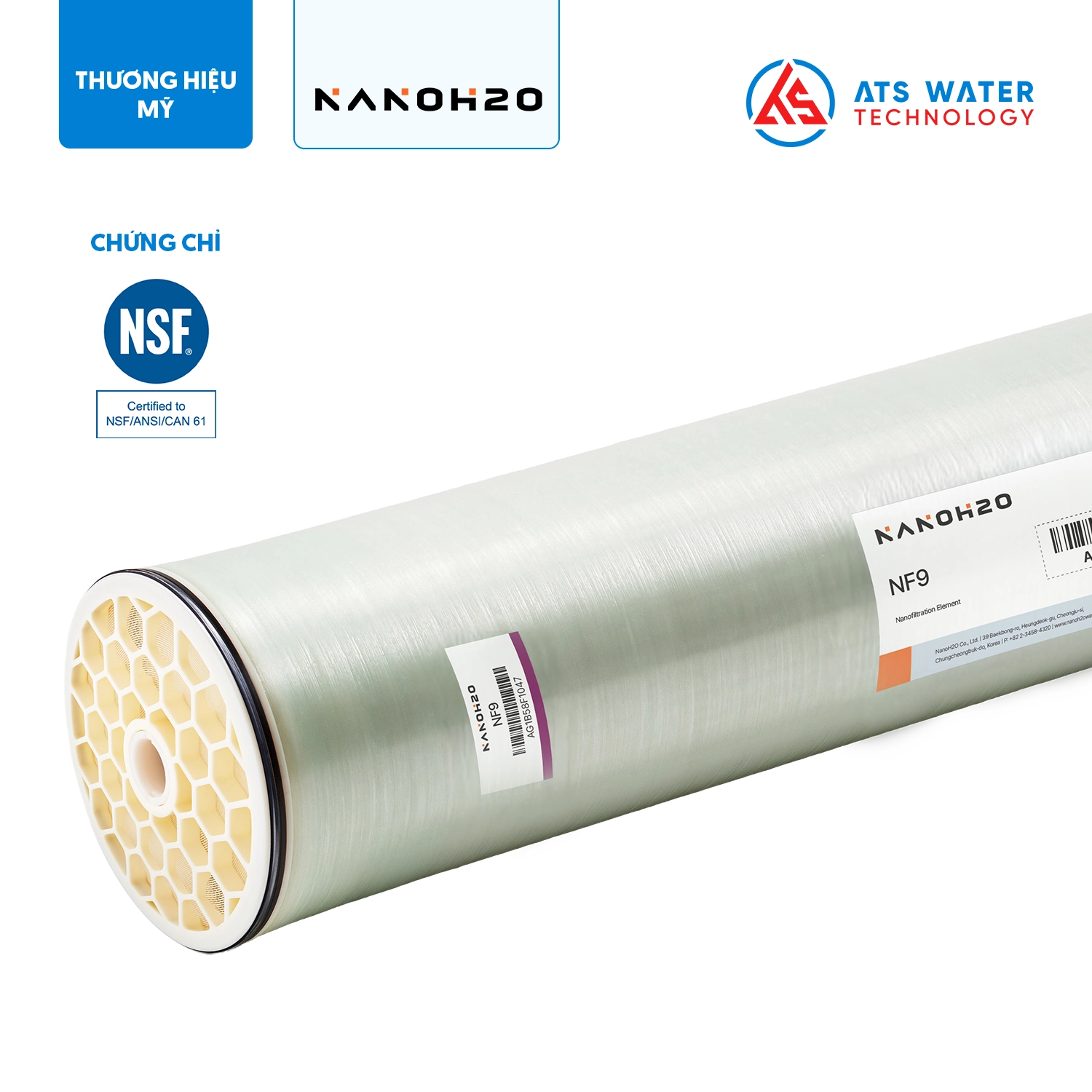
RO system with NanoH2O membranes: To meet the electroplating industry’s high purity requirements, ATS Water Technology recommends the BW 400 AFR G2 membranes. These are based on Thin-Film Nanocomposite (TFN) technology and deliver up to 99.8% salt rejection, effectively removing nearly all dissolved contaminants in preparation for EDI treatment.
Additionally, the membrane’s low dP feed spacer technology minimizes pressure drop and fouling potential, reducing energy use and extending membrane lifespan, resulting in lower capital and operating costs.
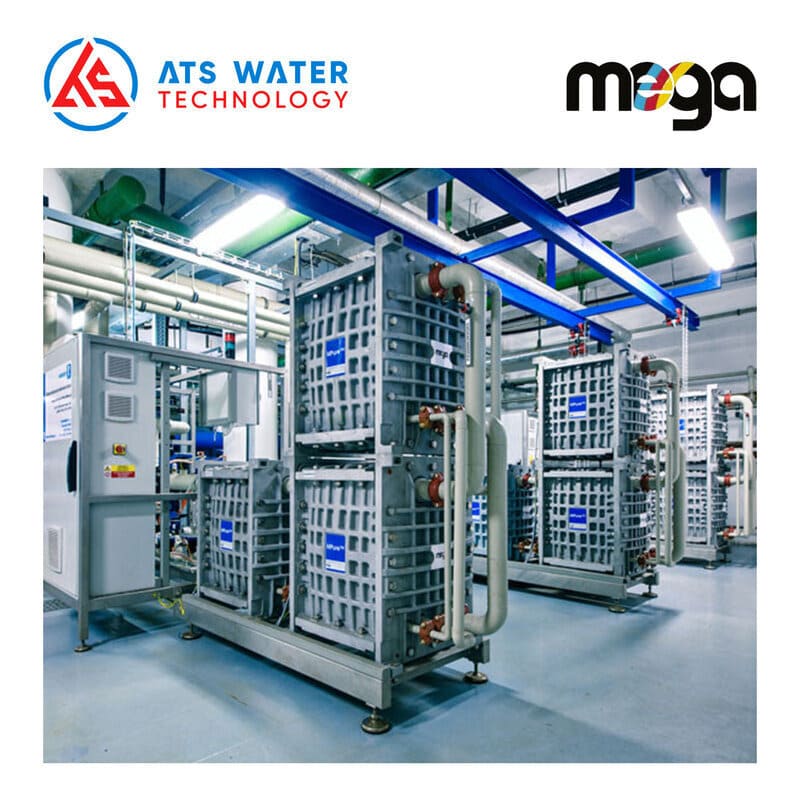
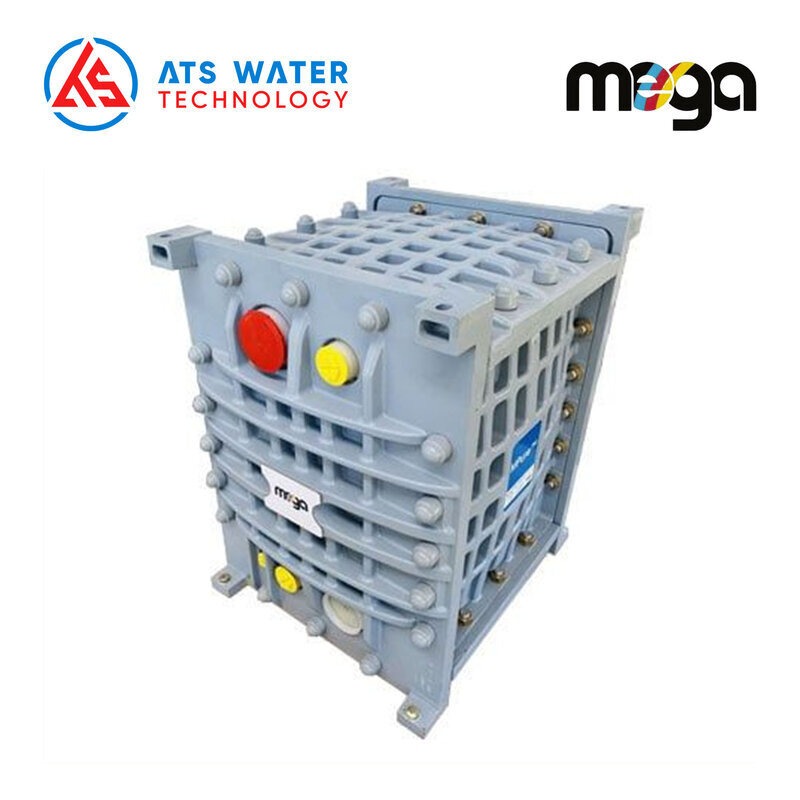
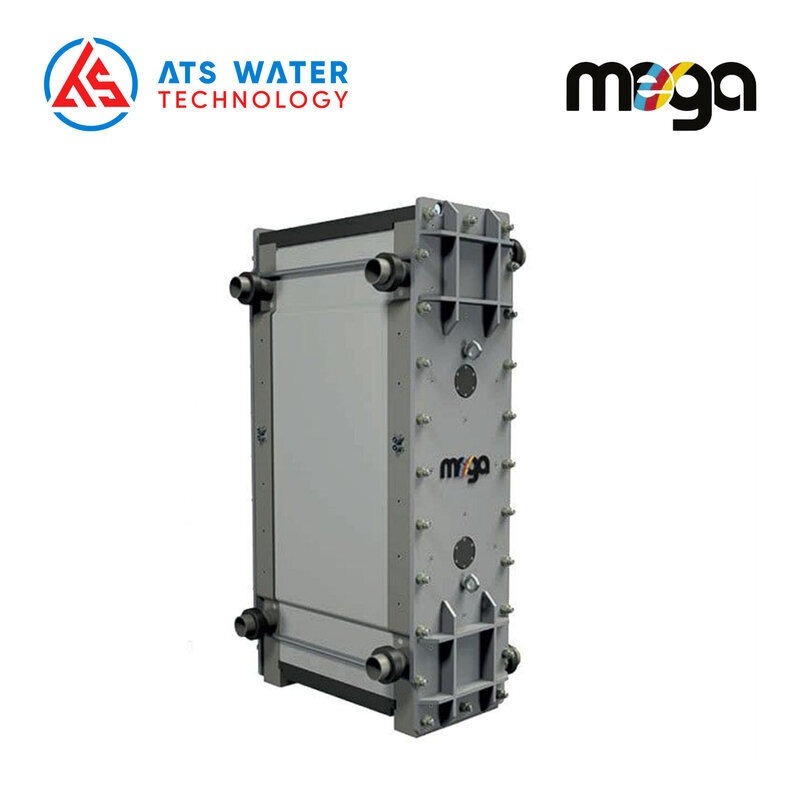
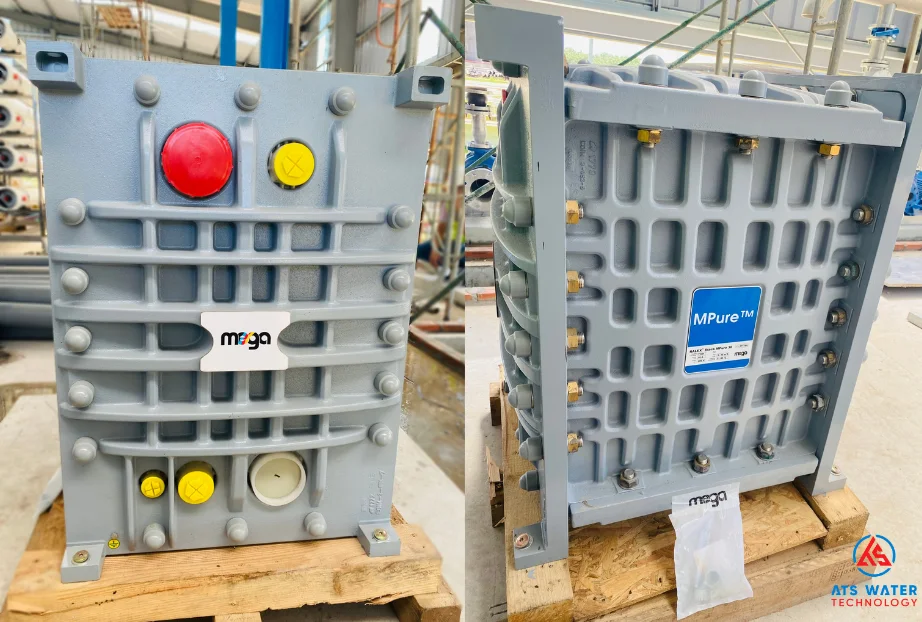
MPure™ Electrodeionization (EDI) system (Mega): After two-pass RO treatment, water is polished using the MPure™ EDI system. EDI technology continuously removes residual ions via electric fields and ion exchange, producing ultrapure water without chemical regenerants.
The final product water achieves resistivity levels up to 18.2 MΩ·cm, meeting the ultra-high-purity standards required for precision electroplating applications.
Note: System configuration may vary depending on the characteristics of the raw water source.
5. Frequently asked questions about electroplating water treatment
Why is clean water essential for post-plating rinsing?
Clean water removes chemical residues from plated surfaces, ensuring cleanliness and optimal adhesion for downstream processes.
What are the main contaminants in feedwater that need to be treated in the electroplating industry?
Common contaminants include heavy metals (e.g., chromium, zinc, copper), oils, organics, and suspended solids, all of which must be effectively removed to ensure plating consistency and quality.
Can this water treatment process be adapted to other industries?
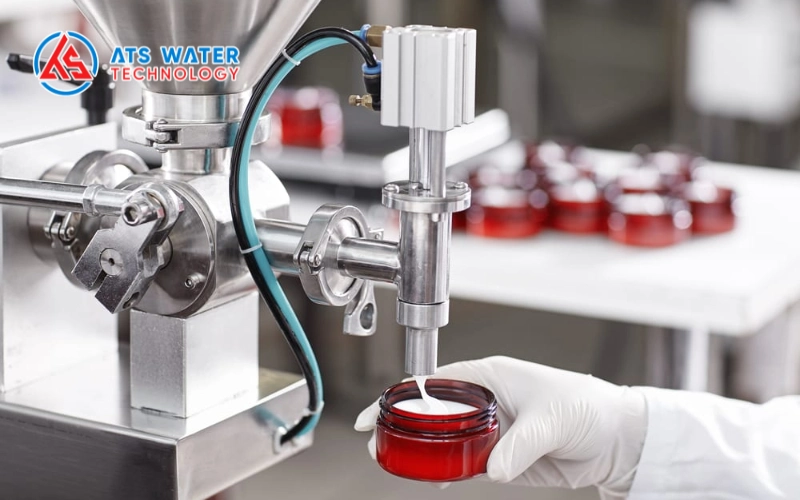
Yes. The same ultrapure water treatment technologies are applicable in industries such as semiconductors, pharmaceuticals, and cosmetics, where water purity is critical to product performance and safety.
Advancements in water treatment have made electroplating operations more efficient, cost-effective, and environmentally sustainable. By implementing advanced electroplating process water treatment systems and ensuring a consistent supply of ultra pure water, manufacturers can significantly improve product quality and process stability. For tailored water treatment solutions designed to meet your electroplating needs, please contact ATS Water Technology Co., Ltd at:
ATS WATER TECHNOLOGY CO., LTD
- Head office: 54/18 Bui Quang La, An Hoi Tay Ward, HCMC, Vietnam
- Branch office: 77 DHT10B, Dong Hung Thuan Ward, HCMC, Vietnam
- Consultation and support: (028) 6258 5368 – (028) 6291 9568
- Email: info@atswatertechnology.com
- Social media: Facebook | LinkedIn | YouTube
- Quick contact: Zalo Official | Telegram | WhatsApp