 Solution
 Technology
 Application


Heavy metals in water are dangerous inorganic pollutants that must be strictly controlled in water treatment systems. They corrode equipment, compromise output water quality, and pose serious risks to public health. Early identification and proper treatment are essential. Follow this article by ATS Water Technology for more detailed insights.
1. What are heavy metals in water?
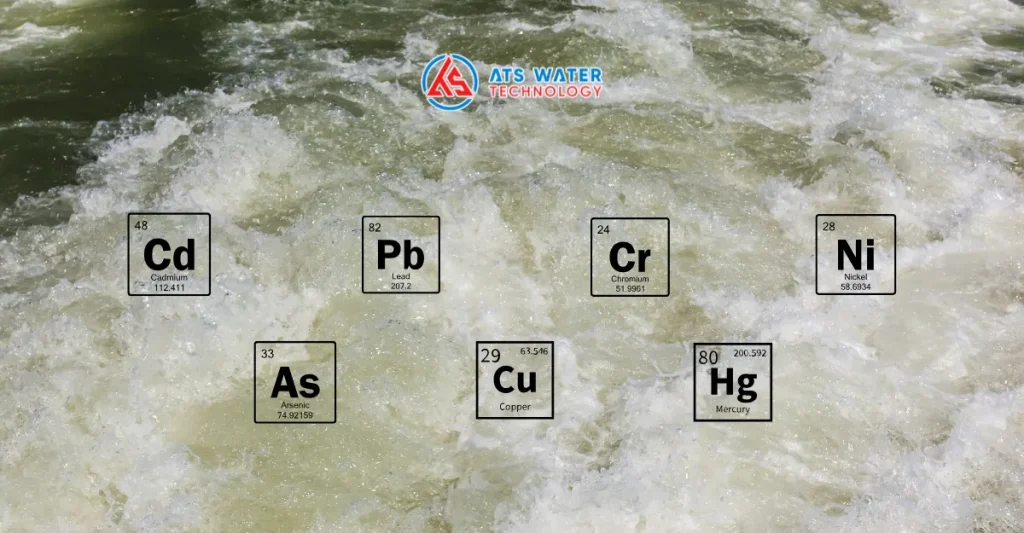
Heavy metals are a group of inorganic elements with high density (typically greater than 5 g/cm³) and significant toxicity to living organisms, even at very low concentrations. In contaminated water environments, common heavy metal ions include Chromium (Cr(VI)), Cadmium (Cd²⁺), Lead (Pb²⁺), Arsenic (As(V), As(III)), Mercury (Hg²⁺), Nickel (Ni²⁺), and Copper (Cu²⁺).
These inorganic pollutants may originate from natural processes (such as the weathering of minerals in soils and rocks) or from human activities (such as mining, metallurgy, battery manufacturing, and pesticide production).
1.1. Lead (Pb)
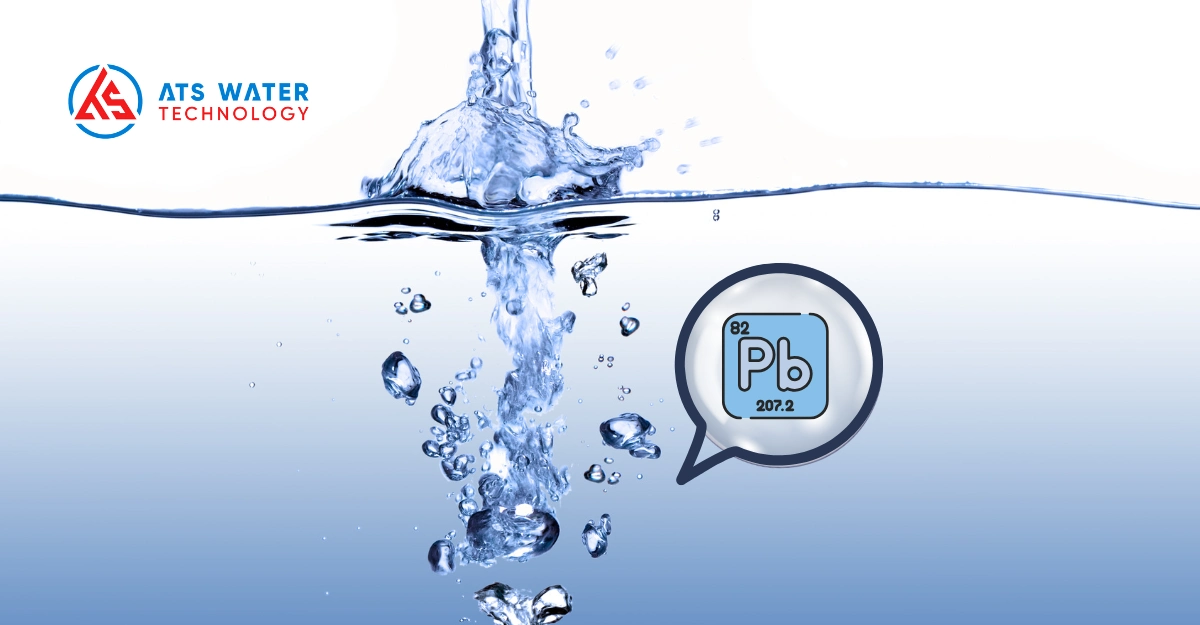
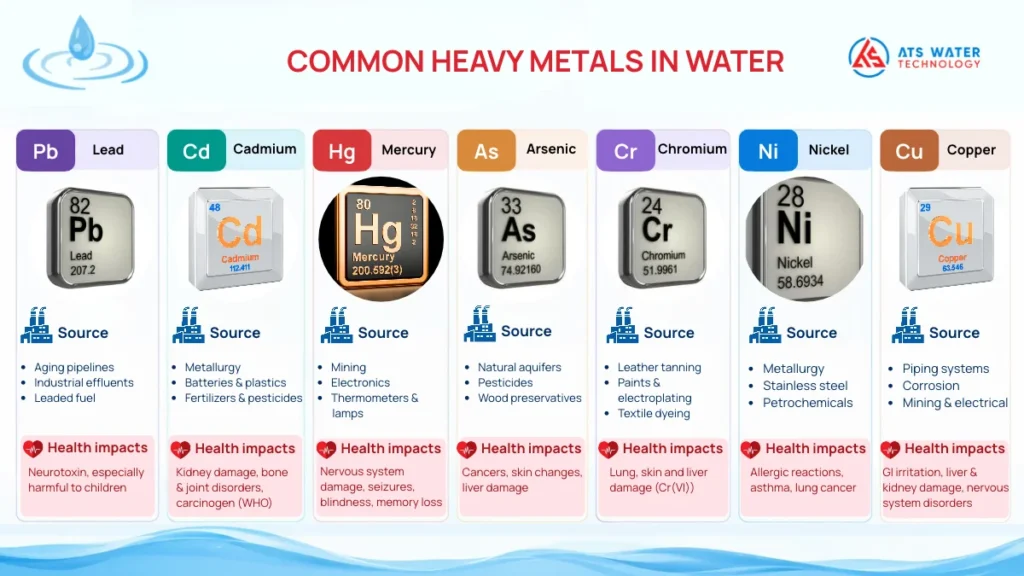
Lead is classified as a highly toxic heavy metal, often found in old piping systems, industrial effluents, or from legacy leaded gasoline. Once dissolved in water, lead ions can enter the human body via ingestion or dermal absorption.
- Sources: Aging pipelines, lead-based paints, wastewater from battery manufacturing, pigments, and leaded fuel.
- Health impacts: A potent neurotoxin, especially dangerous to children. Lead exposure can cause cognitive impairment, behavioral disorders, kidney and liver damage, and cardiovascular diseases.
See also: How to identify lead contamination in water? Effective treatment solutions
1.2. Cadmium (Cd)
Cadmium is commonly found in wastewater from metallurgy, battery production, and fertilizers. It is known as the primary cause of the infamous Itai-Itai disease in Japan.
- Sources: Effluents from metallurgy, battery and plastics industries, phosphate fertilizers, and pesticides.
- Health impacts: Causes kidney damage, bone and joint disorders, and is classified by WHO as a Group 1 human carcinogen.
1.3. Mercury (Hg)
Mercury is one of the most hazardous pollutants due to its volatility and bioaccumulation through the food chain. Methylmercury is the most toxic form, severely affecting the nervous system.
- Sources: Mining activities, electronics industry, thermometers, fluorescent lamps, and the chlor-alkali industry.
- Health impacts: Damages the central nervous system, potentially leading to seizures, blindness, and long-term memory impairment.

1.4. Arsenic (As)
Arsenic is often naturally present in groundwater aquifers, especially in alluvial plains such as those in Vietnam, Bangladesh, and India.
- Sources: Naturally occurring in aquifers, pesticides, wood preservatives, and metallurgical processes.
- Health impacts: Associated with cancers (skin, lung, bladder), skin pigmentation disorders, and liver damage.
1.5. Chromium (Cr)
Chromium exists mainly as Cr(III) and Cr(VI) in water, with Cr(VI) being far more toxic and carcinogenic.
- Sources: Leather tanning, paint manufacturing, electroplating, and textile dyeing.
- Health impacts: Hexavalent chromium is a strong carcinogen, causing severe damage to the lungs, skin, and liver.
1.6. Nickel (Ni)
Nickel is widely used in industrial alloys, batteries, and catalysts, and can enter drinking water and food through environmental contamination.
- Sources: Metallurgy, stainless steel production, petrochemical industry, and electronics manufacturing.
- Health impacts: Causes allergic reactions, asthma, and lung cancer with prolonged exposure.
1.7. Copper (Cu)
Copper is an essential trace element for humans, but at elevated concentrations it becomes toxic. It often enters water through pipe corrosion or leaching from copper plumbing.
- Sources: Copper piping systems, corrosion of plumbing materials, effluents from electrical industries and mining.
- Health impacts: At high levels, copper causes gastrointestinal irritation, liver and kidney damage, and nervous system disorders.
2. The effects of heavy metals in water on industrial businesses
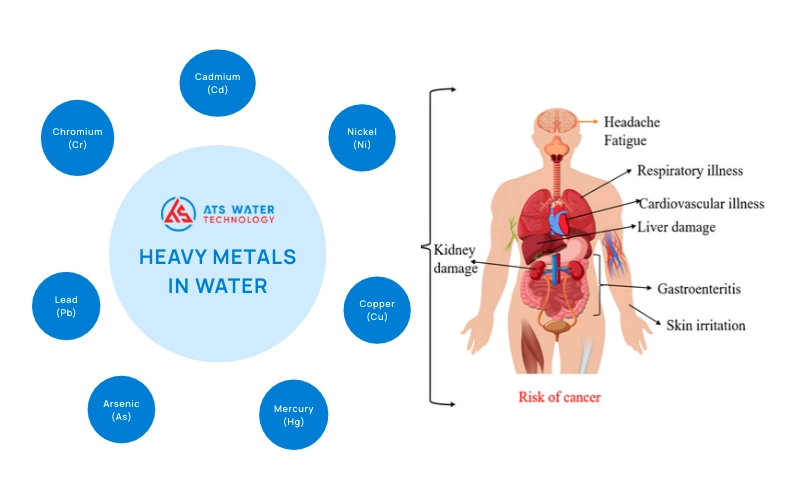
Heavy metal contamination in water not only threatens public health but also severely disrupts business operations. Problems arising from contaminated water increase operating costs and may result in legal violations, reputational damage, and significant financial losses.
2.1. Impact on production processes
Using water with heavy metals in industrial processes can disrupt the entire operation chain:
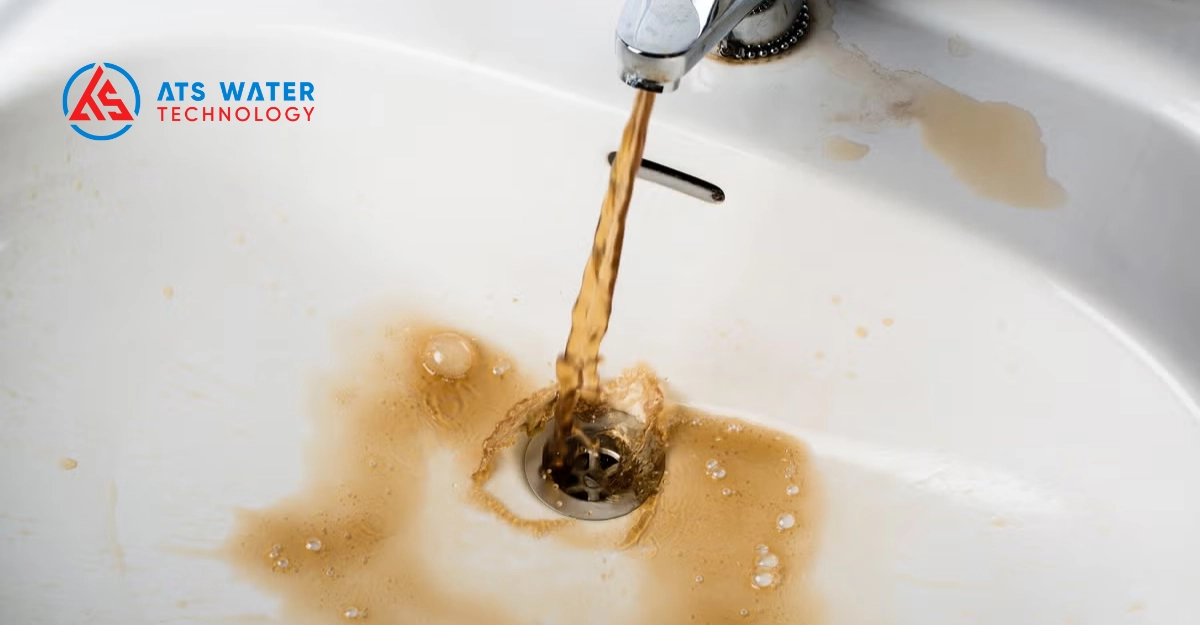
- Equipment corrosion: Heavy metals can react with and damage metal surfaces in pipelines, heat exchangers, and storage tanks, forcing companies to replace equipment prematurely.
- Contaminated end products: In industries such as food & beverage, pharmaceuticals, and electronics, water purity is critical. Heavy metals can cause product defects or even damage sensitive production equipment.
- Increased water treatment costs: Managing heavy metal contamination requires complex filtration systems, substantial capital investment, and highly skilled operation.
2.2. Risks to employee health and safety
Workers may be directly exposed to toxic heavy metals through inhalation, skin contact, or consumption of contaminated water. Consequences include:
- Higher risks of chronic diseases such as neurological disorders and liver/kidney damage.
- Reduced productivity and potential reproductive health issues.
- Increased absenteeism, medical expenses, and social insurance costs for businesses.
2.3. Regulatory compliance and legal risks
Failure to properly control the quality of intake and discharge water can expose businesses to serious legal consequences:
- Product recalls: Products found to contain heavy metals above permissible levels may be recalled, destroyed, and subject to compensation claims.
- Environmental regulation violations: Companies discharging wastewater exceeding QCVN 40:2011/BTNMT standards risk administrative penalties, suspension of operations, or even criminal liability.
- Reputation damage: In today’s fast-paced media landscape, any environmental violation can spread quickly, severely harming brand image and customer trust.
3. Methods for detecting heavy metals in water
To safeguard production and consumer health, testing for heavy metals in water is indispensable. Common methods include:
- Laboratory analysis (AAS, ICP-MS): Techniques such as Atomic Absorption Spectroscopy (AAS) and Inductively Coupled Plasma Mass Spectrometry (ICP-MS) can precisely detect multiple metals at trace levels (ppb).
- On-site rapid test kits: Designed for quick, qualitative, or semi-quantitative screening. These kits are useful for field monitoring or preliminary assessments.
- Online sensor systems: Installed directly into treatment systems, enabling continuous monitoring of metal concentrations, early incident detection, and automated alerts.

4. Effective methods for treating heavy metal contaminated water
Water contaminated with heavy metals requires specialized treatment solutions to completely remove harmful metal ions and ensure compliance with discharge or product water standards. Each treatment method has its own operating principle and suitability for specific applications. Below are the most widely used and effective technologies applied today.
4.1. Industrial RO systems
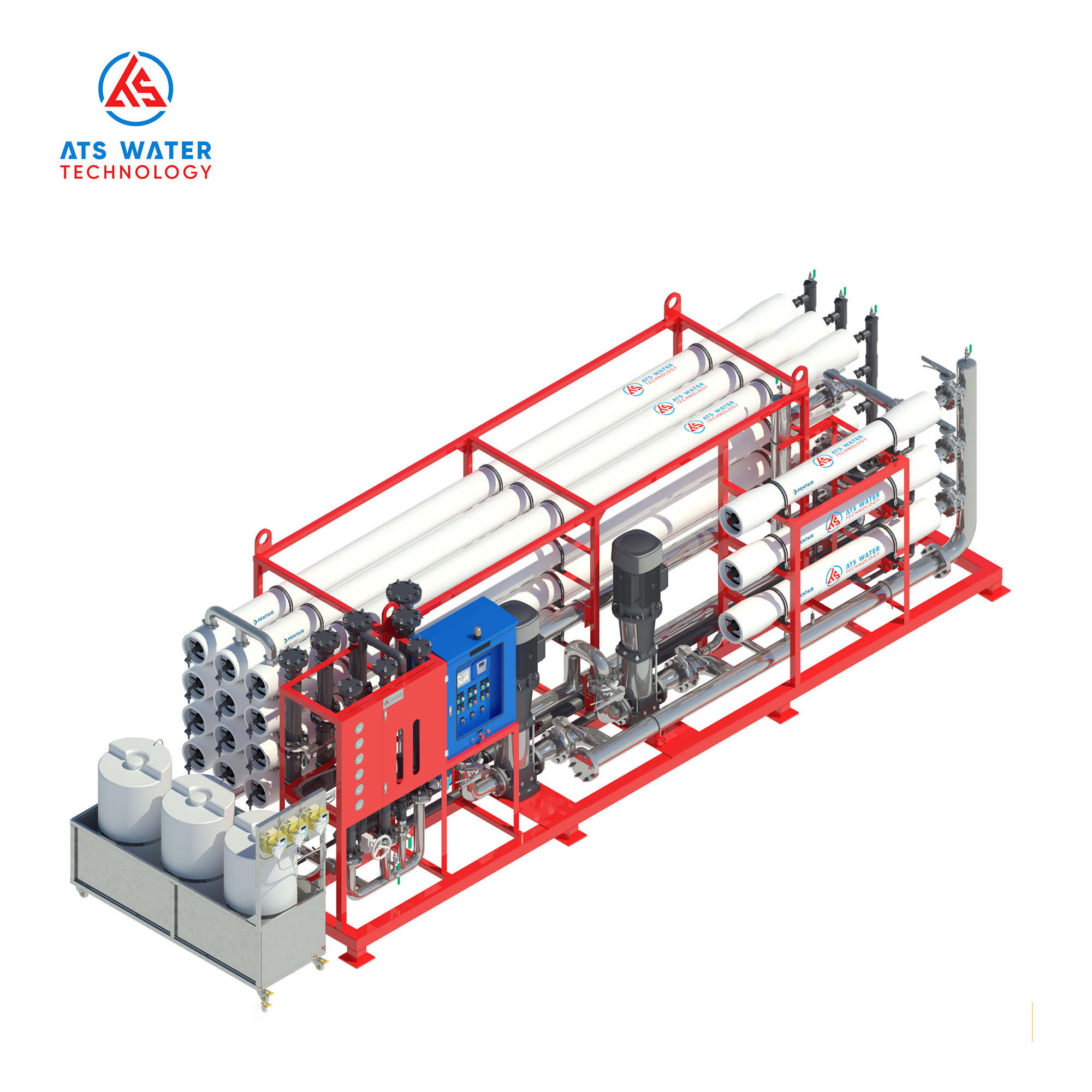
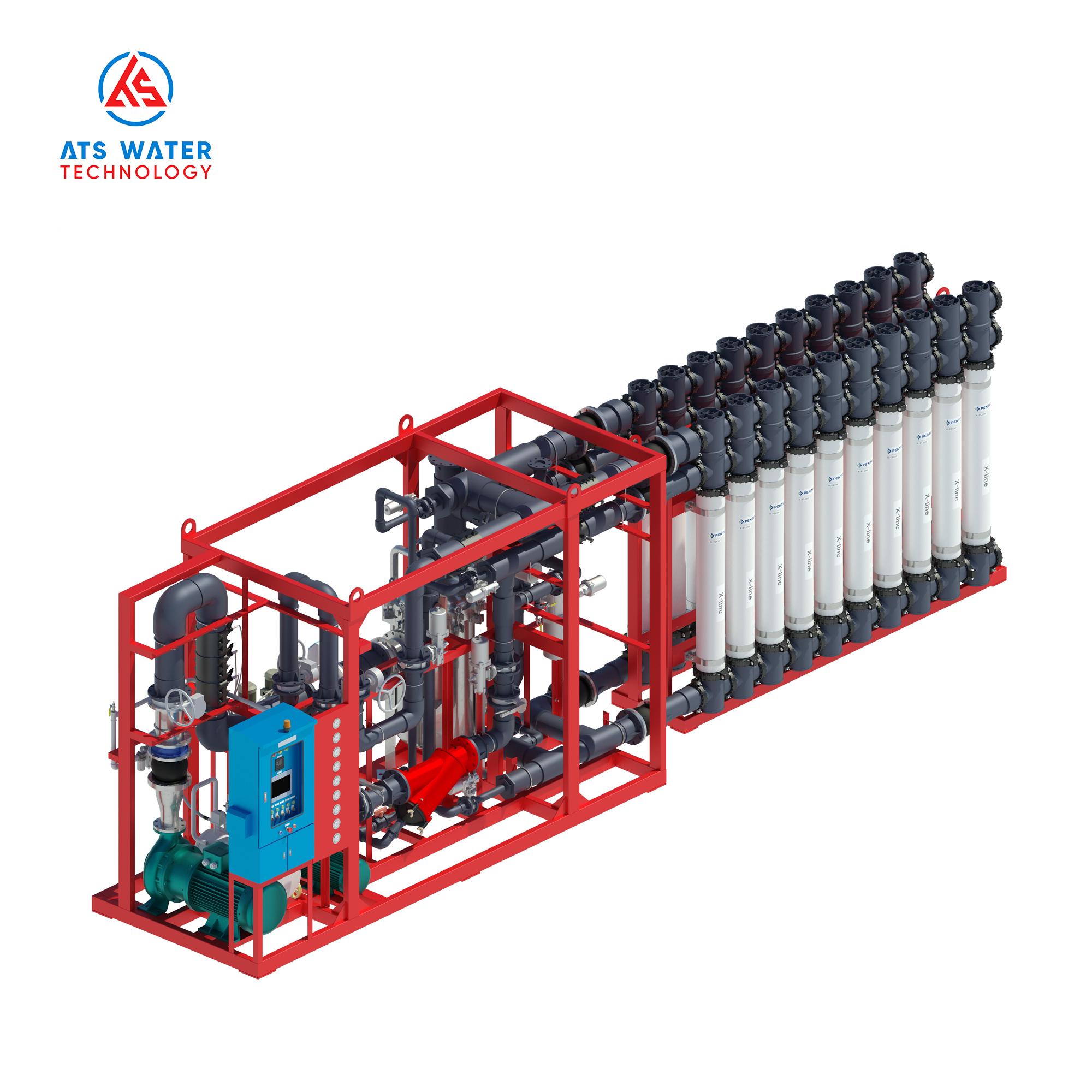
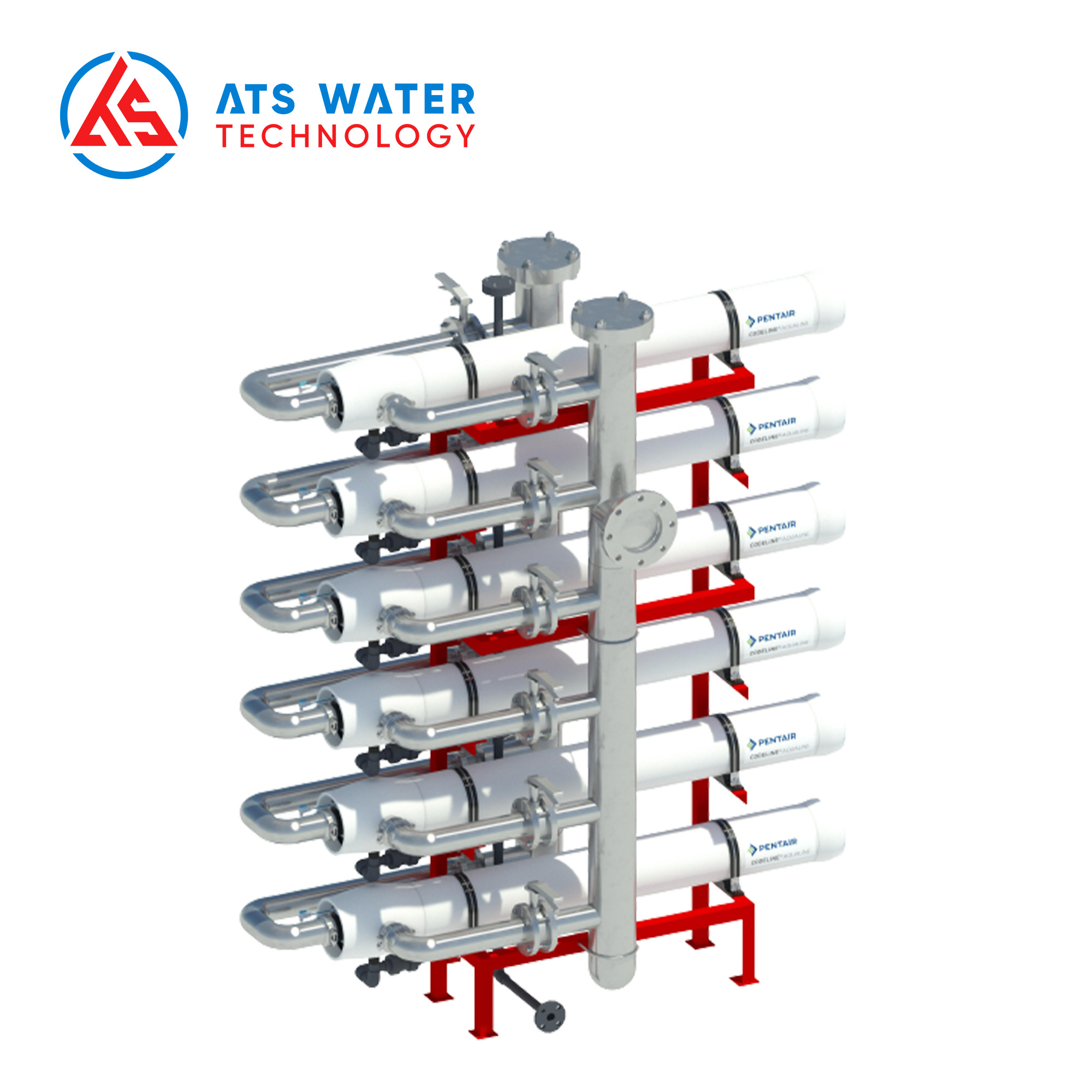
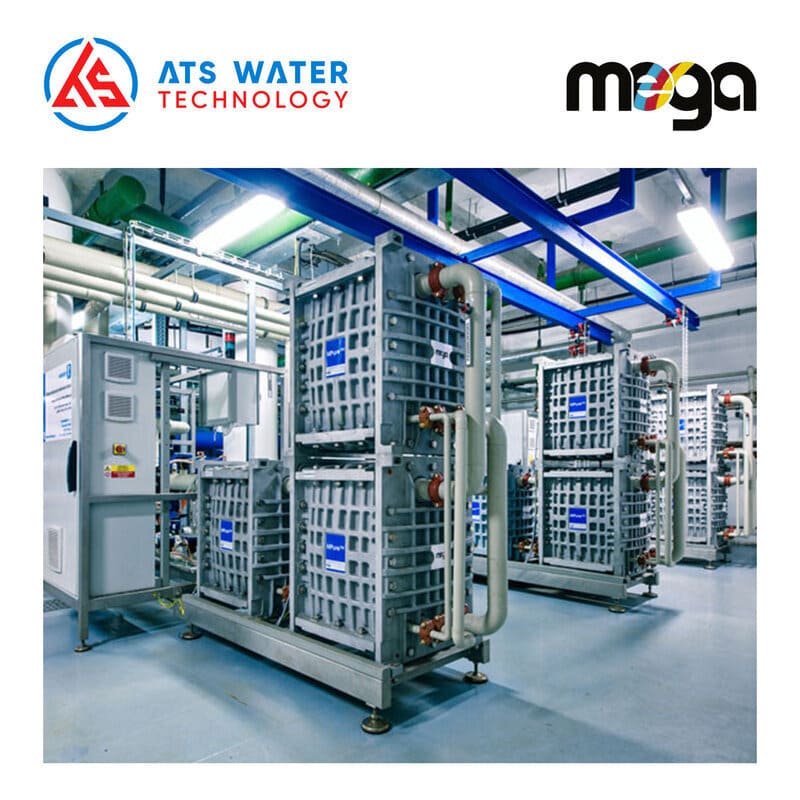
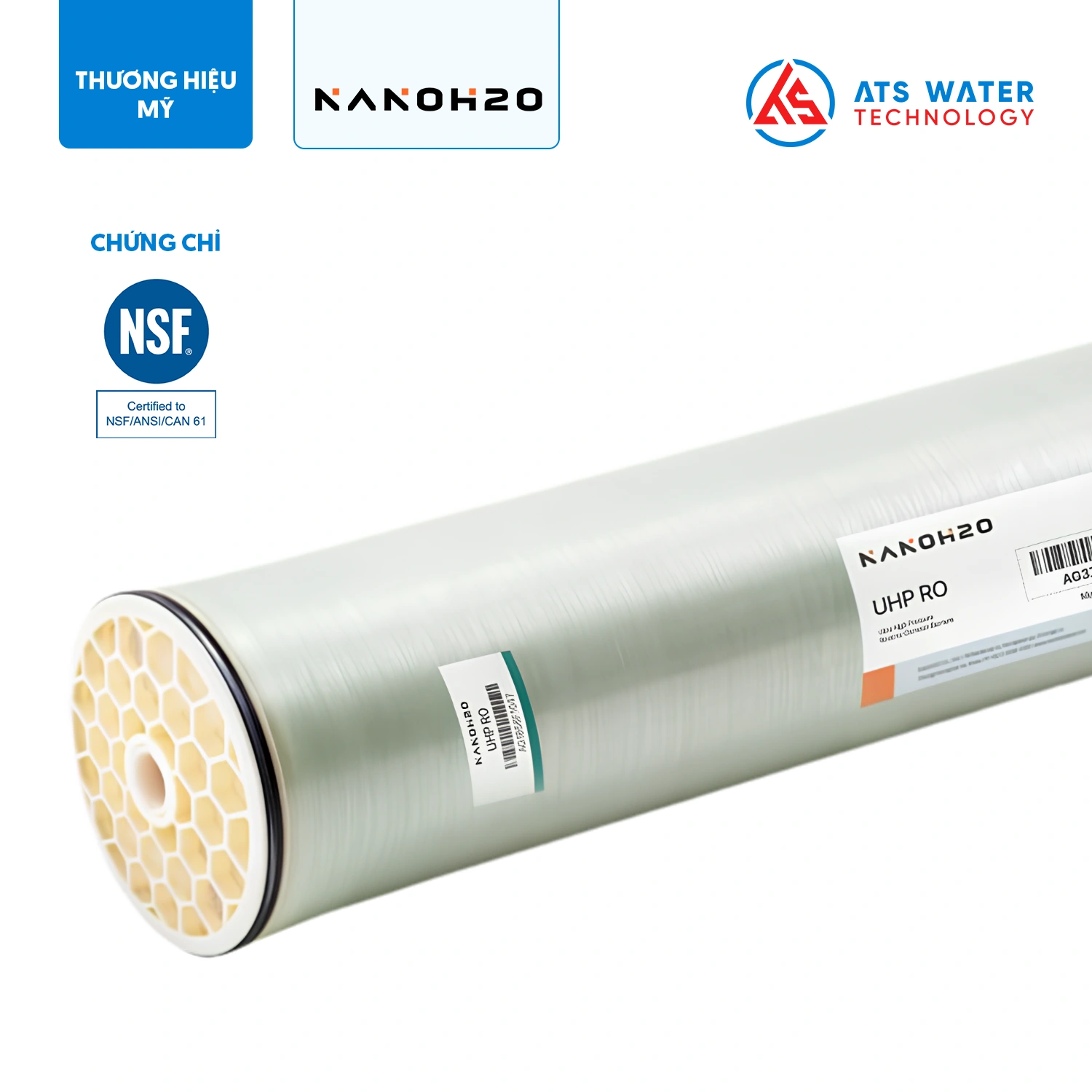
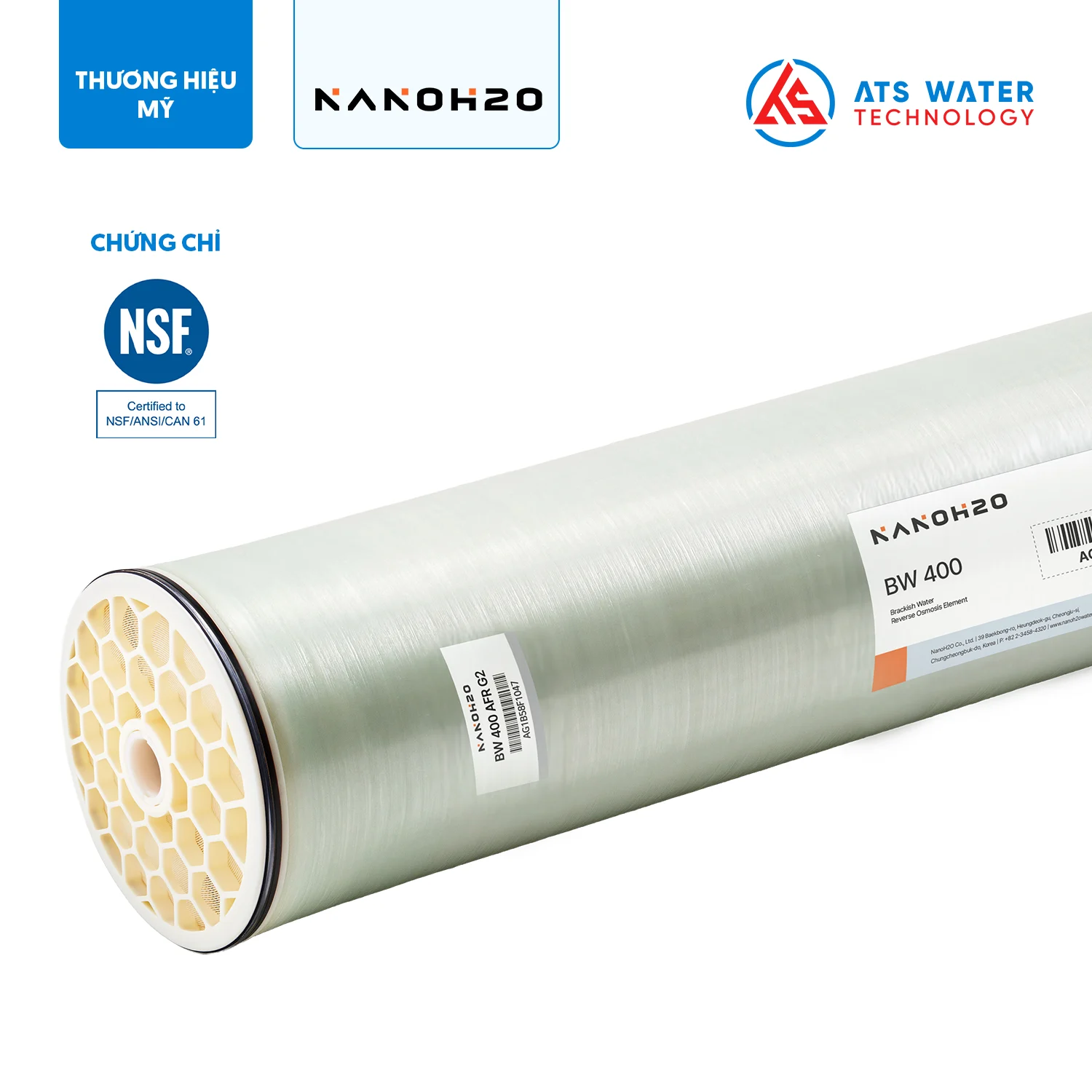
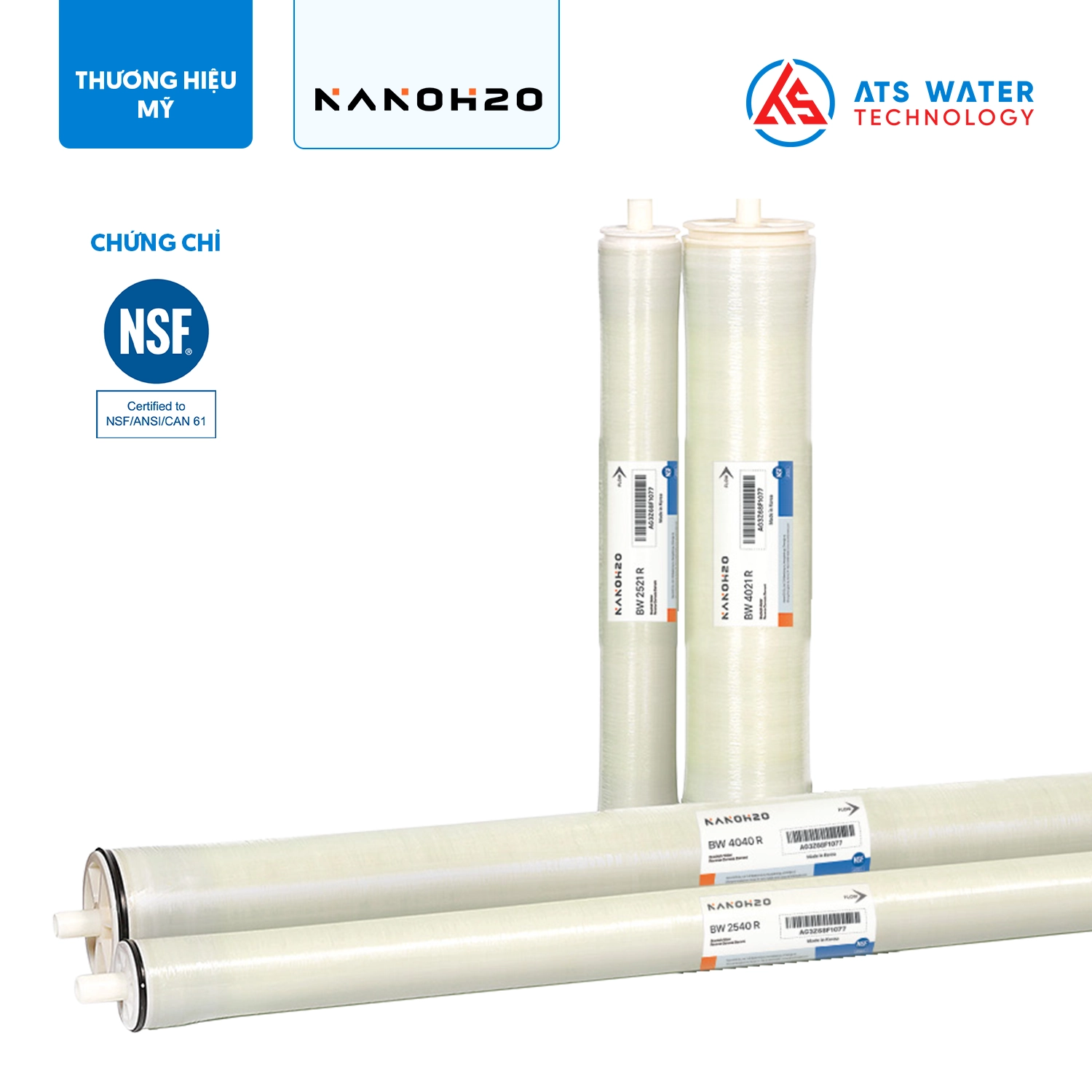
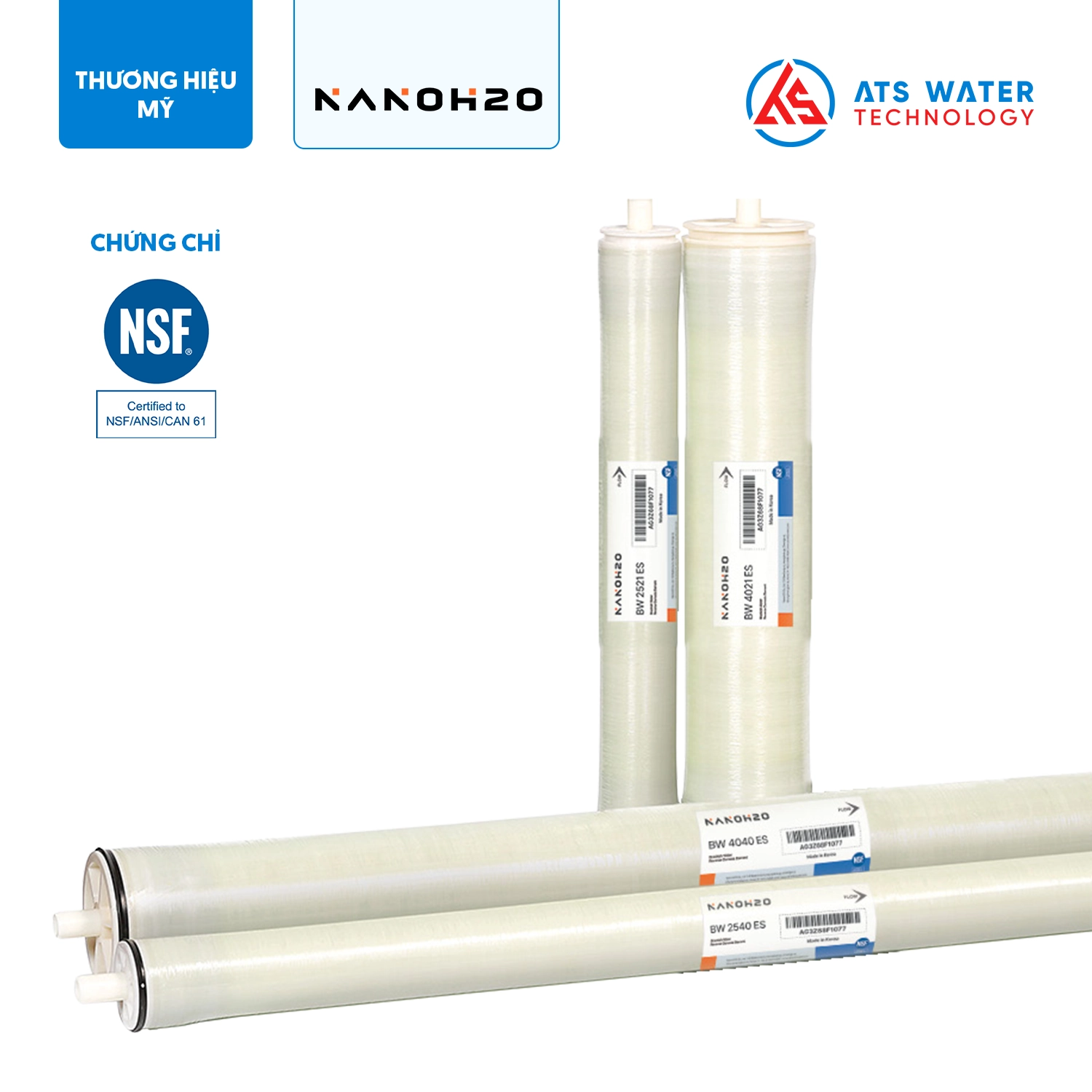
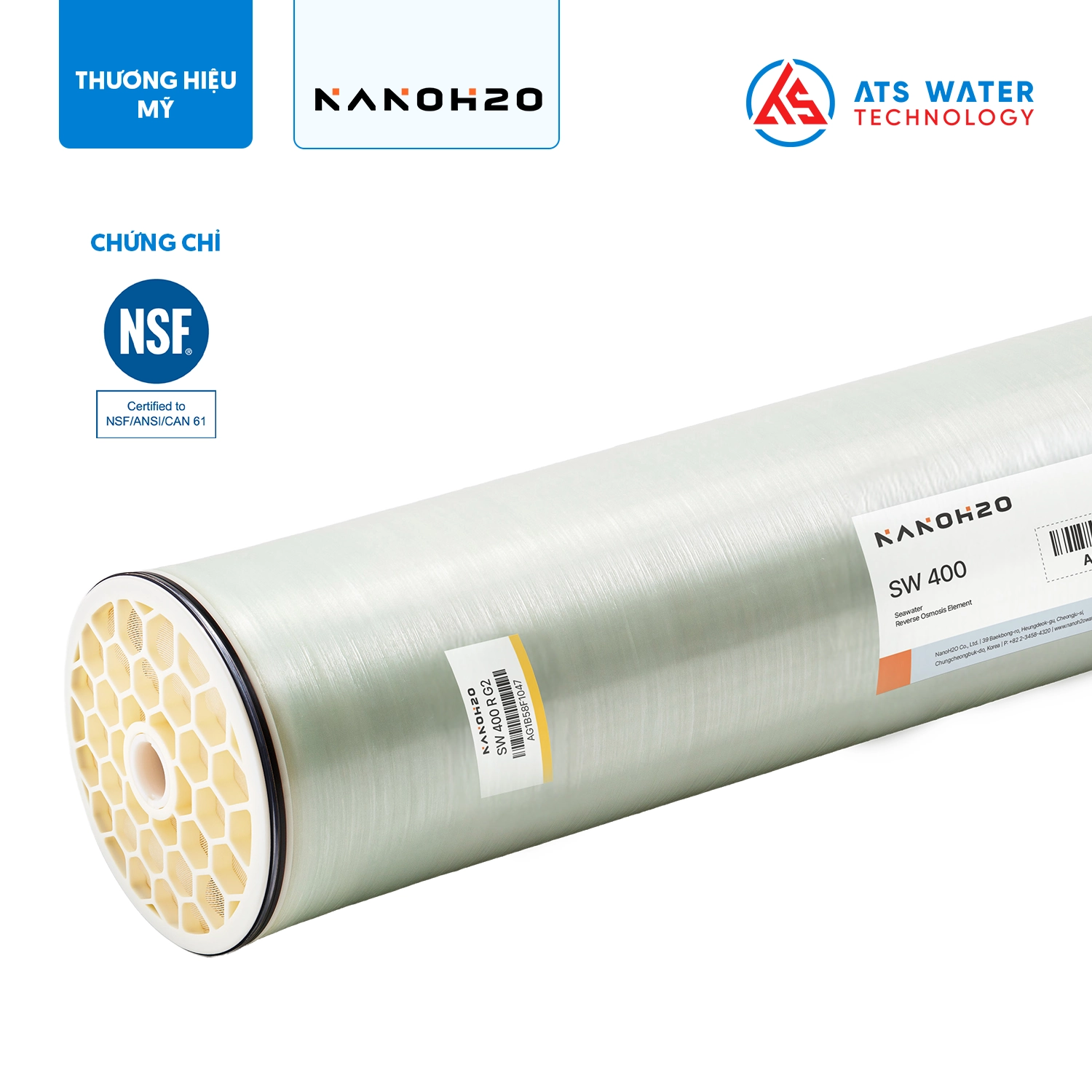
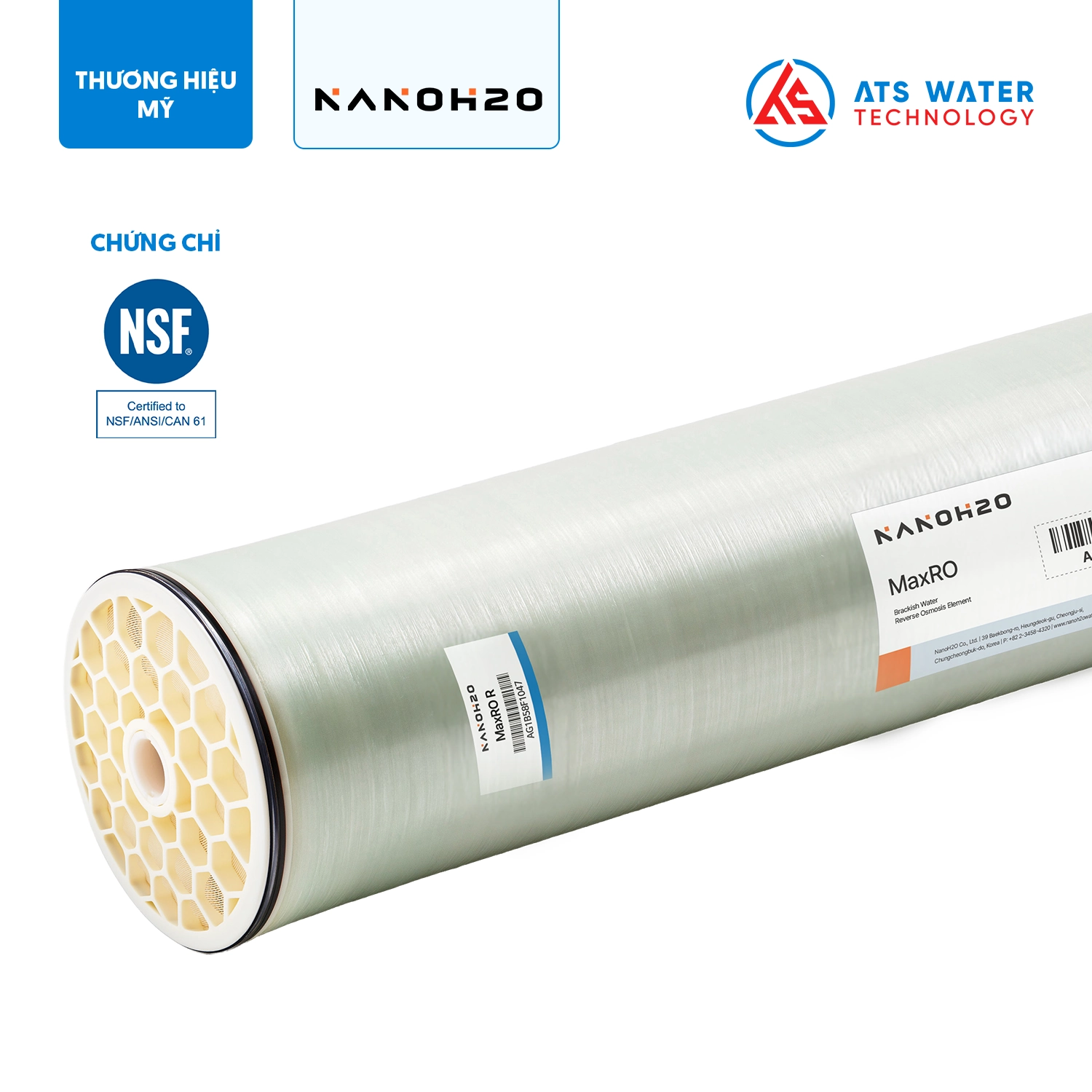
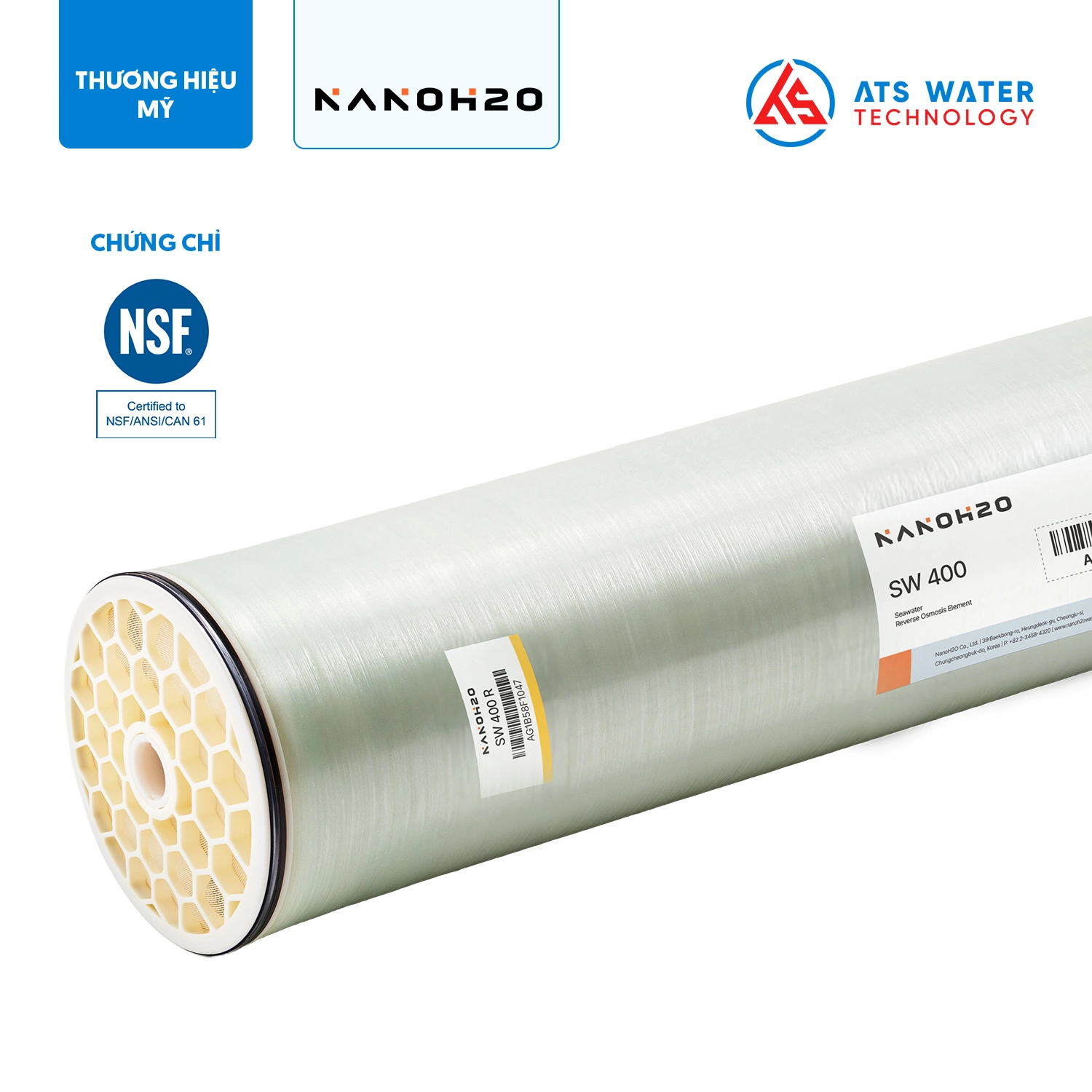
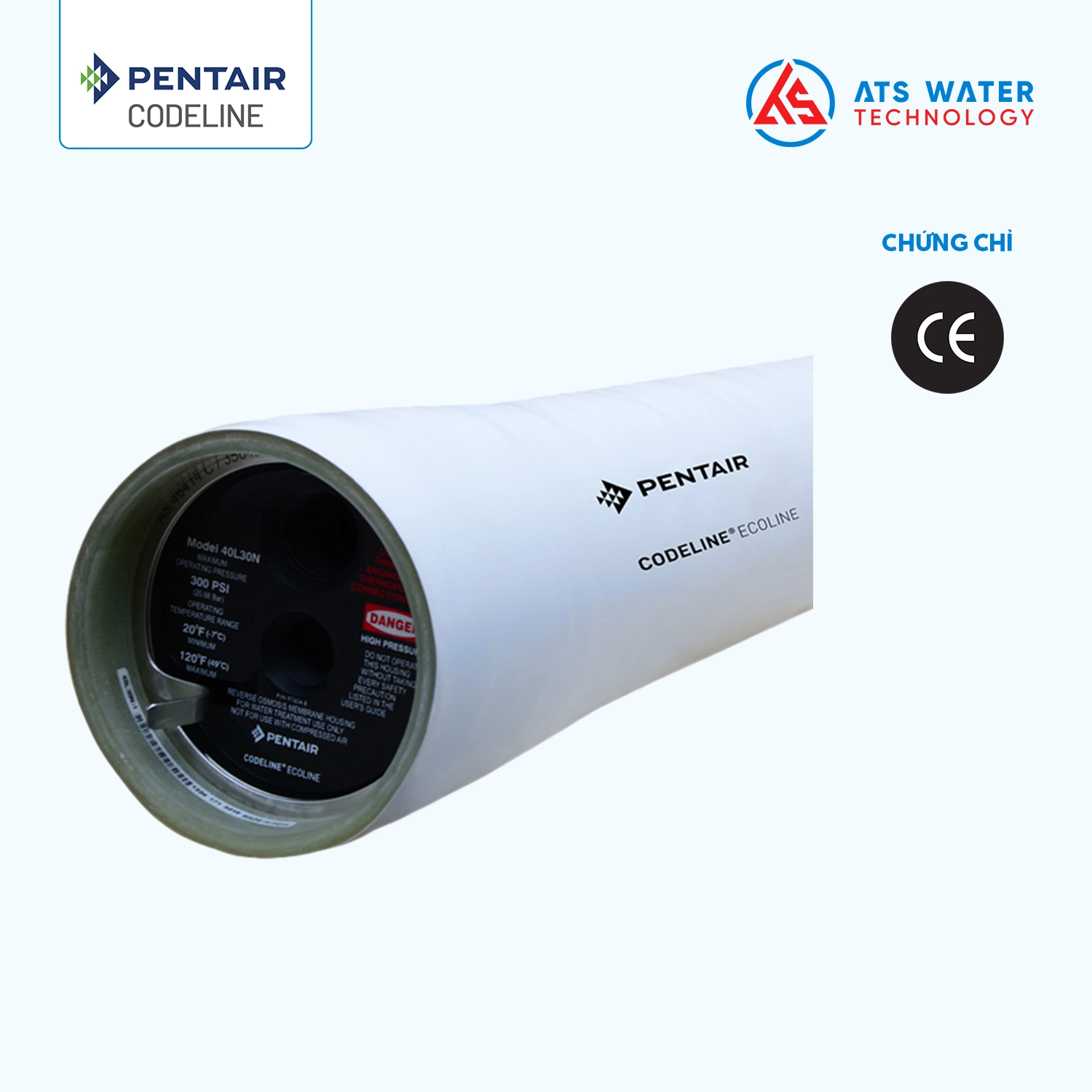
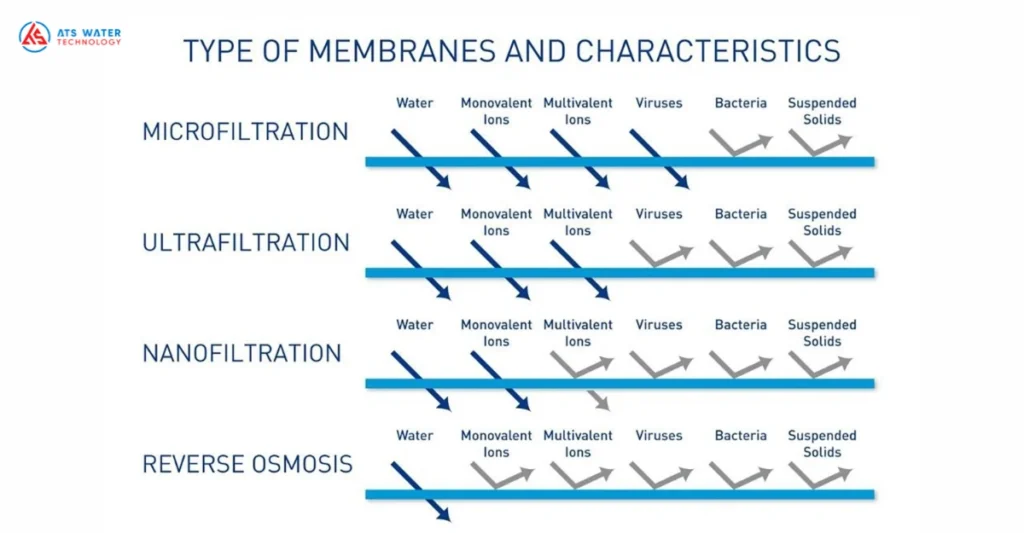
Reverse Osmosis (RO) is one of the most effective methods for filtering heavy metals from water. This process uses a semi-permeable membrane to eliminate metal ions, dissolved salts, impurities, and microorganisms. Under high pressure, water passes through the RO membrane while heavy metals and contaminants are retained.
4.2. Ion exchange
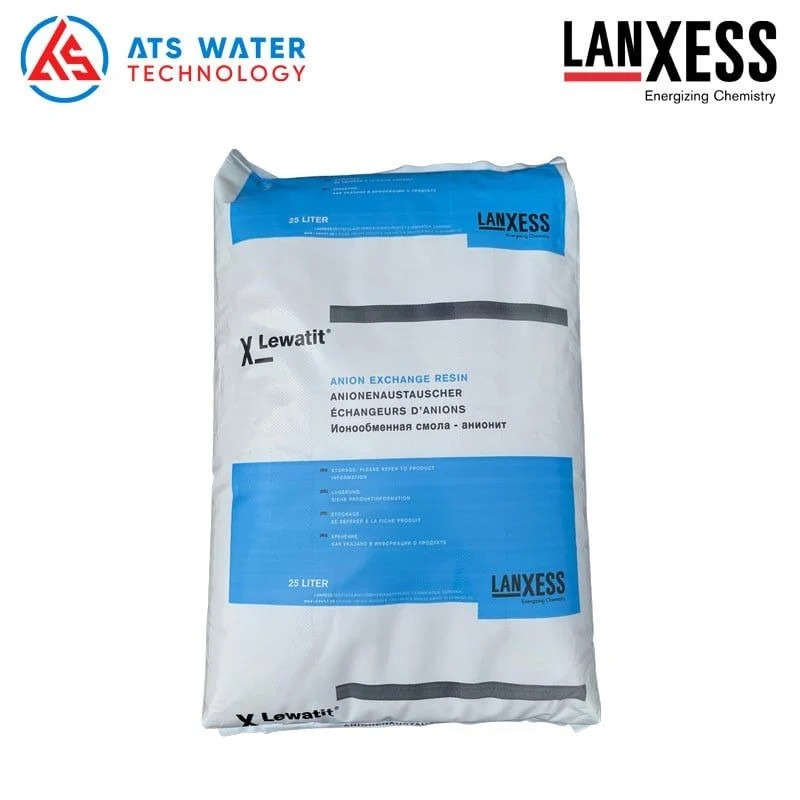
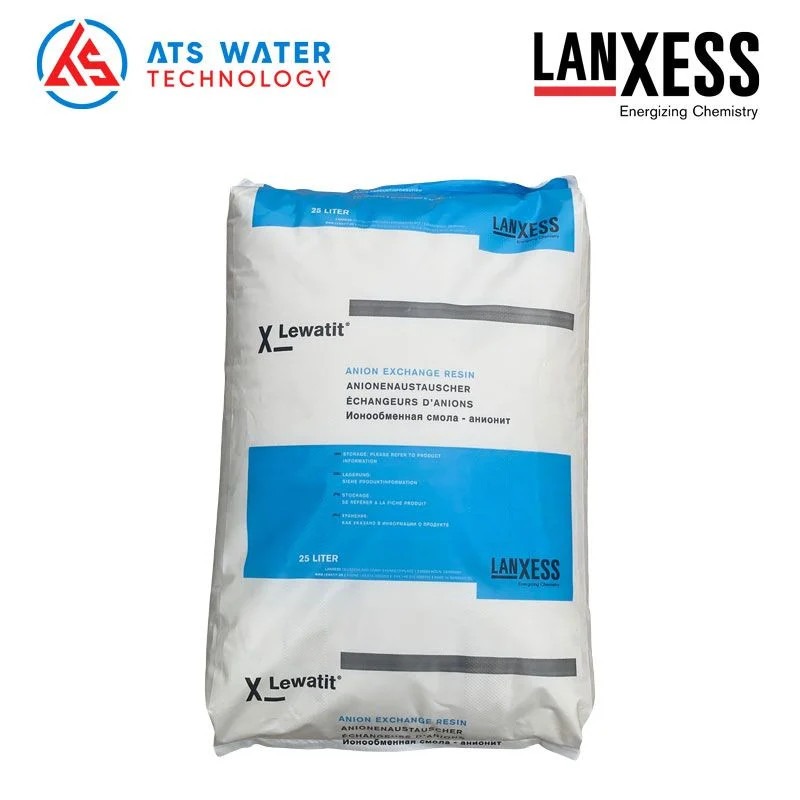
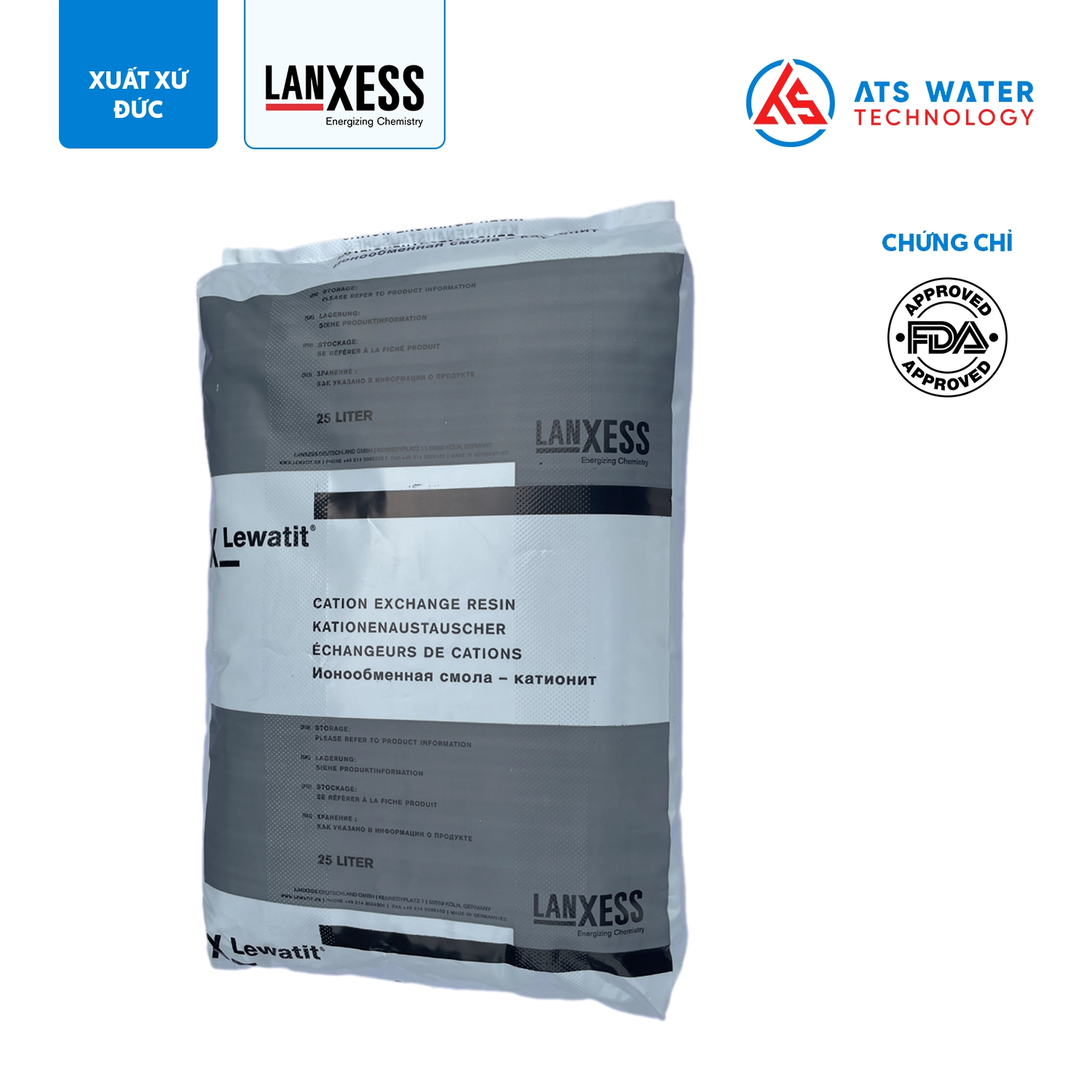
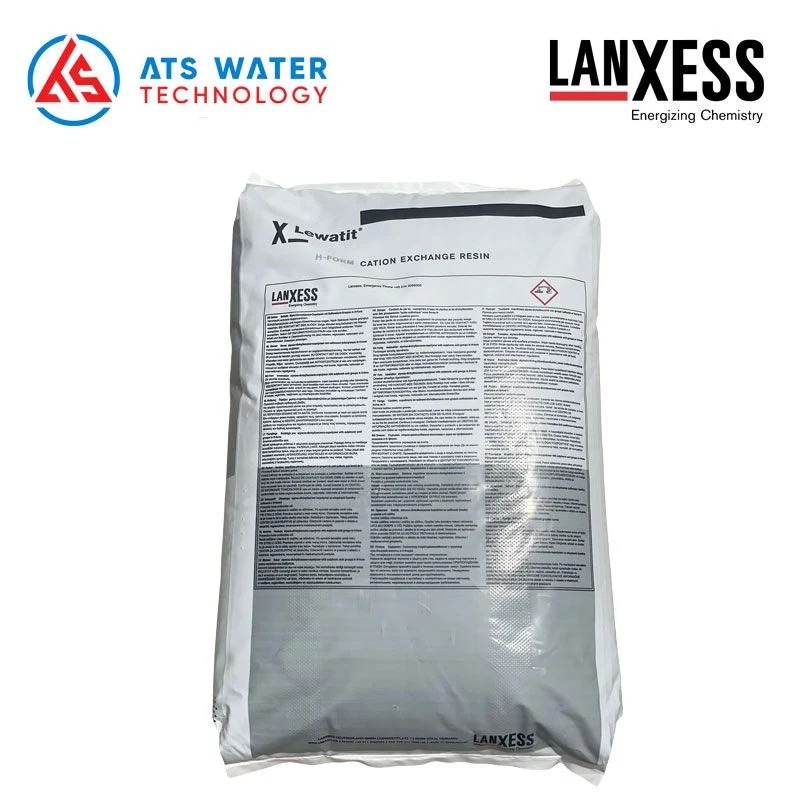
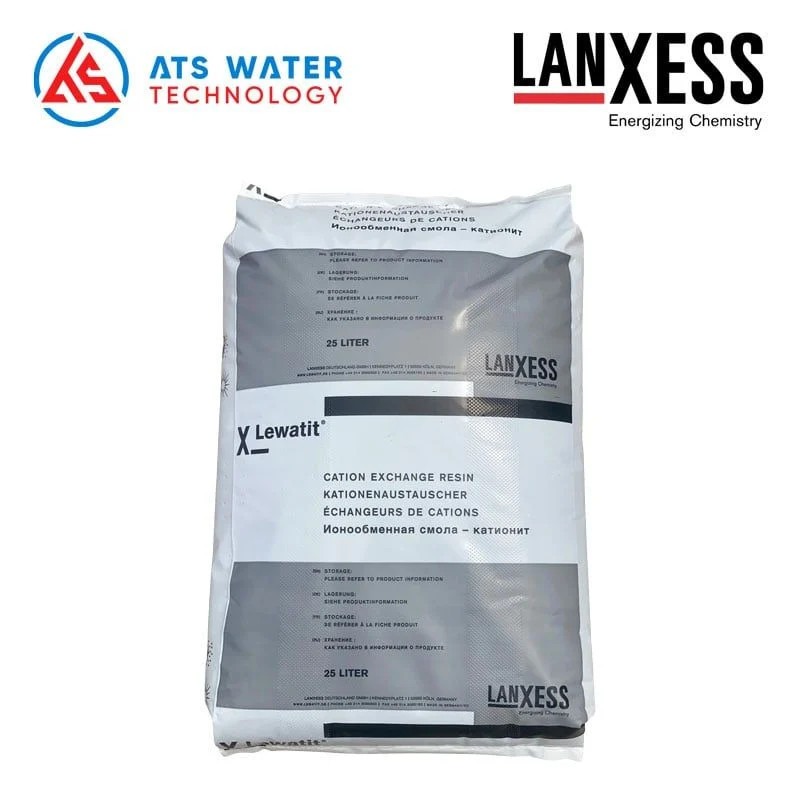
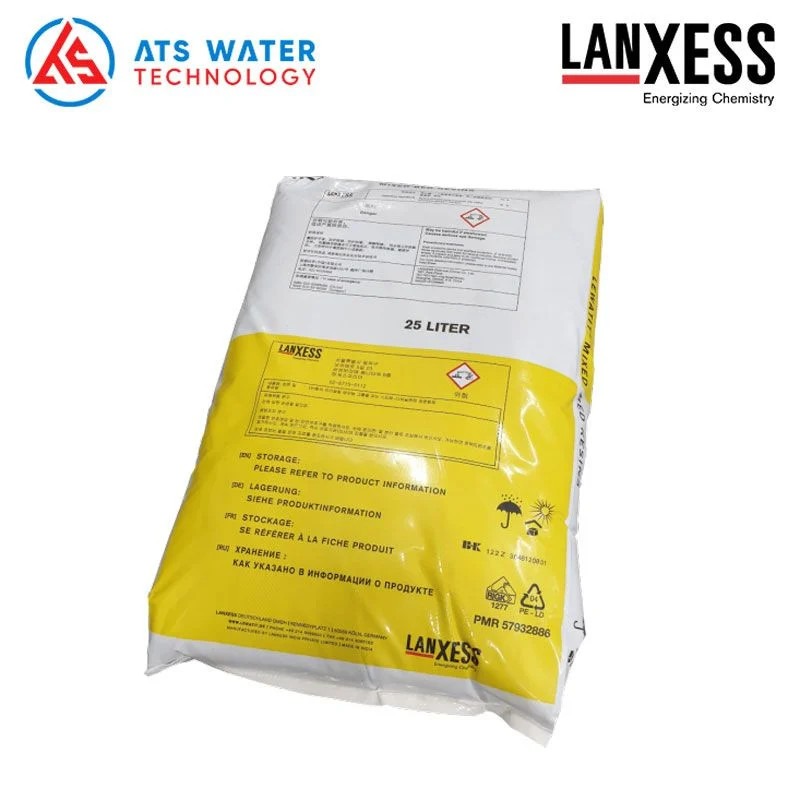
This method uses ion exchange resins to replace heavy metal ions such as Pb²⁺ or Cu²⁺ with harmless ions such as Na⁺ or H⁺. The process is fast, highly efficient for water with low to moderate metal concentrations, and resins can be regenerated, extending service life and reducing operating costs.
4.3. Chemical precipitation
By adding reagents such as NaOH, Ca(OH)₂, or Na₂S, heavy metal ions react to form insoluble precipitates (e.g., hydroxides or sulfides). These precipitates can then be removed through sedimentation and filtration.
4.4. Adsorption
The adsorption process uses porous materials such as activated carbon, zeolite, biochar, or nanomaterials to capture heavy metal ions. Removal is based on electrostatic attraction or chemical bonding between the material surface and metal ions. This is an environmentally friendly and easily deployable solution.

4.5. Oxidation
Chemical oxidation with agents such as chlorine, ozone, or potassium permanganate transforms heavy metals into less toxic or more easily precipitated forms. For example, arsenic (As(III)) can be oxidized into As(V), which can then be removed through adsorption or precipitation. This method is often used as a pretreatment step for groundwater.
4.6. Biological Methods
Biological treatment employs bacteria or algae capable of accumulating or transforming heavy metals into less toxic forms. Sulfate-reducing bacteria, for instance, can precipitate metals as sulfides. Although less efficient than physicochemical methods, it is a sustainable approach with minimal secondary waste.
4.7. Electrochemical methods
Electrochemical processes use direct current to remove heavy metals or pollutants via mechanisms such as electro-precipitation, electrocoagulation, or redox reactions at the electrode surface. This technology is highly effective for wastewater containing Cr⁶⁺, Cu²⁺, Zn²⁺, Ni²⁺, and is especially suitable for electroplating, metallurgy, and electronics industries.
Comparison of heavy metal removal methods:
| METHOD | ADVANTAGES | LIMITATIONS | APPLICATIONS |
|---|---|---|---|
| RO Membrane | Removes up to 99.89% of heavy metals; produces high-purity water | High cost; requires frequent maintenance | Drinking water, food & beverage, pharmaceuticals |
| Ion Exchange | Effective at low concentrations; easy to integrate into systems | Requires periodic regeneration; not suitable for very high metal loads | Light industry, domestic water supply |
| Chemical Precipitation | Highly effective at high concentrations; low cost | Produces sludge; requires pH control | Electroplating and metallurgical wastewater |
| Adsorption | Environmentally friendly; simple operation | Adsorbents require regeneration; efficiency decreases over time | Groundwater, domestic water |
| Oxidation | Effective for arsenic, iron, and manganese removal | Risk of by-product formation if not well controlled | Groundwater pretreatment |
| Biological Methods | Stable operation; low operating cost | Slow process; sensitive to environmental conditions | Arsenic treatment, mining wastewater |
| Electrochemical Methods | Highly effective for heavy metals; no additional chemicals required | High initial investment; requires suitable electrode materials | Electroplating, electronics, metallurgy wastewater |
5. Frequently asked questions about heavy metal contamination in water
What are the common heavy metals found in water?
Common heavy metals found in water include lead (Pb), cadmium (Cd), mercury (Hg), arsenic (As), chromium (Cr), nickel (Ni), and copper (Cu).
What are the main causes of heavy metal contamination in water?
Some common causes include industrial wastewater, mining activities, fertilizers, pesticides, and corrosion from old pipelines.
Which water sources are most likely to be contaminated with heavy metals?
Typical sources include groundwater, rivers near industrial zones, and untreated wastewater.
What are the methods for removing heavy metals from water?
Common treatment methods include reverse osmosis (RO), ion exchange, chemical precipitation, adsorption, oxidation, biological processes, and electrochemical methods—depending on the type and concentration of metals.
In summary, effectively treating heavy metals in water not only ensures safe operation but also helps treatment systems meet discharge standards or achieve water reuse quality. Choosing the right technology allows you to optimize efficiency, reduce costs, and minimize legal risks. Contact ATS Water Technology Co., Ltd today for expert support and tailored solutions!
ATS WATER TECHNOLOGY CO., LTD
- Head office: 54/18 Bui Quang La, An Hoi Tay Ward, HCMC, Vietnam
- Branch office: 77 DHT10B, Dong Hung Thuan Ward, HCMC, Vietnam
- Consultation and support: (028) 6258 5368 – (028) 6291 9568
- Email: info@atswatertechnology.com
- Social media: Facebook | LinkedIn | YouTube
- Quick contact: Zalo Official | Telegram | WhatsApp