

 Solution
  Technology
  Application





In any Reverse Osmosis (RO) system, distinguishing between low-pressure and high-pressure RO membranes is critical for filtration efficiency, energy use, and membrane longevity. Each type is engineered for specific pressure ranges and feed water qualities. This article by ATS Water Technology explores the definitions and technical nuances of these membranes to help you select the right solution from the outset.
1. What are low-pressure RO membranes?
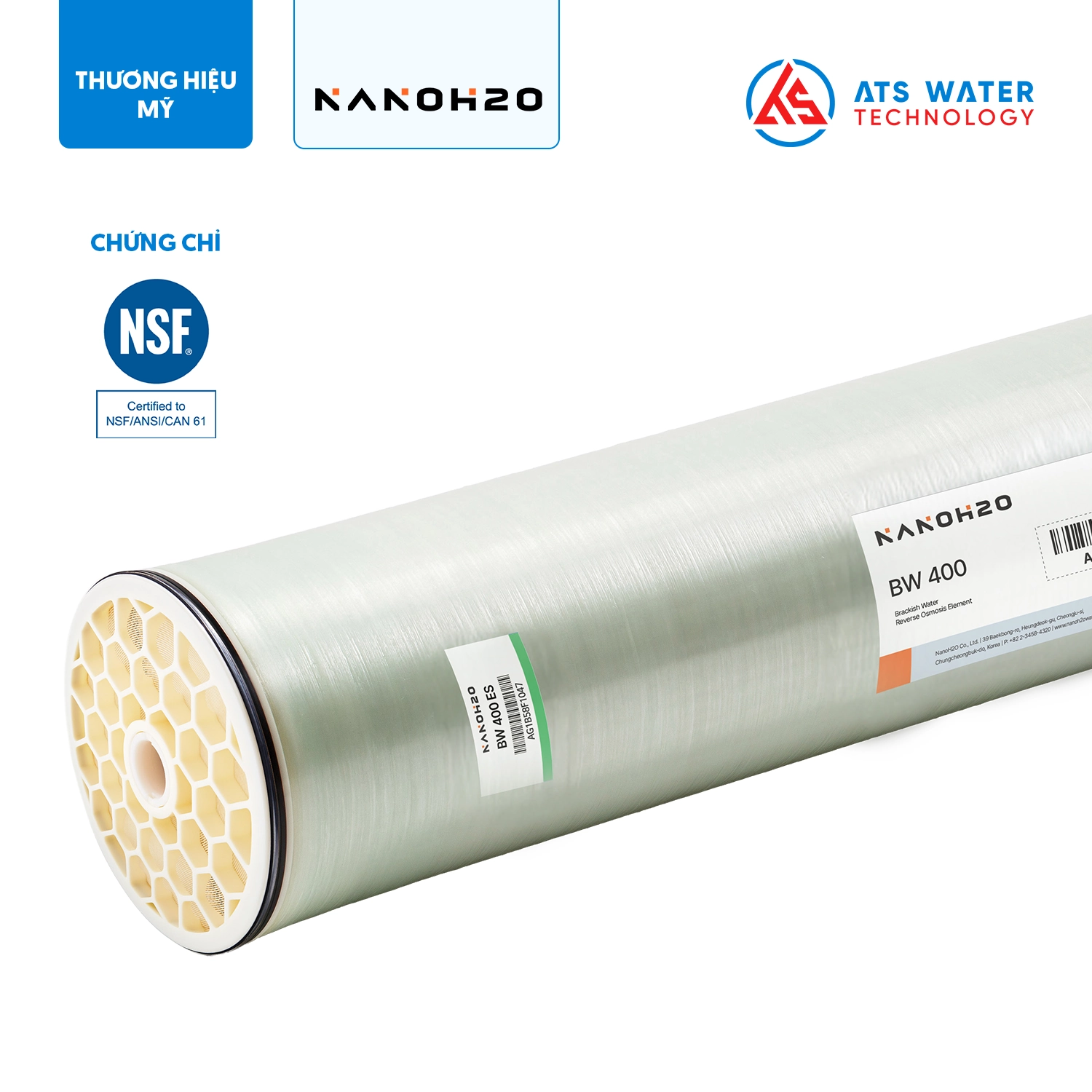
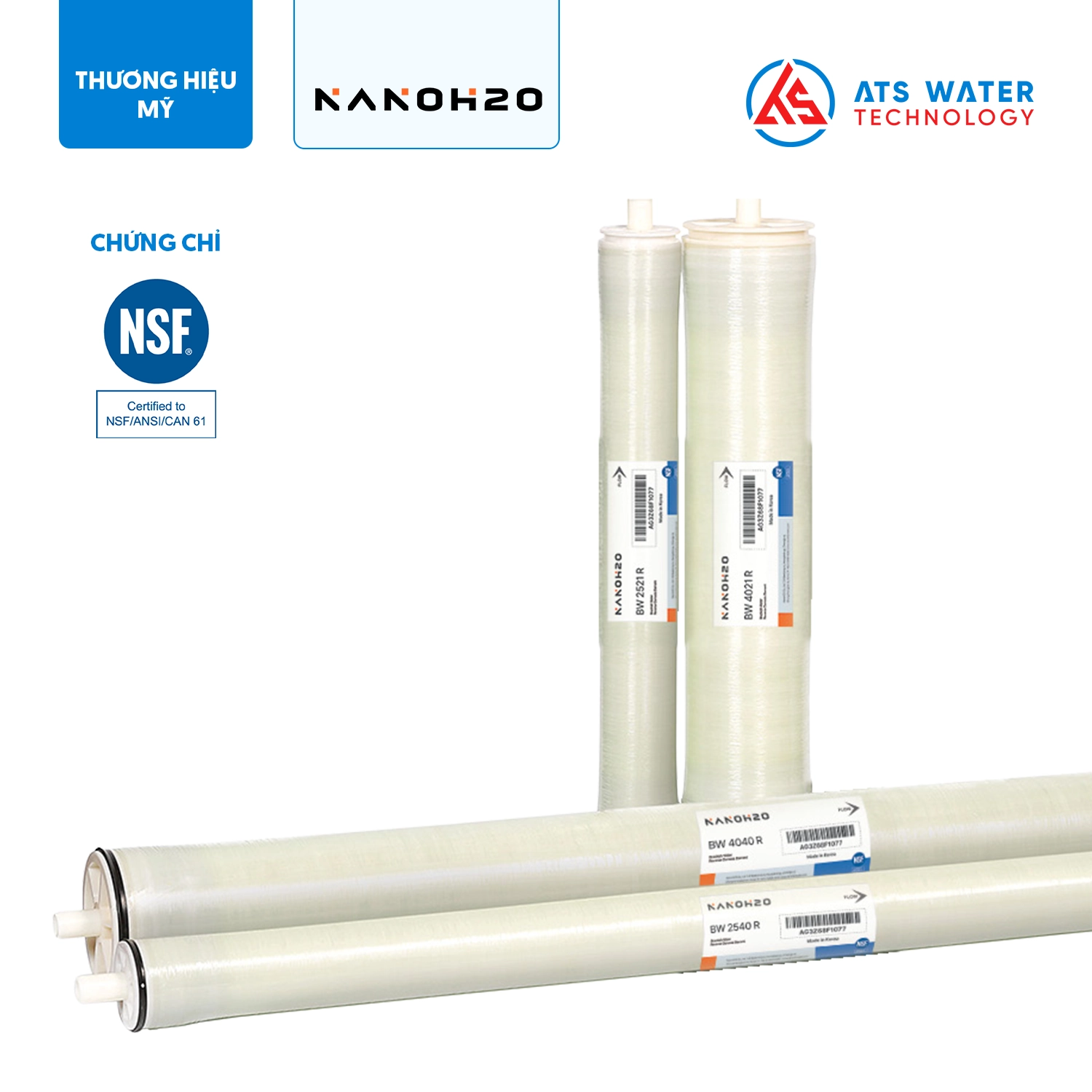
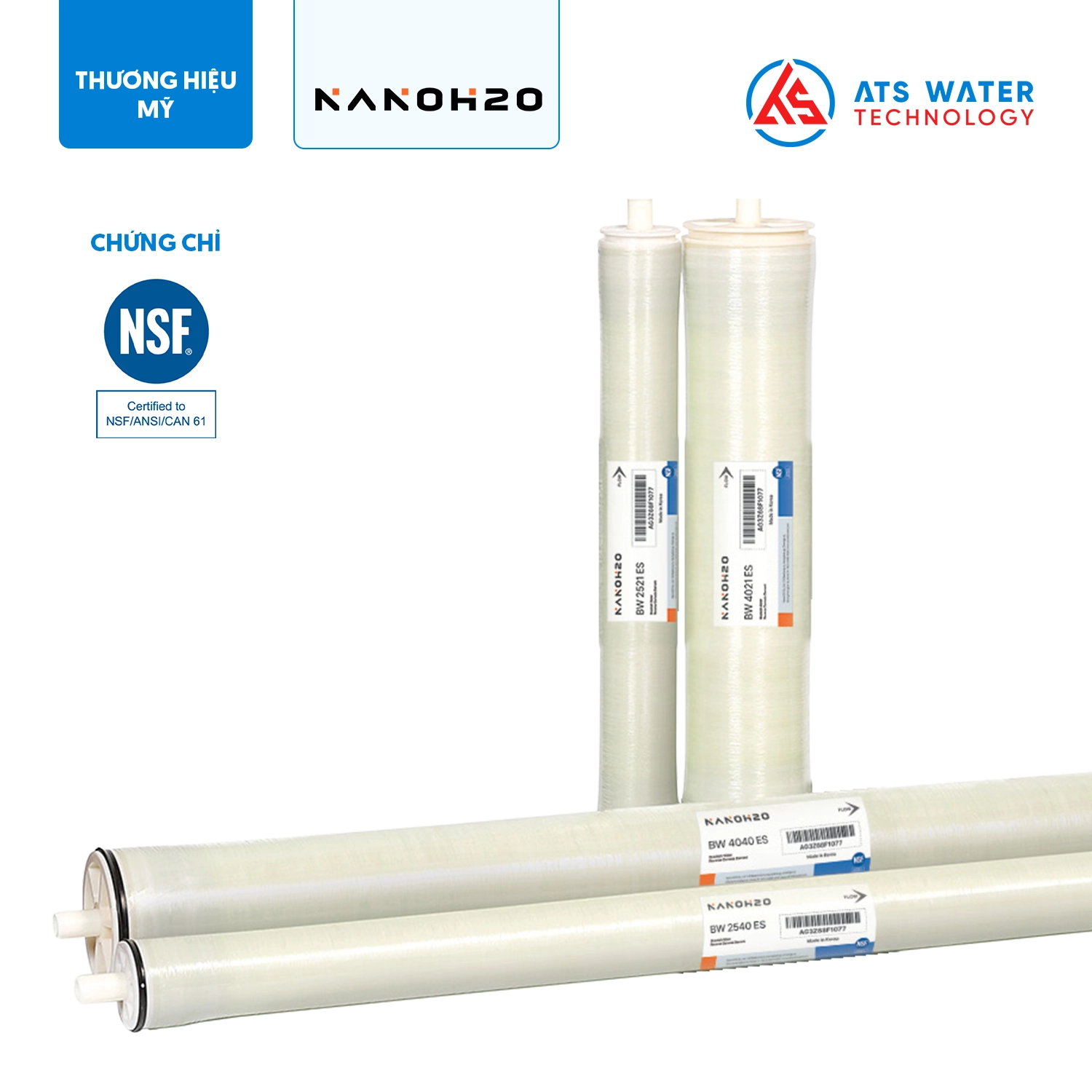
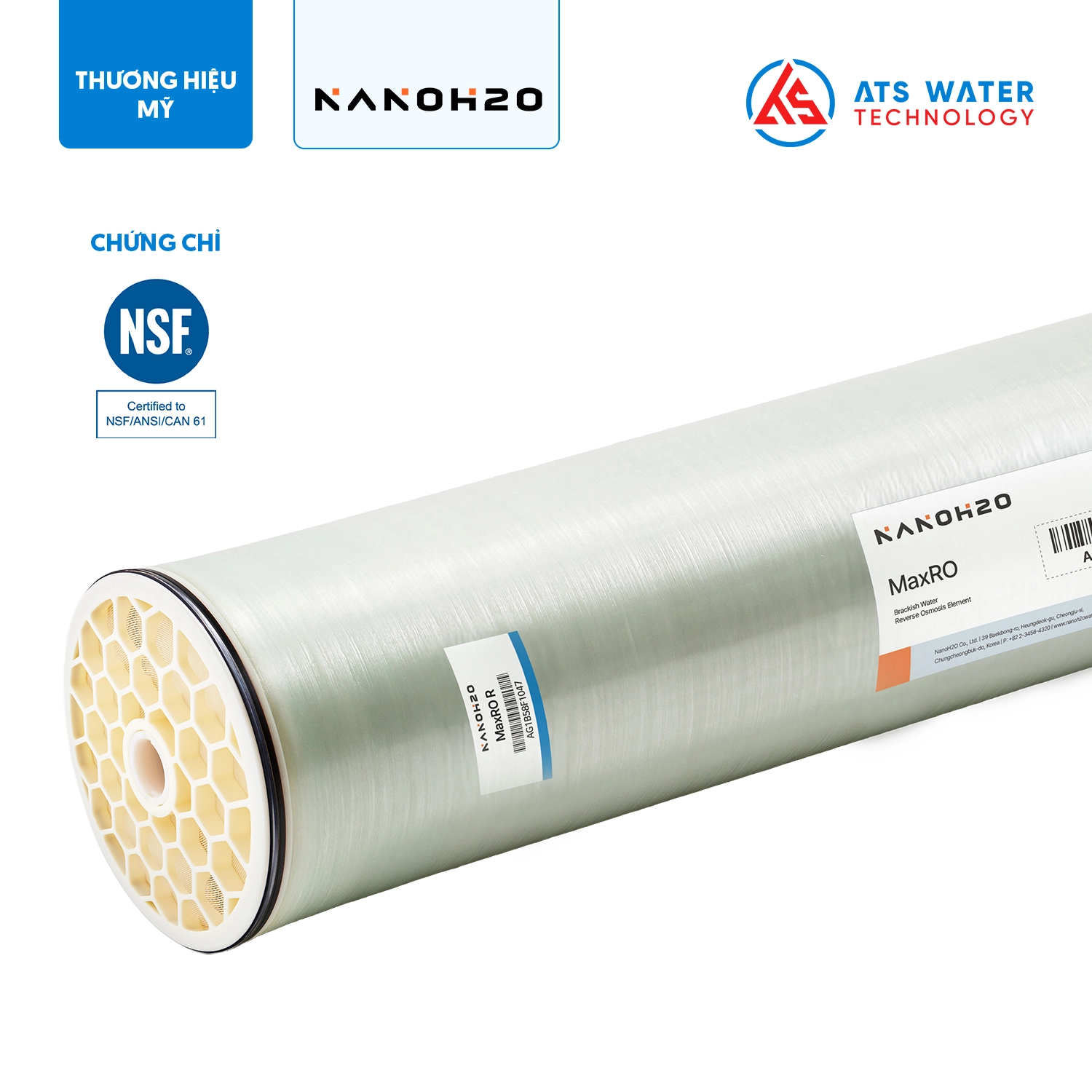
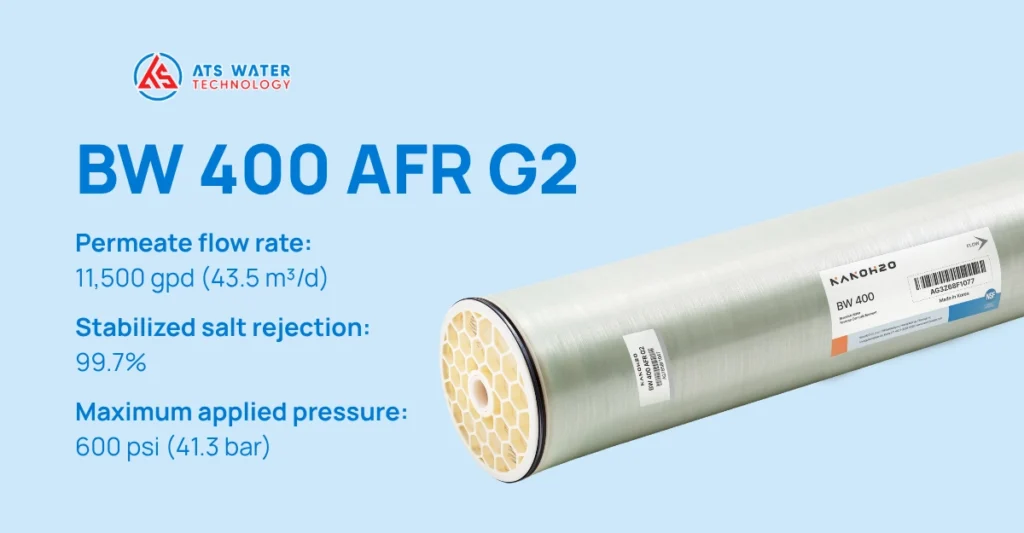
Low-pressure reverse osmosis (LPRO) membranes operate at reduced pressures, typically 4–8 bar for brackish water and 12–18 bar for higher-salinity applications.
Low-pressure RO membranes are favored in systems where the feed water is relatively clean, and energy efficiency (minimizing OPEX) is a primary objective.
Key characteristics:
- Low operating pressure: Significantly reduces the energy demand of the high-pressure pump.
- Mechanical stability: Operates under lower stress, reducing the risk of structural compaction, extending membrane life, and lowering replacement costs.
Applications:
- Drinking water and purified water RO systems.
- Brackish water treatment plants.
- Process water for general manufacturing utilities.
2. What are high-pressure RO membranes?
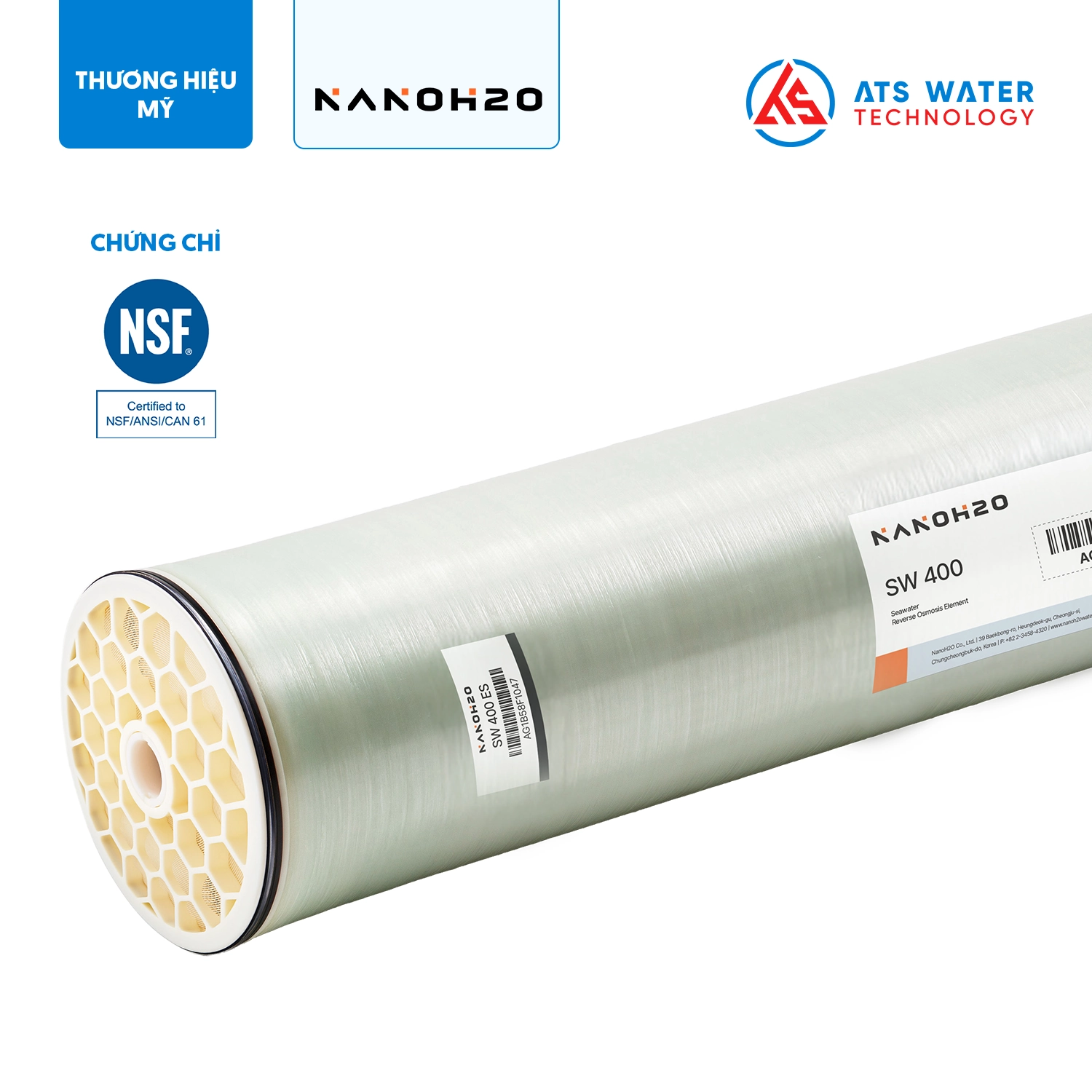
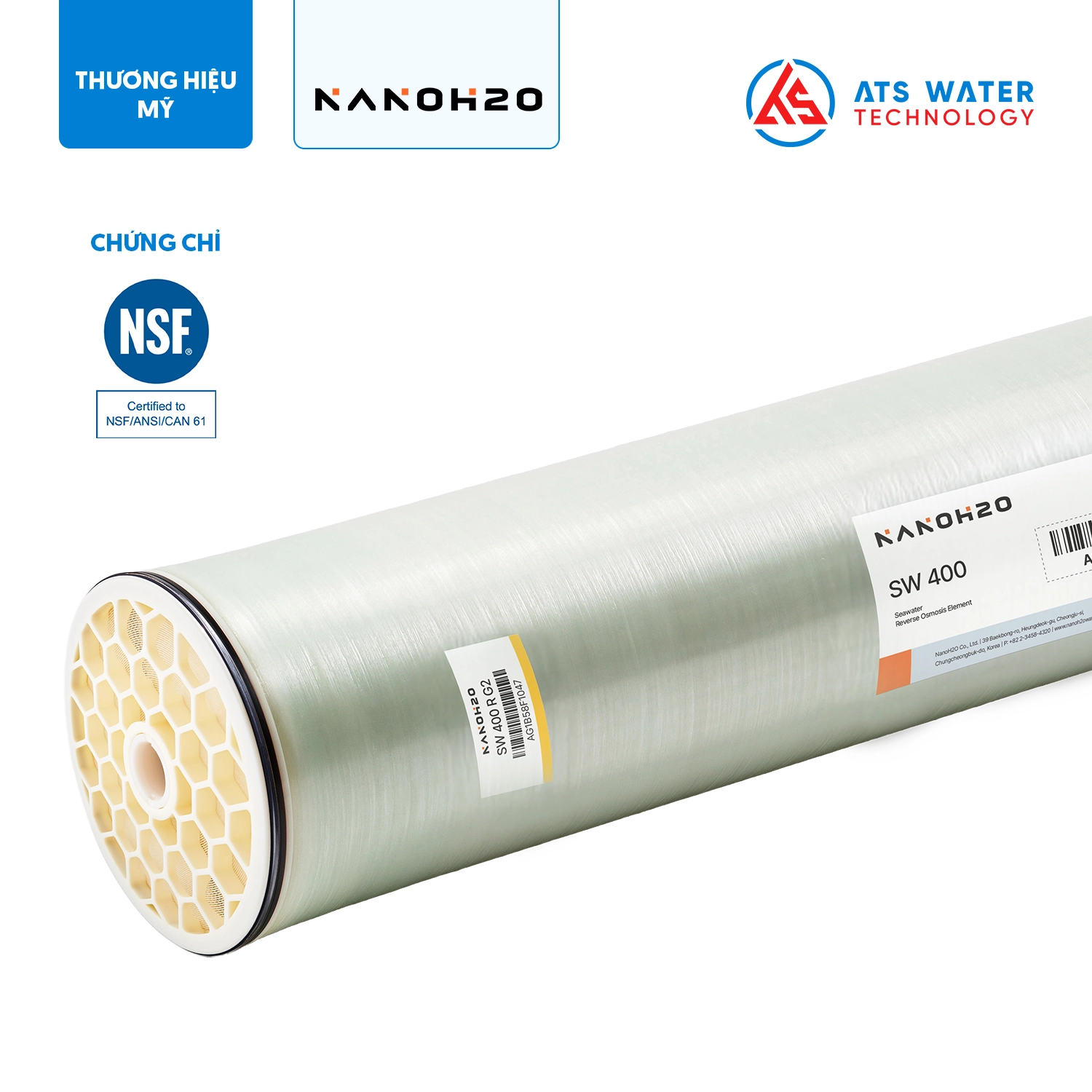
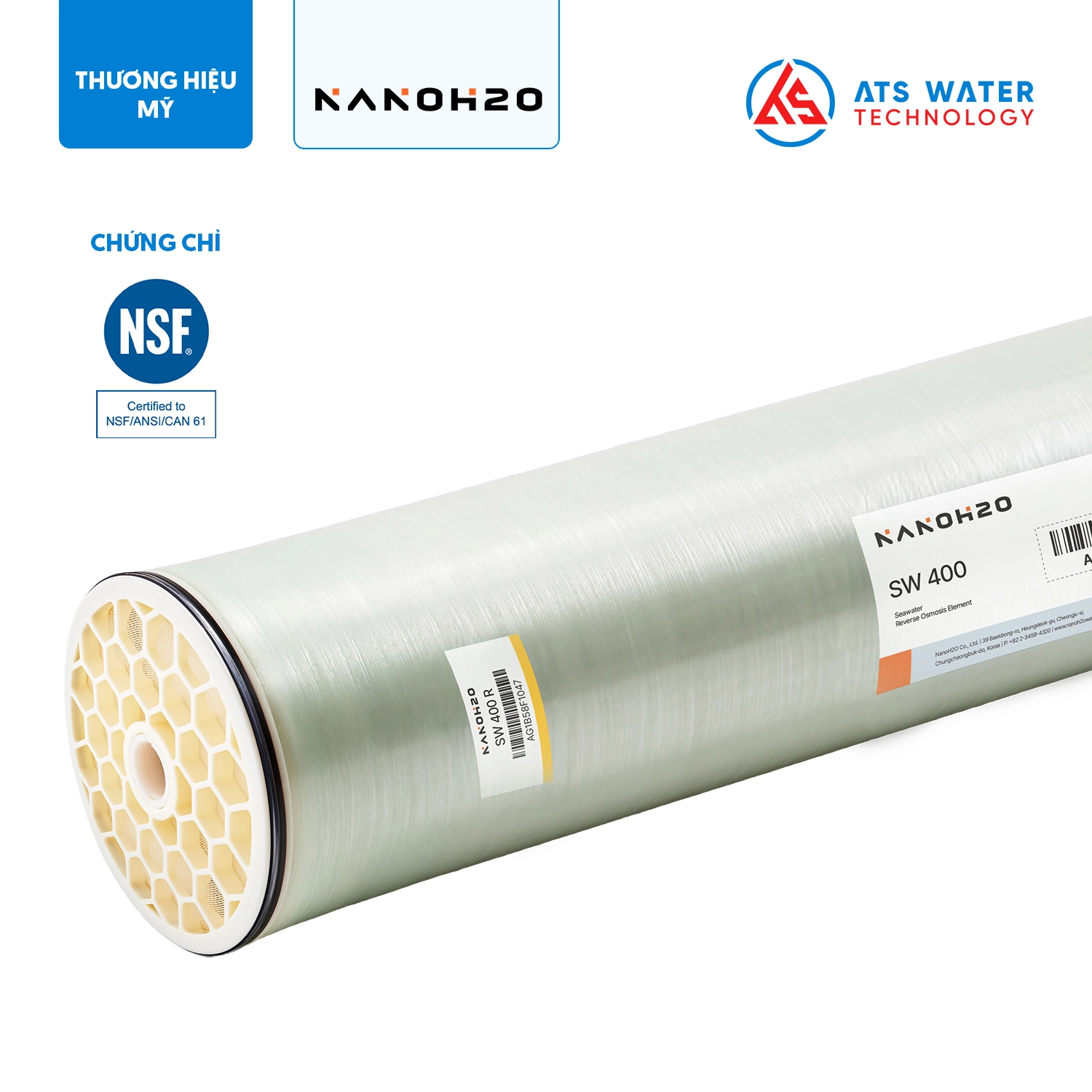
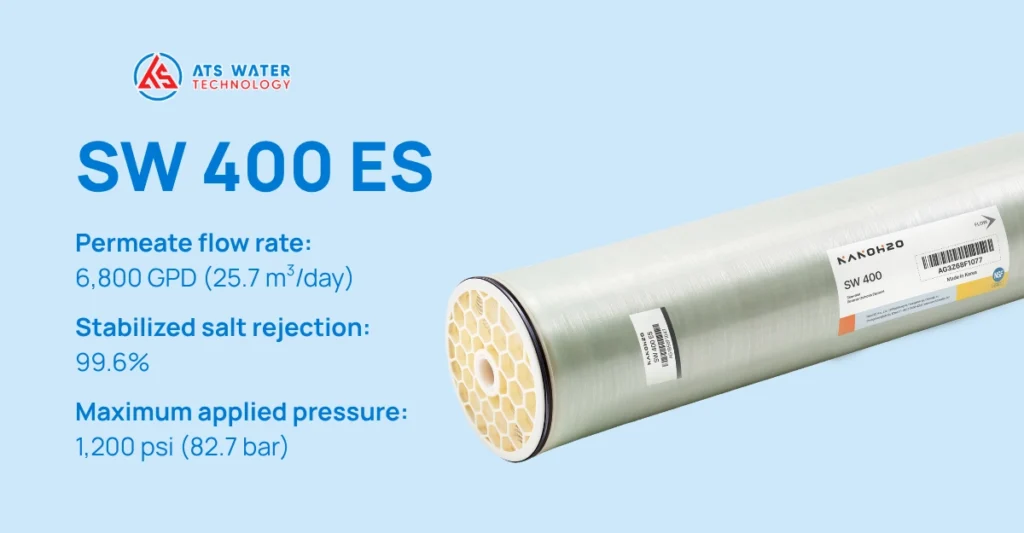
High-pressure reverse osmosis (HPRO) membranes withstand higher operating pressures, typically between 8–60 bar.
When the feed water has high salinity (TDS) or high fouling potential, a high net driving pressure is required to force water through the membrane. In these cases, high-pressure RO membranes are the mandatory choice.
Key characteristics:
- Enhanced feed spacer design: Many modern high-pressure membranes feature specialized feed spacers that maintain a low differential pressure (ΔP), helping optimize energy consumption.
- Superior salt rejection: Engineered to achieve the highest possible permeate quality.
- High fouling resistance: Robust surface chemistry reduces the frequency of Clean-in-Place (CIP) cycles, decreases chemical use, and extends service life.
Applications:
- High-purity and ultrapure water (UPW) for boilers, semiconductors…
- Wastewater reuse (MLD/ZLD – Minimum/Zero Liquid Discharge).
- Seawater and salt-contanminated freshwater desalination.
- Critical process water for sensitive industrial manufacturing.
3. Differentiating low-pressure vs. high-pressure RO membranes
The main distinction between these categories is the system’s required operating pressure. Below is a technical comparison:
| CRITERIA | LOW-PRESSURE RO MEMBRANE | HIGH-PRESSURE RO MEMBRANE |
|---|---|---|
| Membrane characteristics | Energy-saving, high flux | High salt rejection, fouling resistant |
| Feed water source | Tap water, treated surface water, soft water | Brackish water, salt-contanminated well water, seawater, treated wastewater |
| Feed TDS level | Typically < 1,000 ppm | 1,000 ppm to 42,000 ppm |
| Operating pressure |
|
8 – 60 bar |
| Salt rejection rate | 98.5% – 99.6% | 99.6% – 99.89% |
As shown in the table, the selection between low-pressure and high-pressure membranes must be based on feed water TDS and system operating pressure. Low-pressure membranes are ideal for low-salinity sources like municipal or treated surface water, while high-pressure membranes are indispensable for brackish water, seawater, or wastewater applications requiring high-efficiency desalination.
Contact us now to receive consultation and choose the most suitable brackish water RO membrane / seawater RO membrane model for your specific needs.
4. Frequently asked questions about low-pressure and high-pressure RO membranes
What is a low-pressure RO membrane?
It is a membrane designed for low-energy operation, suitable for high-quality feed water sources with low osmotic pressure.
What is a high-pressure RO membrane?
It is a robust membrane that requires a high driving pressure to achieve optimal filtration, typically used for challenging water sources or when ultra-high purity is required.
Do high-pressure RO membranes consume more electricity?
Yes. Because they require higher operating pressures, the system must use more powerful pumps, resulting in higher energy consumption than low-pressure RO systems.
Should I choose low-pressure or high-pressure RO membranes?
The choice depends on your feed TDS and target permeate quality. Low- to medium-TDS water is best handled by low-pressure membranes, while high-salinity water requires high-pressure membranes to ensure adequate salt rejection.
In conclusion, distinguishing between low-pressure and high-pressure RO membranes lets you match the technology to your specific water source and operational requirements. Selecting the correct membrane ensures stable salt rejection performance and system reliability. Please contact ATS Water Technology Co., Ltd for further consultation and support.
ATS WATER TECHNOLOGY CO., LTD
- Head office: 54/18 Bui Quang La, An Hoi Tay Ward, HCMC, Vietnam
- Branch office: 77 DHT10B, Dong Hung Thuan Ward, HCMC, Vietnam
- Consultation and support: (028) 6258 5368 – (028) 6291 9568
- Email: info@atswatertechnology.com
- Social media: Facebook | LinkedIn | YouTube
- Quick contact: Zalo Official | Telegram | WhatsApp