

 Solution
  Technology
  Application





RO membrane fouling and scaling cause a decline in permeate flux, increased operating pressure, and degraded salt rejection. These occur due to the accumulation of organic matter (fouling) and inorganic mineral precipitates (scaling) during operation. This article from ATS Water Technology explains the fouling and scaling meaning, their key indicators, and causes to help you select an effective control solution.
1. What is fouling and scaling in RO membranes?
In RO systems, membrane degradation falls into two categories: organic/colloidal fouling and inorganic scaling. Understanding the difference between scaling and fouling in RO, including their chemical nature, system location, and operational indicators, is essential for an effective control strategy.
1.1. Indicators of RO membrane fouling and scaling
Early detection of membrane scaling and fouling is critical to restoring flux and extending membrane life. Typical daily indicators include:
- Permeate flow rate decline of 10-15%.
- Salt rejection decline of 10-15% (elevated salt passage and permeate TDS).
- Differential pressure (ΔP) increases by 10-15%.
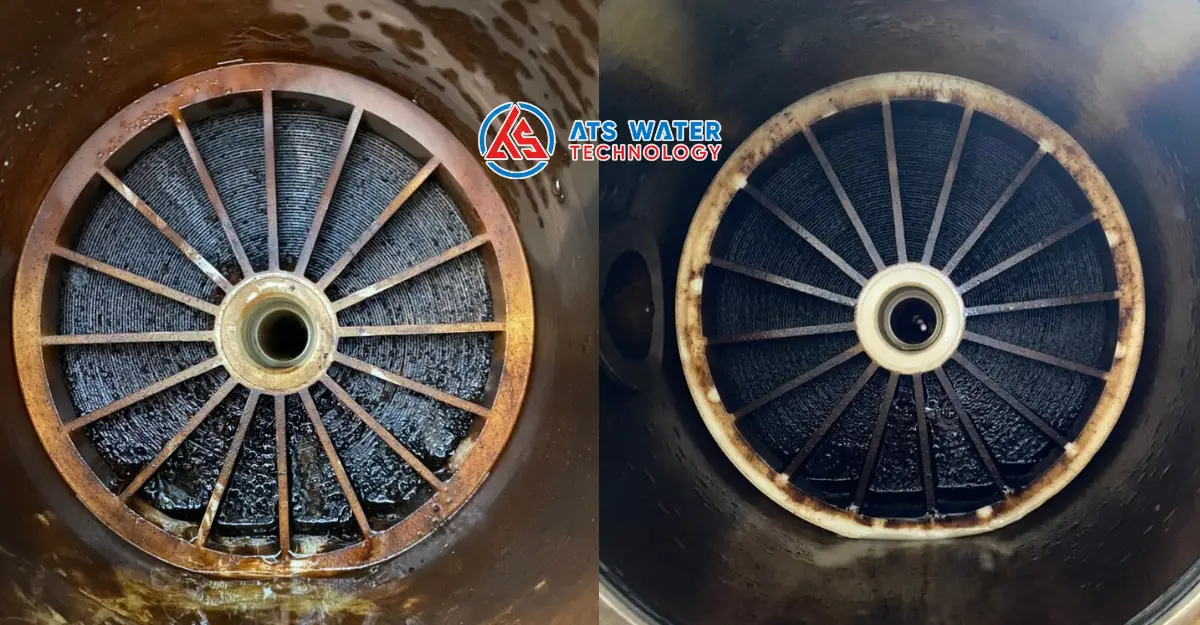
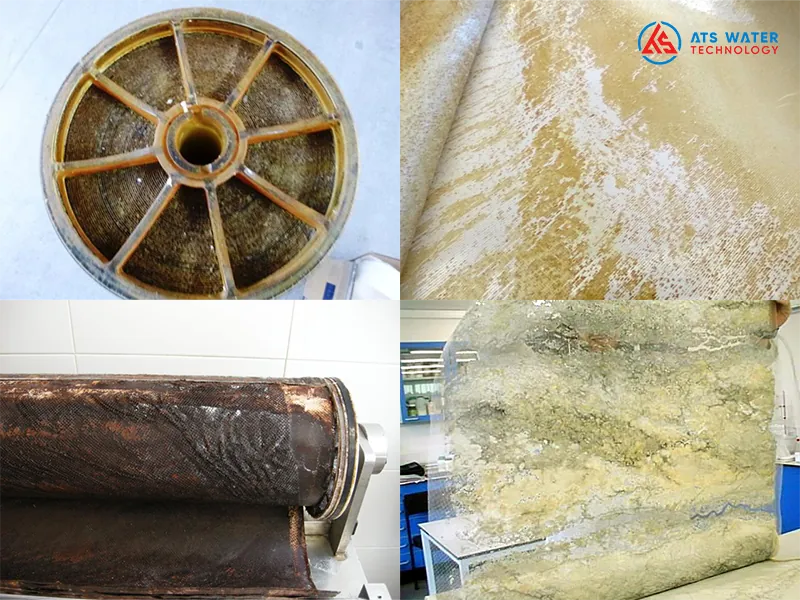
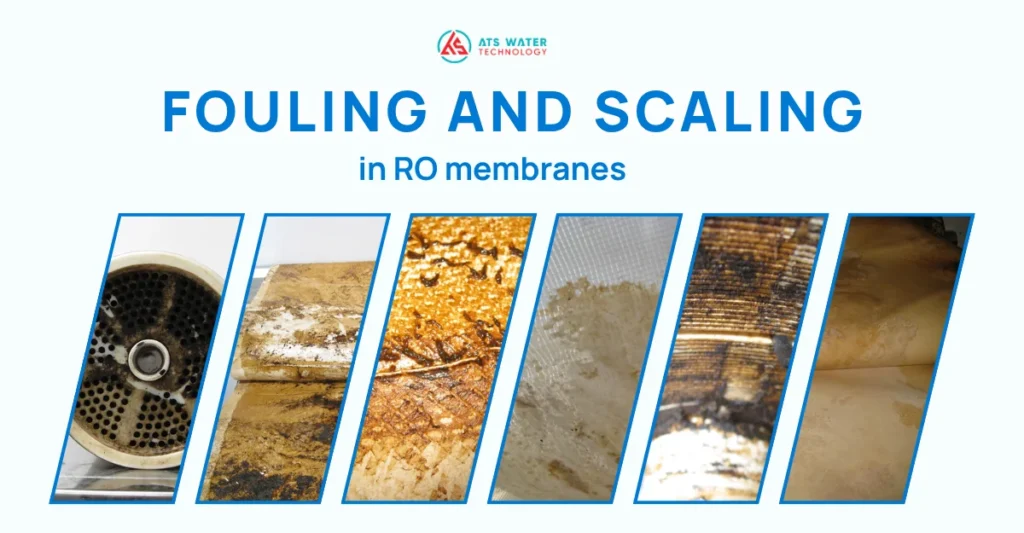
- Visible debris or foulant layers on the membrane surface or the feed spacer mesh.
These signs reflect a drop in membrane permeability and separation efficiency, indicating when a Clean-In-Place (CIP) cycle must be initiated.
1.2. Organic and colloidal fouling (Fouling)
Organic fouling in RO membranes refers to the deposition and accumulation of non-inorganic constituents on the membrane surface, typically occurring in the lead elements (front) of the system.
The primary agents of organic fouling include:
- Dissolved organic matter (NOM/TOC)
- Bacteria and bio-fouling (biofilms)
- Colloidal particulates
As these constituents accumulate, they form a cake layer on the membrane surface and feed spacer mesh, restricting hydraulic flow and causing a sharp increase in differential pressure (ΔP). This contamination is linked to upstream pre-treatment efficiency and appears early in the operational cycle.
1.3. Inorganic scaling (Scaling)
Inorganic scaling in RO membranes is the precipitation and crystallization of dissolved inorganic salts when their concentrations exceed their saturation thresholds, typically concentrating in the tail elements (rear) of the system.
Common types of inorganic scales include:
- Calcium Carbonate (CaCO3)
- Calcium Sulfate (CaSO4)
- Barium Sulfate (BaSO4)
- Silica (SiO2)
- Calcium Fluoride (CaF2)
- Iron and aluminum hydroxides
This occurs when ions in the concentrate stream become highly concentrated and bind, forming crystalline structures on the membrane surface. Inorganic scaling increases net driving pressure, promotes salt passage (degrading permeate quality), and makes scaling difficult to remove once crystalline matrices form.
2. Causes of RO membrane fouling and scaling
The occurrence of RO membrane scaling and fouling is driven by a combination of chemical, physical, and operational factors during system runtime. The primary causes include:
- Concentration factor: As the system recovery rate increases, ions in the concentrate stream multiply, pushing them past saturation thresholds to initiate crystallization.
- Operational conditions: Parameters such as feed water pH, temperature, and specific ion ratios directly dictate the kinetics of scaling and foulant deposition.
- System design and hydraulics: Engineering limitations like severe concentration polarization, high design membrane flux, or inadequate cross-flow velocity to clean the membrane surface.
In industrial practice, these variables usually compound, accelerating performance decline if left unmanaged.
3. Distinguishing scaling and fouling in RO membrane
Distinguishing the precise difference between fouling and scaling provides the foundation for selecting the appropriate cleaning protocol and chemicals. Using the wrong treatment results in low cleaning efficiency and unnecessary operational costs.
| Characteristics | Organic fouling | Inorganic scaling |
|---|---|---|
| System location | Lead elements (front of the system) | Tail elements (end of the system) |
| Main components | Bacteria, biofilms, colloids, natural organic matter | Inorganic salts (CaCO3, CaSO4, Silica…), metal hydroxides |
| Operational indicators | Sharp increase in differential pressure (ΔP) | Increased operational pressure and reduced permeate water quality |
| Visual characteristics | Suspended particulate layers, slimy or gelatinous biofilm on the membrane | Hard crystalline scale deposits, increased element weight |
4. Pretreatment solutions to prevent membrane fouling and scaling
To effectively mitigate performance decline, an industrial RO plant combines multiple unit operations as a comprehensive pretreatment for membrane scaling and fouling, and to control water hardness and chemical parameters and foulant precursors.
Key engineering solutions include:
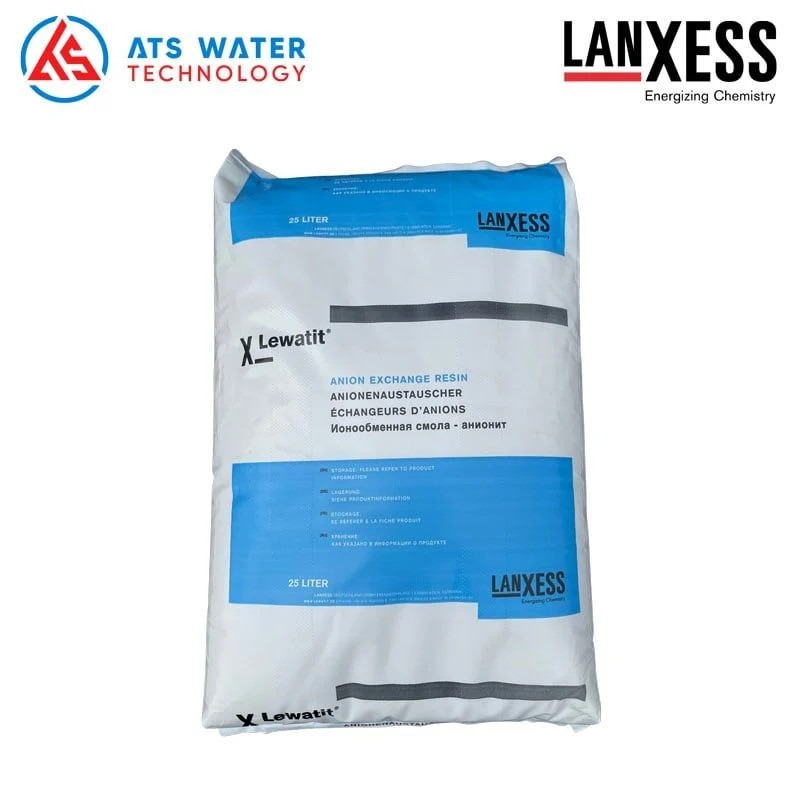
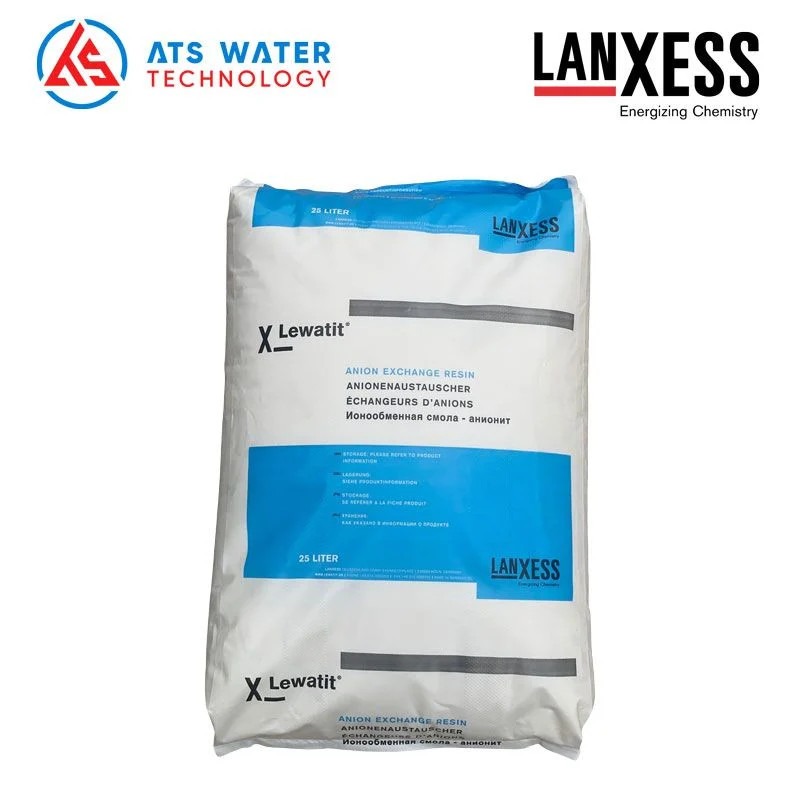
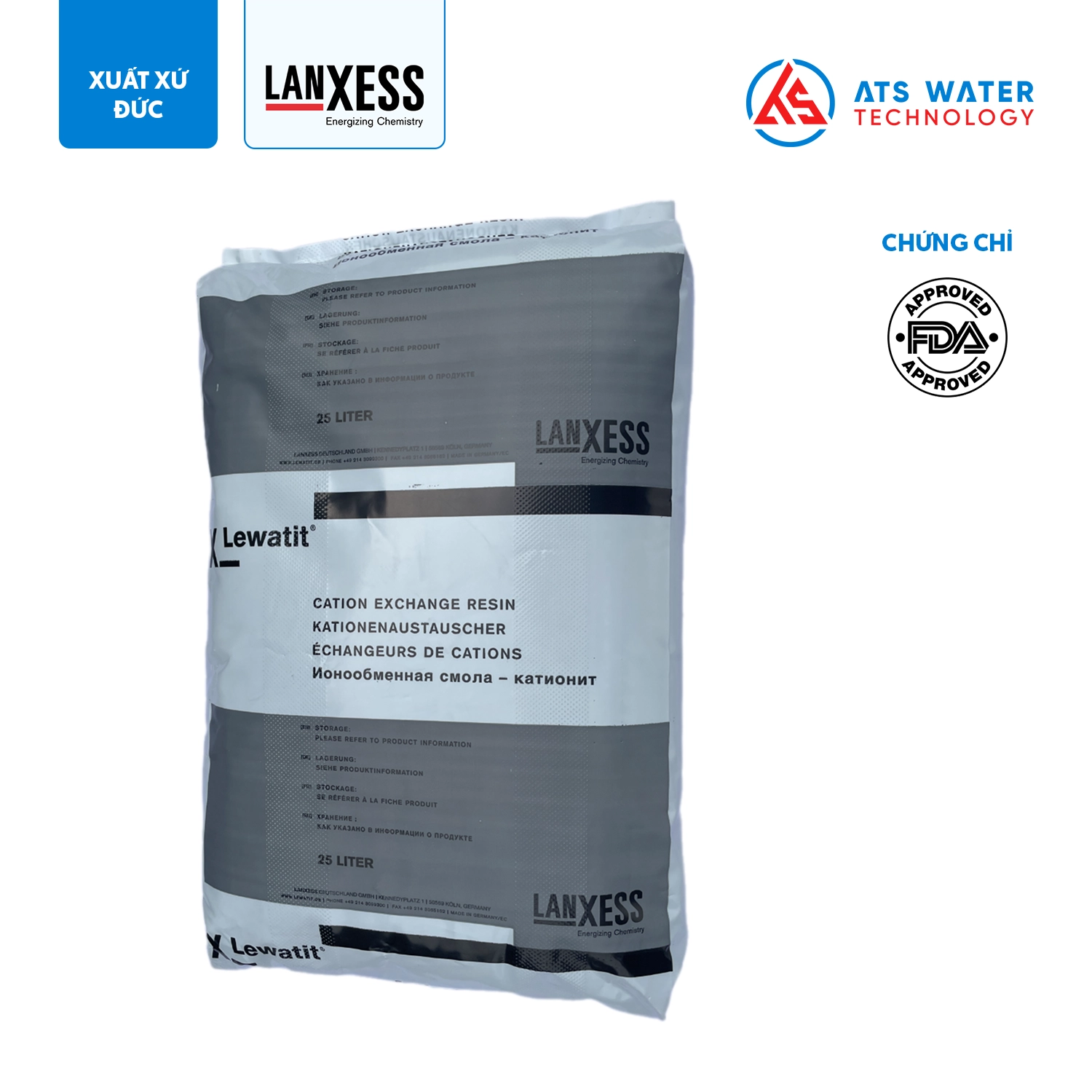
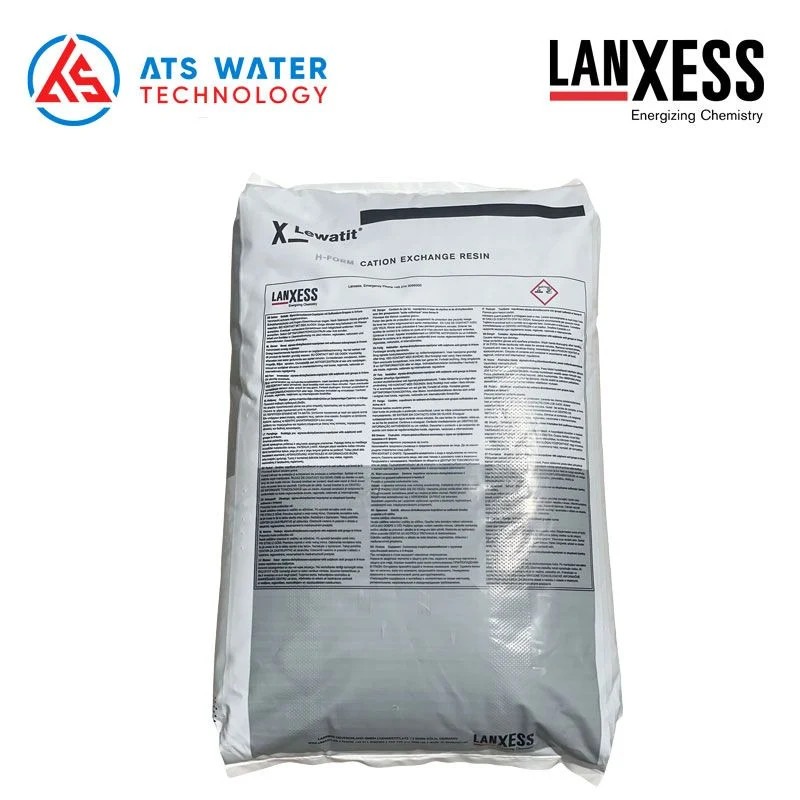
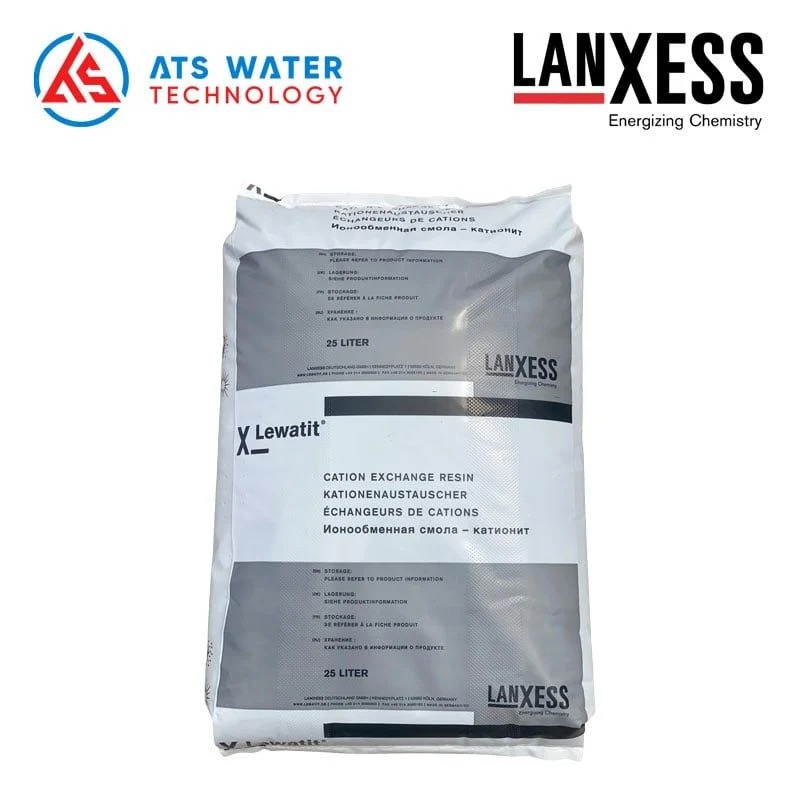
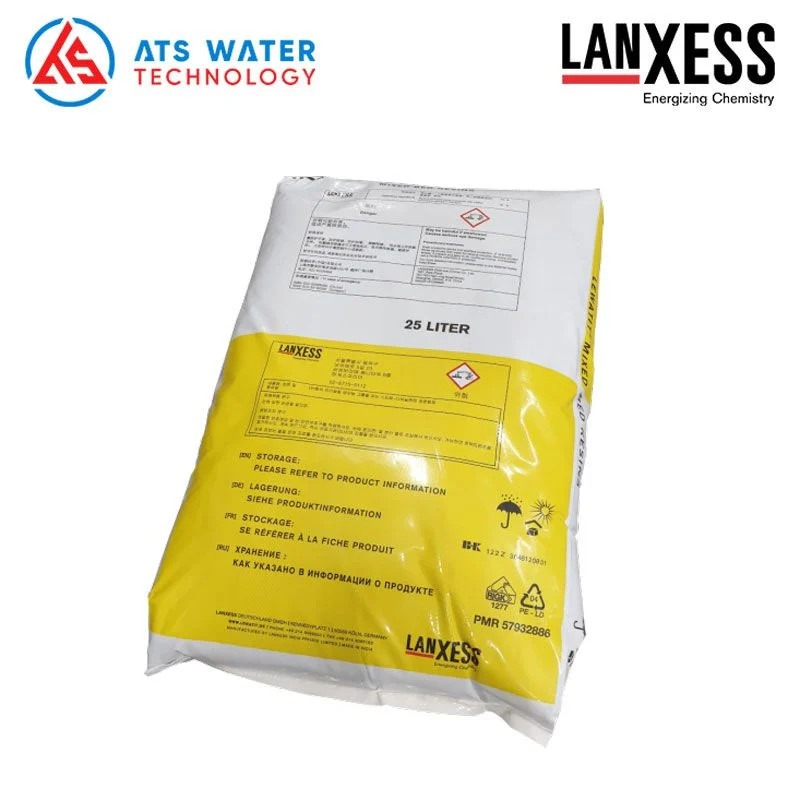
- Water softening systems: Removes Ca²⁺ and Mg²⁺ ions, the root cause of CaCO₃ scaling, via an ion exchange mechanism. Utilizing Lanxess Lewatit ion exchange resins, hardness ions are substituted with highly soluble Na+ ions.
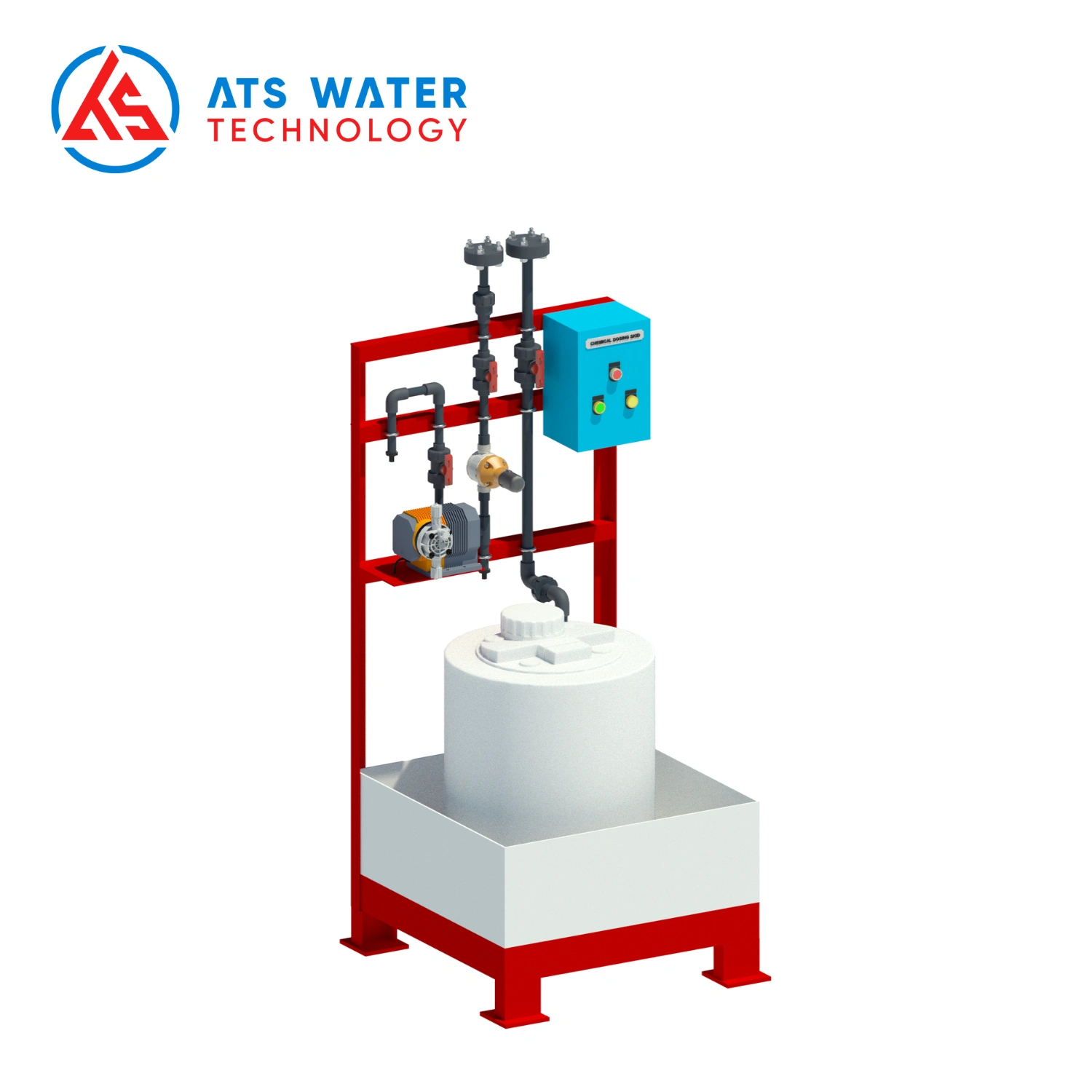
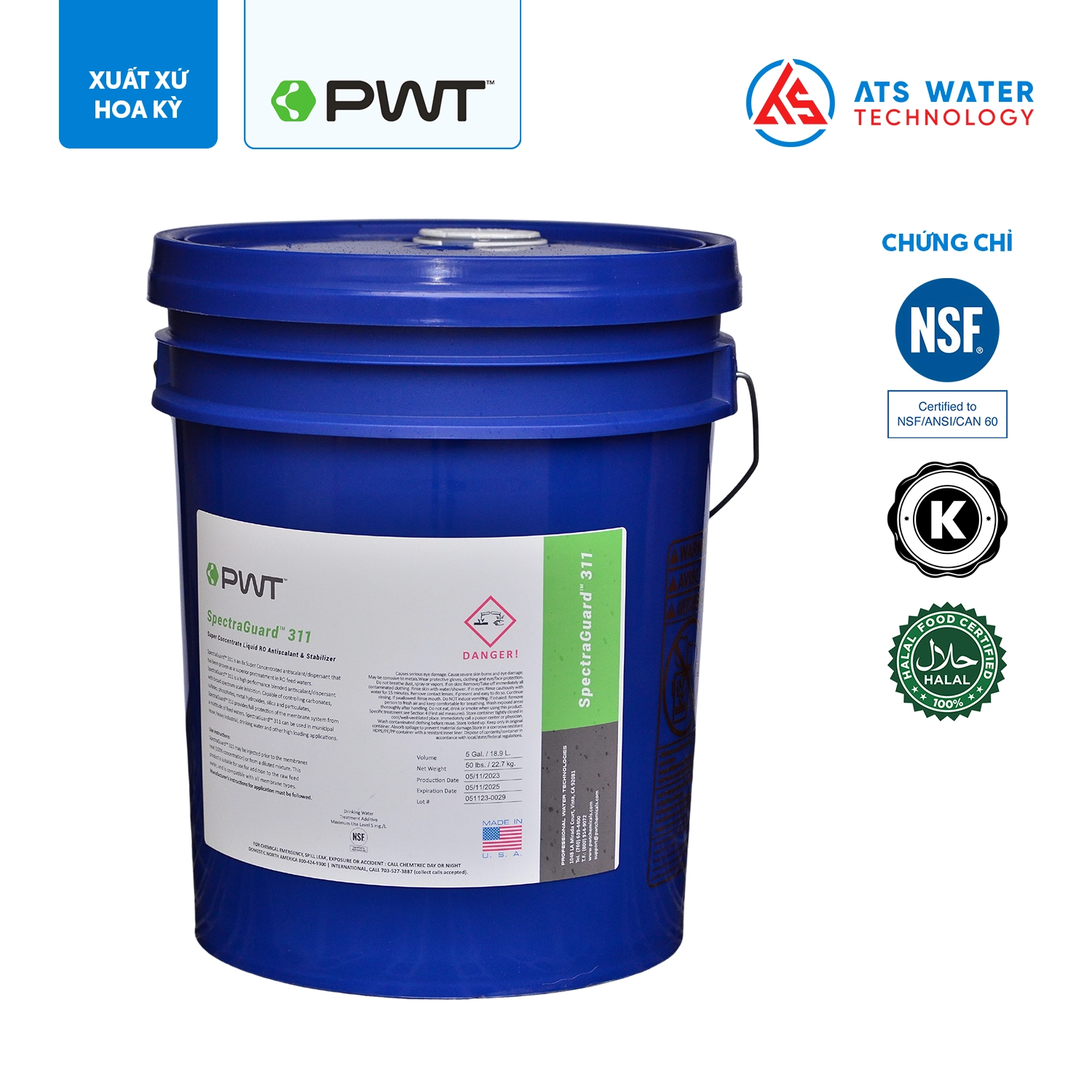
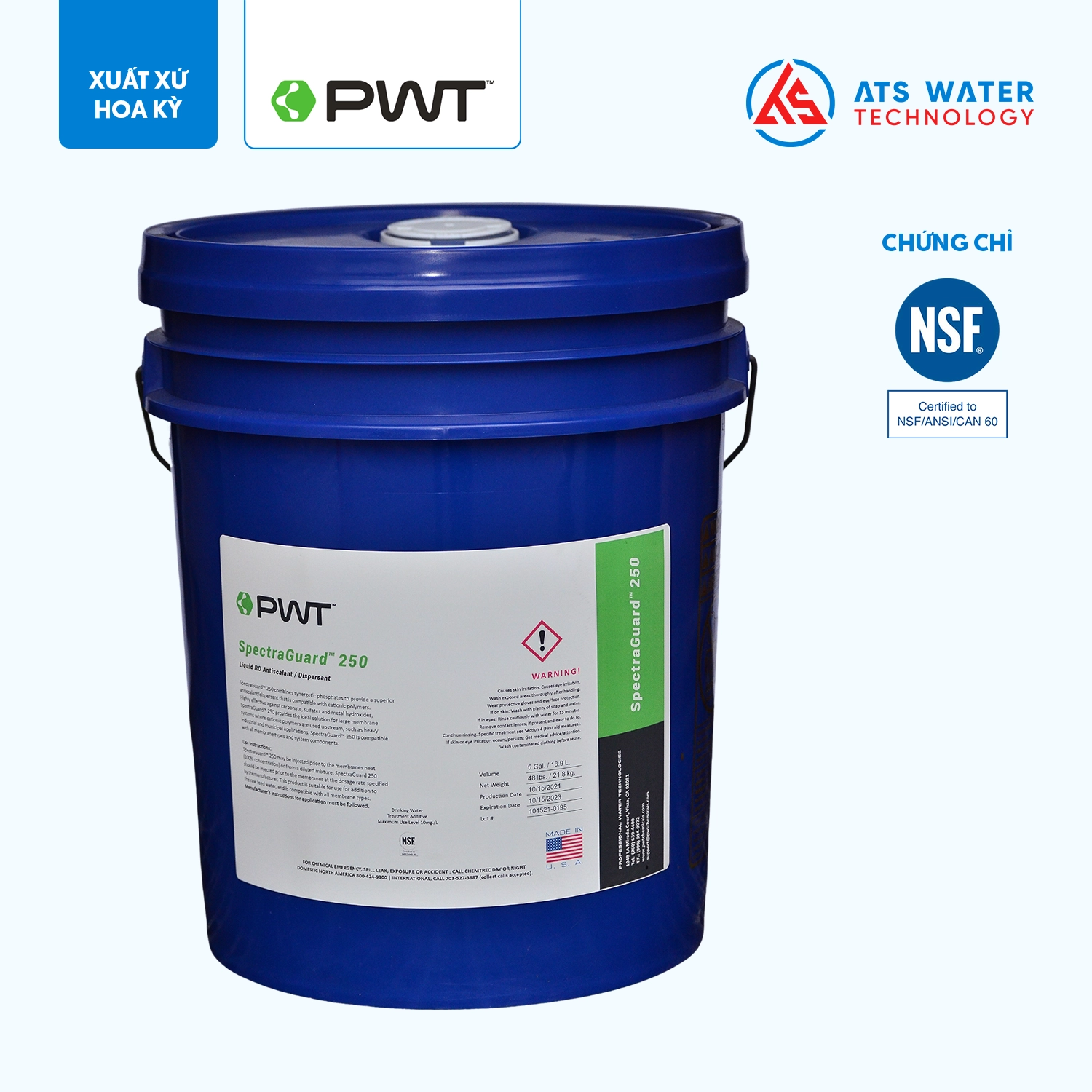
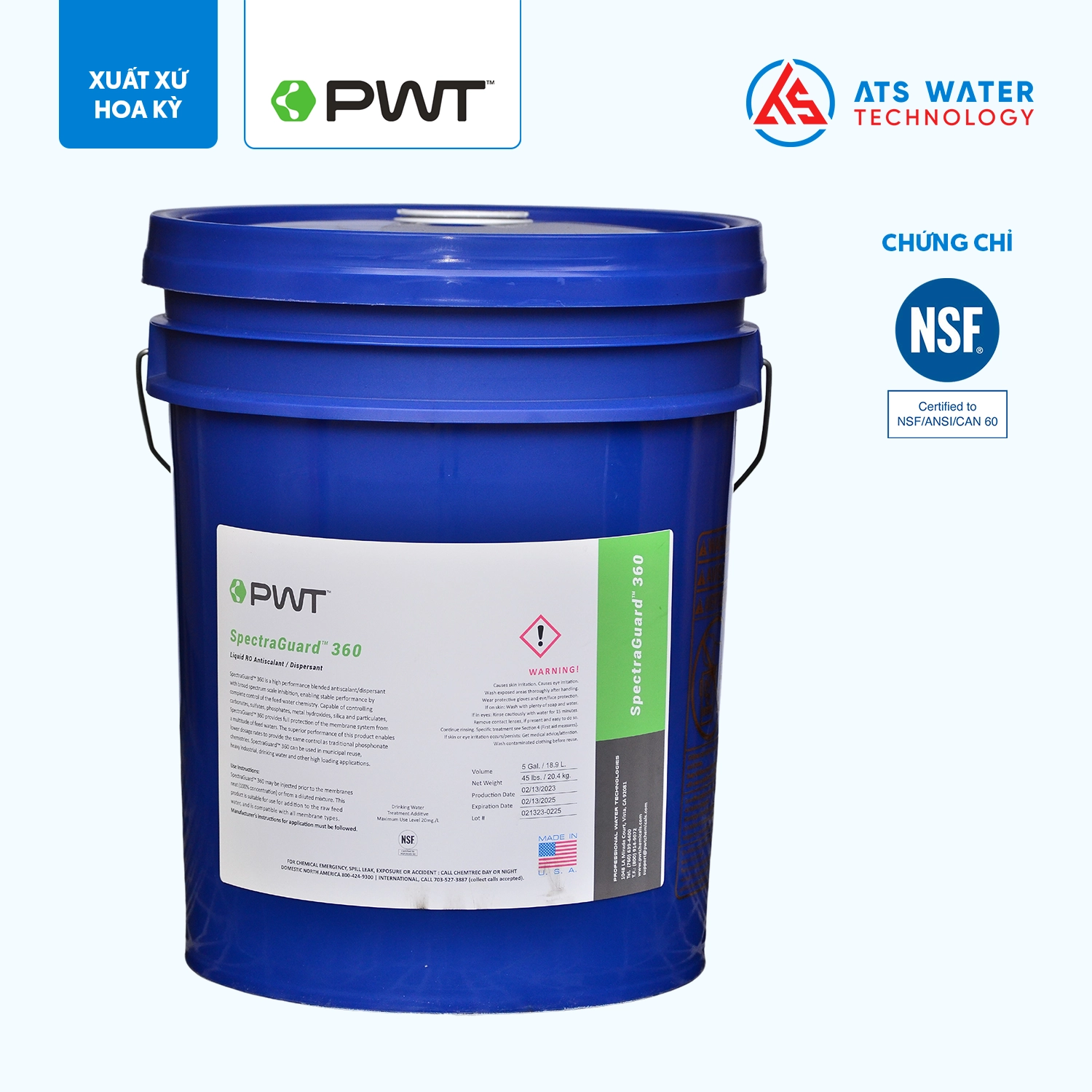
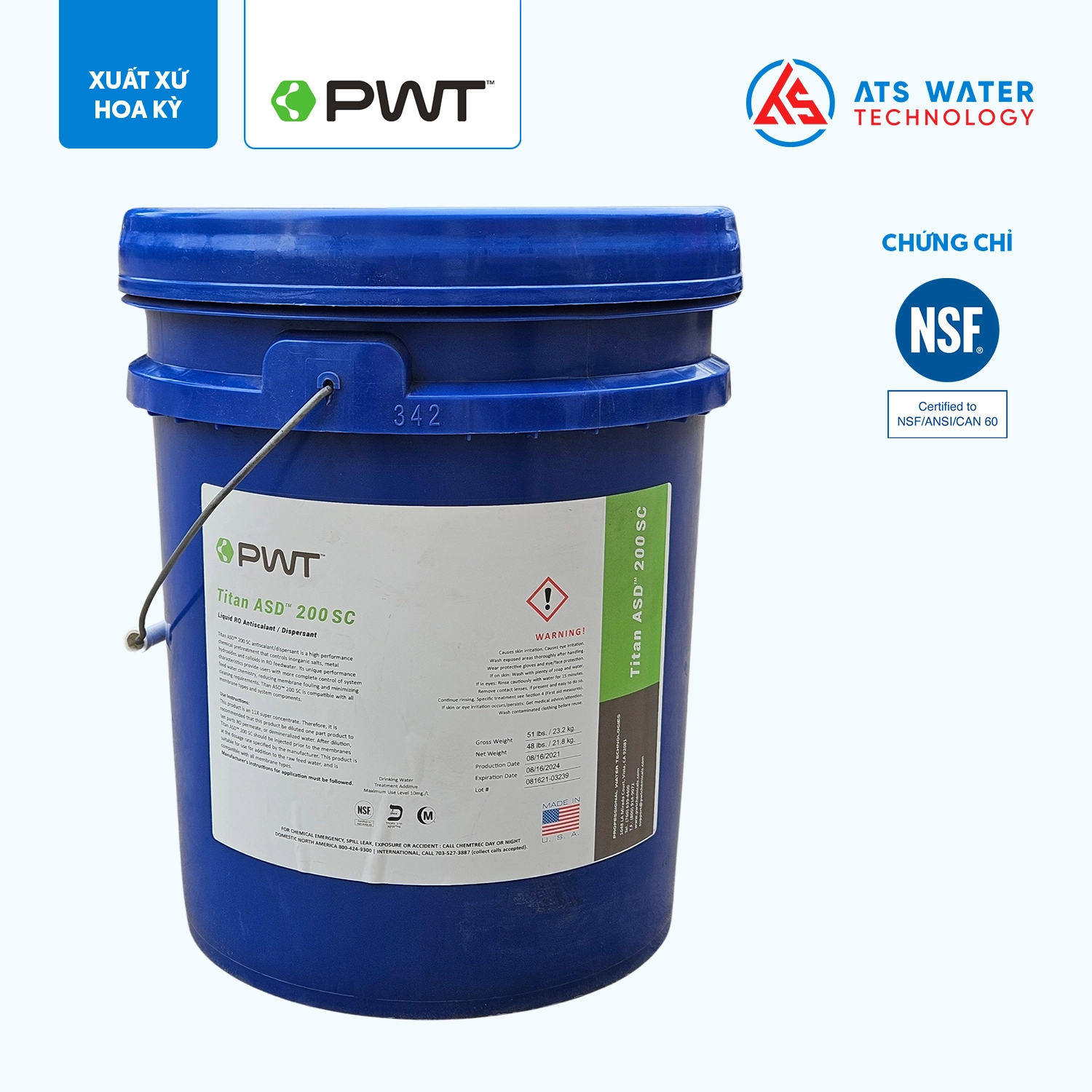
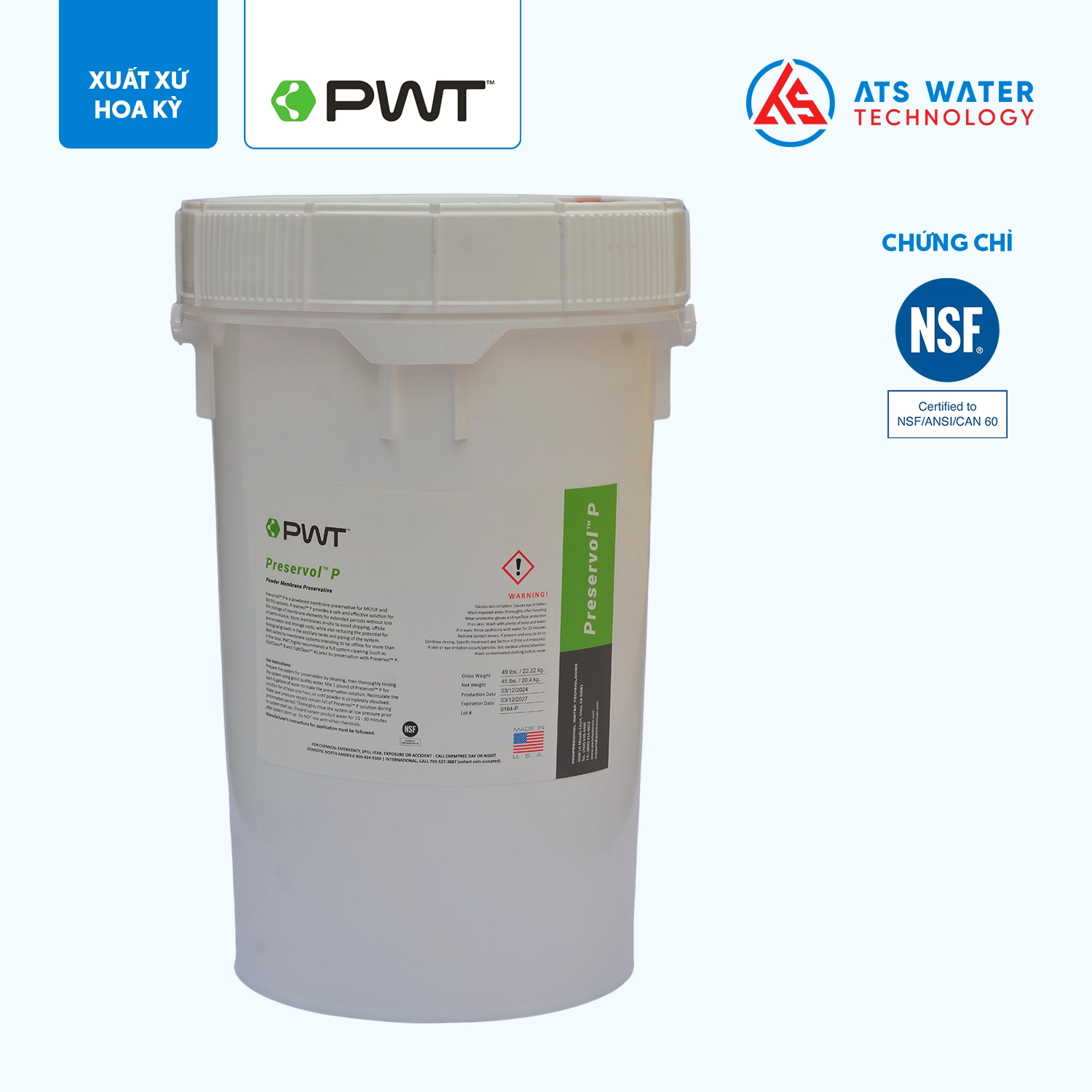
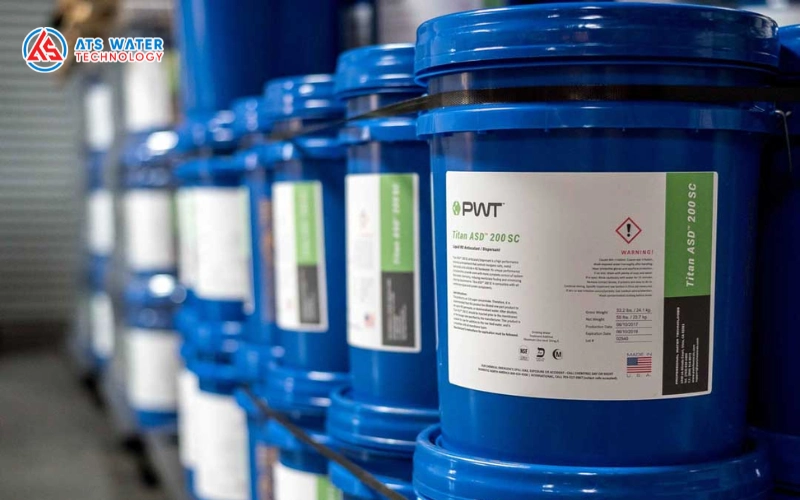
- Inorganic antiscalant dosing: Specialty antiscalants, such as the SpectraGuard™ or Titan ASD™ series from PWT, are dosed directly into the feed stream to inhibit the crystallization of CaCO₃, CaSO₄, BaSO₄, and silica. This solution effectively addresses complex scaling profiles (including high-silica waters) without the footprint of bulky softening vessels.
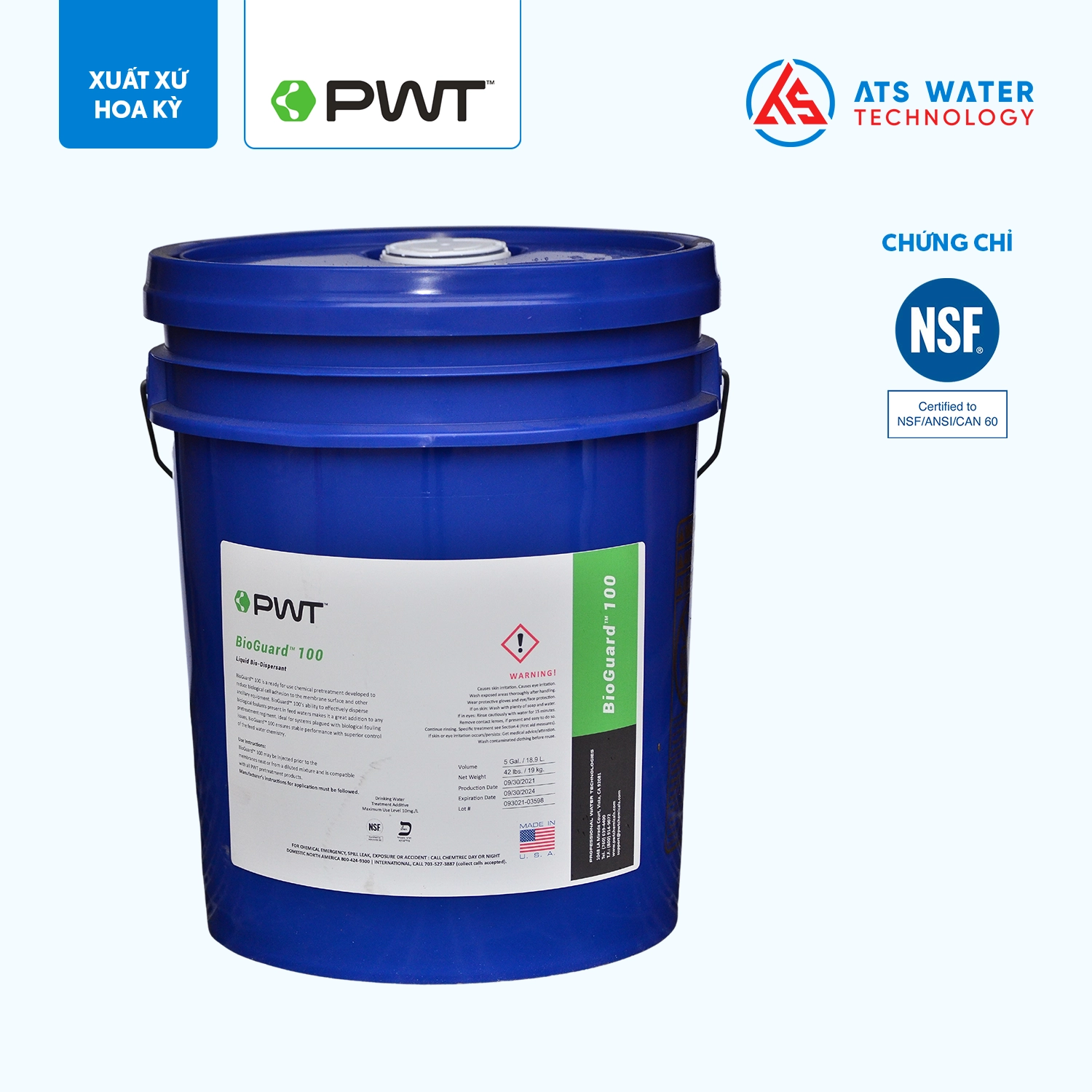
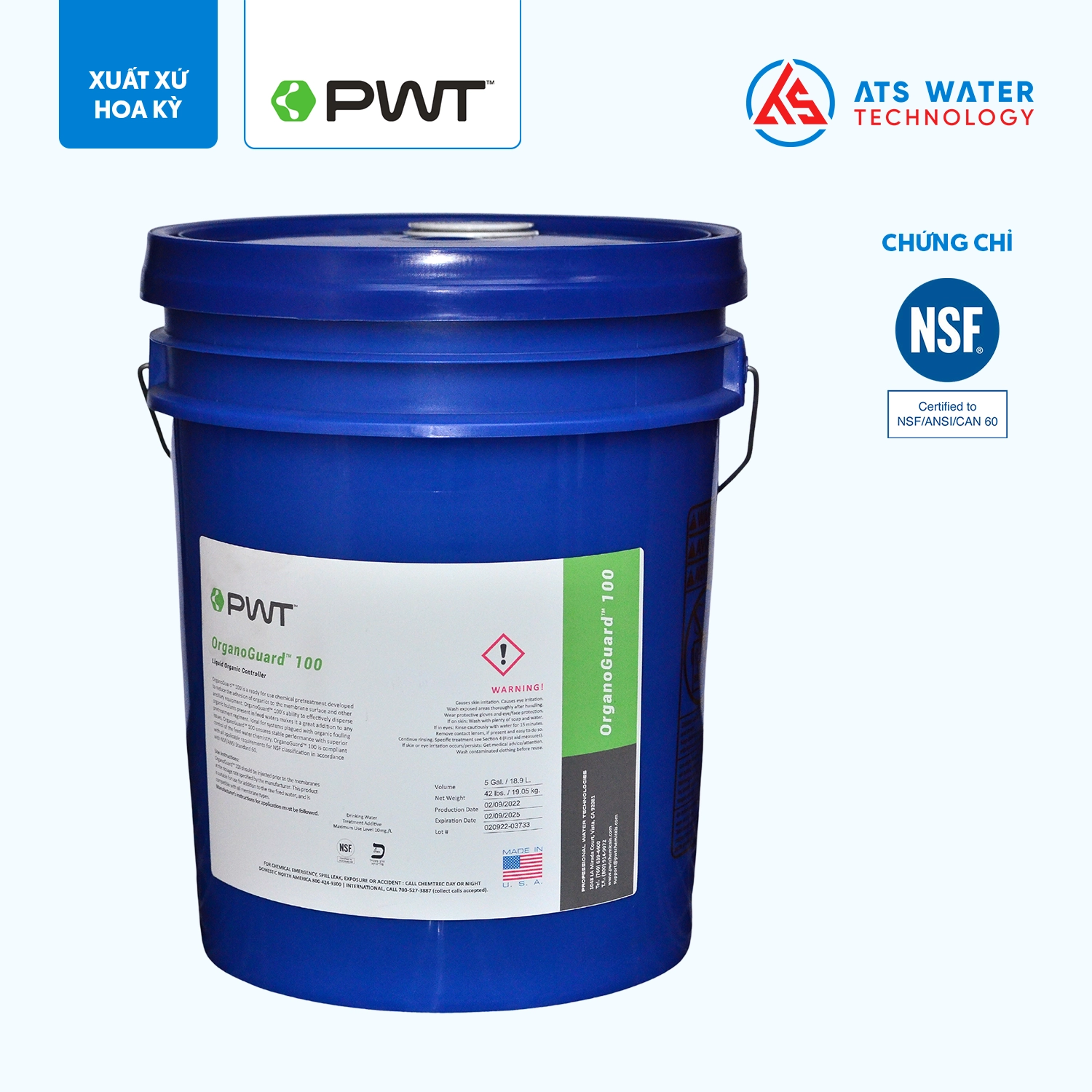
- Organic antifoulant dosing: Formulations such as OrganoGuard™ and BioGuard™ are used to minimize the adhesion of organic and biomacromolecular molecules to the RO membrane surface. By effectively dispersing organic compounds in the feed stream, these chemicals ensure stable operations and extend membrane longevity.
- pH adjustment (Acid dosing): Dosing H₂SO₄ or HCl adjusts the feed pH to a target range of 5.5–6.5, converting bicarbonate (HCO₃⁻) ions into dissolved CO₂ gas and preventing CaCO₃ precipitation. This process requires tight monitoring to mitigate downstream risks.
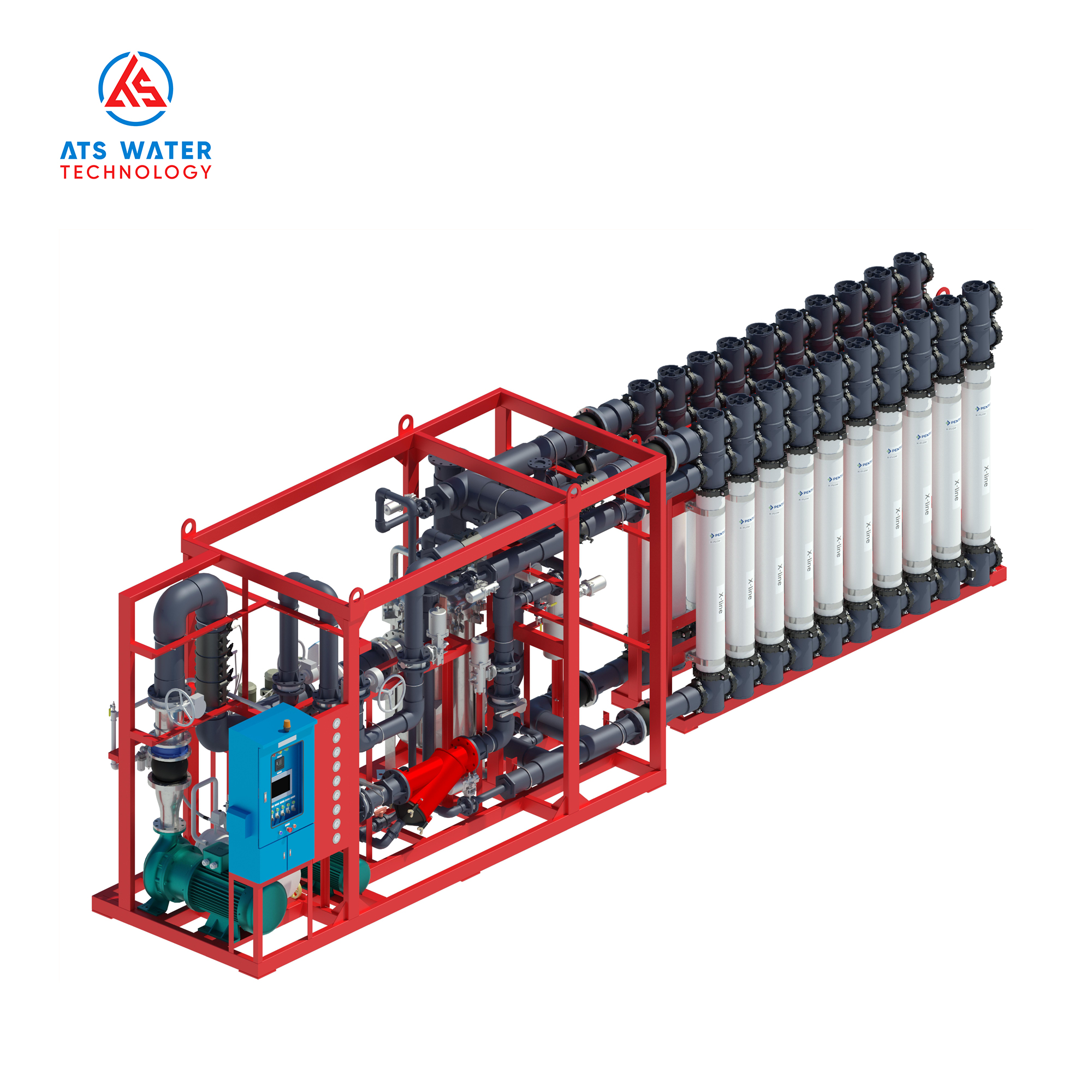
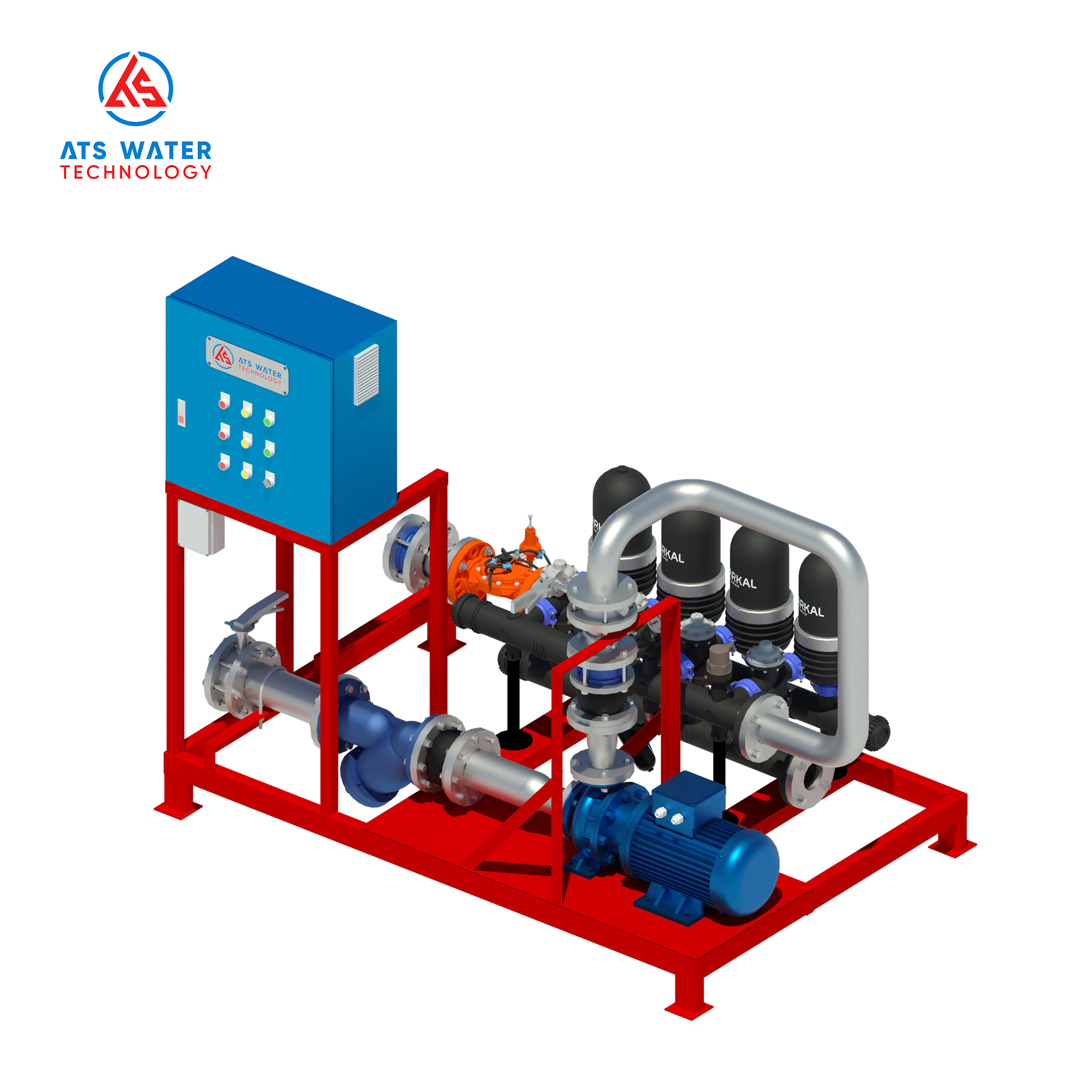
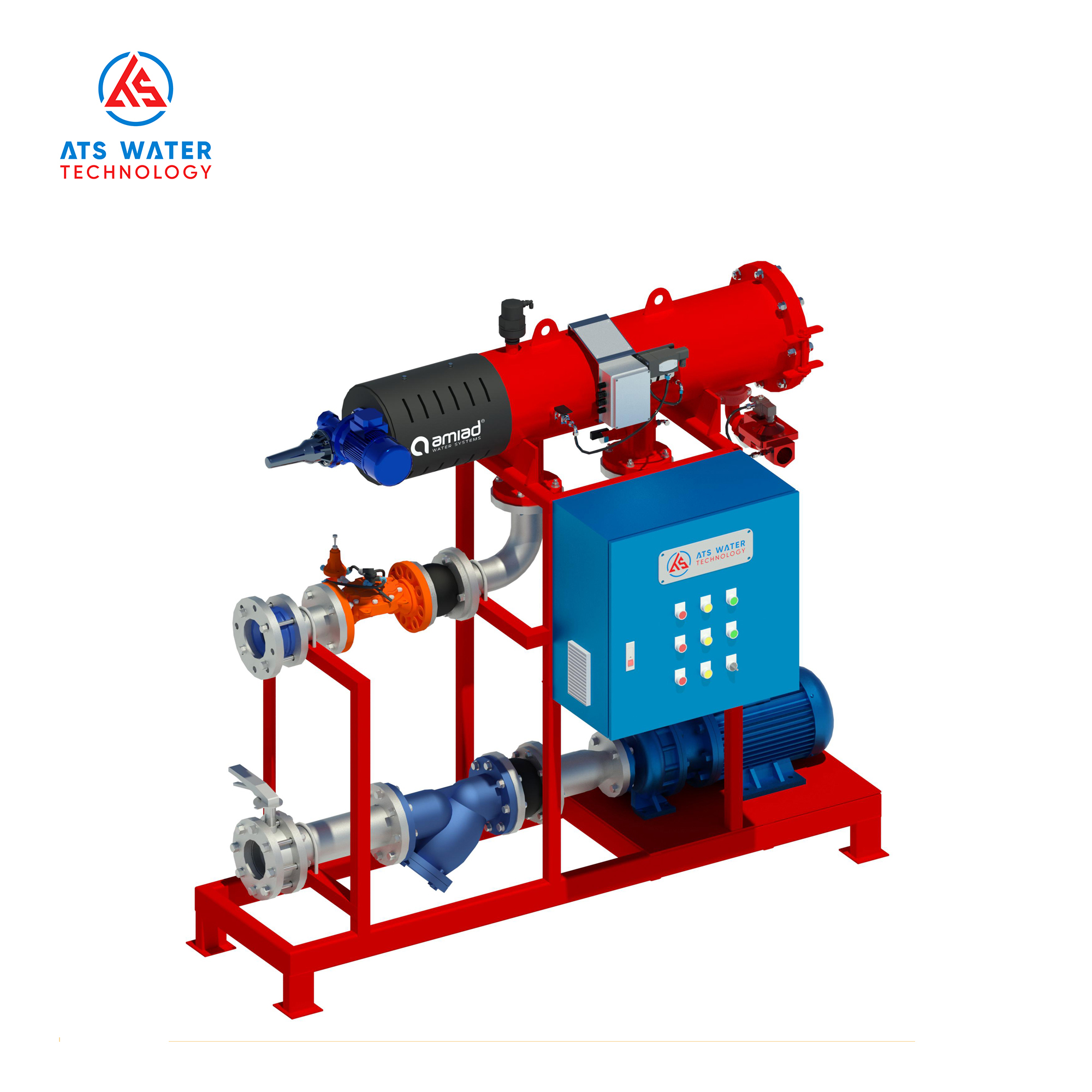
- Ultrafiltration (UF) or multimedia filtration (MMF): Removes colloidal matter, suspended solids (TSS), and macro-organic compounds that act as foulant precursors. Consistently maintaining a Silt Density Index (SDI) < 3 significantly reduces the fouling load on downstream RO elements.
Specialized antiscalants control mineral deposition through mechanisms such as threshold inhibition, crystal modification, and dispersion, maintaining stable operations across diverse water chemistries.
In addition to the pretreatment solutions mentioned above, early identification of signs of a clogged RO membrane and proper CIP for RO membrane are also essential.
5. Frequently asked questions about RO membrane fouling and scaling
What are the signs of membrane scaling and fouling?
The primary signs include a decrease in permeate flow, a drop in permeate quality (increased TDS), and an increase in differential pressure (ΔP), typically by 10-15%.
What causes inorganic scaling on RO membranes?
Scaling is primarily caused when dissolved ions are concentrated beyond their thermodynamic solubility limits during the filtration process. Suboptimal pH, temperature fluctuations, and poor hydraulic design accelerate crystal formation.
What is the difference between fouling and scaling?
The technical difference between fouling and scaling lies in their composition and location within the system. Fouling is caused by microorganisms and colloids in the lead elements, which drives up differential pressure (ΔP). Scaling occurs when dissolved salts precipitate in the tail elements, increasing operating pressure and salt passage.
What damages does RO membrane scaling and fouling cause?
It causes severe flux decline, increased energy consumption, degraded salt rejection, and irreversible mechanical or chemical damage to the membrane structure if left untreated.
Which pretreatment for membrane fouling and scaling methods are most effective?
Effective configurations combine water softening, antiscalant/antifoulant chemical dosing, pH adjustment, and UF or multimedia filtration. Integrating these steps provides reliable, long-term defense against performance decline.
In summary, RO membrane fouling and scaling can be managed by understanding their fundamental chemical and physical mechanisms. Distinguishing fouling from scaling enables operators to select precise cleaning solutions and preventative measures. Contact ATS Water Technology Co., Ltd for professional support and tailored solutions to minimize membrane scaling risks.
ATS WATER TECHNOLOGY CO., LTD
- Head office: 54/18 Bui Quang La, An Hoi Tay Ward, HCMC, Vietnam
- Branch office: 77 DHT10B, Dong Hung Thuan Ward, HCMC, Vietnam
- Consultation and support: (028) 6258 5368 – (028) 6291 9568
- Email: info@atswatertechnology.com
- Social media: Facebook | LinkedIn | YouTube
- Quick contact: Zalo Official | Telegram | WhatsApp