 Solution
 Technology
 Application


Ion exchange resins for the semiconductor industry are indispensable in Ultra Pure Water (UPW) treatment systems. Substandard water quality can cause ionic contamination during semiconductor cleaning, destabilizing processes and impacting product yield. Explore the following technical deep-dive by ATS Water Technology to understand the critical role of these materials.
1. Applications of ion exchange resins for the semiconductor industry
In these sectors, ion exchange resins for the semiconductor industry go beyond routine deionization; they preserve long-term UPW quality under continuous operation and rigid control standards.
1.1. The role of ion exchange resins in ultrapure water (UPW) treatment
In UPW systems for the semiconductor and photovoltaic industries, ion exchange resins are deployed in specialized exchange columns, including cation, anion, and mixed-bed units. These are typically positioned after two-stage RO and EDI systems, acting as the final polishing step.
Specifically, these resins are utilized in the following processes:
- Final deionization: Removing trace dissolved ions remaining after RO or EDI stages.
- UPW polishing: Achieving the specific electrical resistivity required by advanced technology (typically reaching 18.2 megohm-centimeter, or MΩ·cm).
- Wafer rinsing: Providing high-purity water for wafer washing and surface cleaning.
- Cleanroom utilities: Supplying UPW for various equipment and processes within controlled environments.
By exchanging ions between the solid and liquid phases, resin-based systems deliver precise effluent control, meeting the strictest UPW standards in the semiconductor industry.

1.2. Key sectors utilizing resins in semiconductors and photovoltaics
Ion exchange resins for the semiconductor industry are widely used in ultrapure water (UPW) treatment for semiconductor electronics and photovoltaics, where water quality directly affects process stability and reliability.
The primary application areas include:
- Production of silicon wafers and semiconductor base materials.
- Fabrication of microcircuits, chips, and discrete semiconductor components.
- Manufacturing of LEDs, LCDs, OLEDs, and advanced display devices.
- Production of photovoltaic cells and modules (Solar energy).
- Cleanroom water supply systems and high-tech utility support.
In all these fields, ionic content in water must be rigorously restricted to ultra-low levels to safeguard material surfaces and ensure production process consistency.

2. Advantages of Lewatit® resins in the semiconductor and photovoltaic sectors
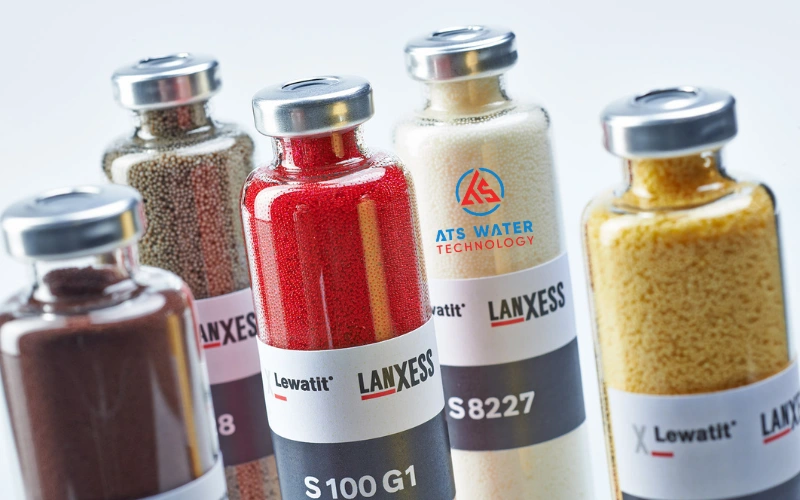
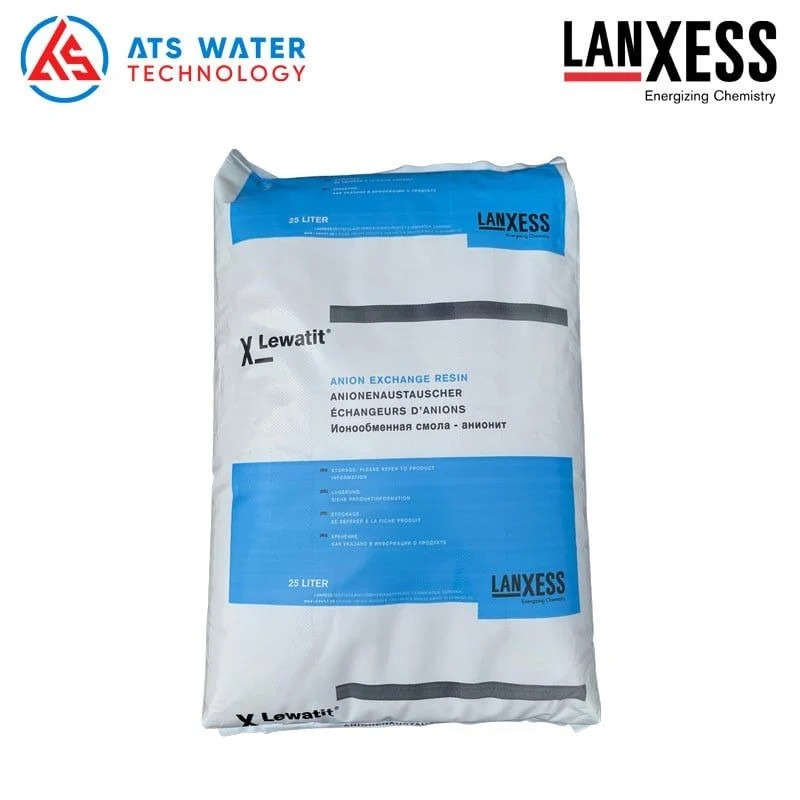
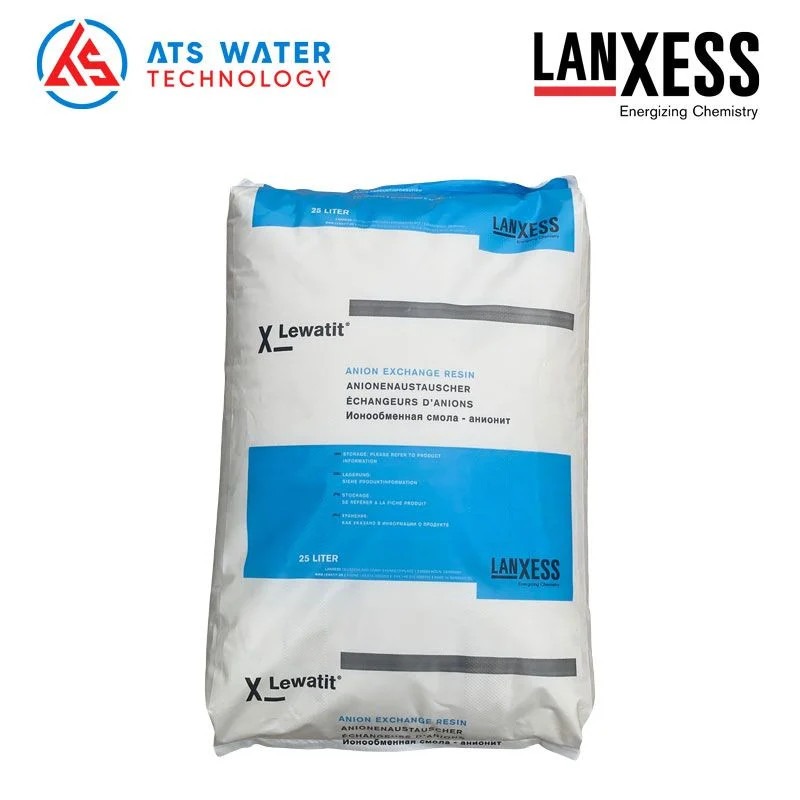
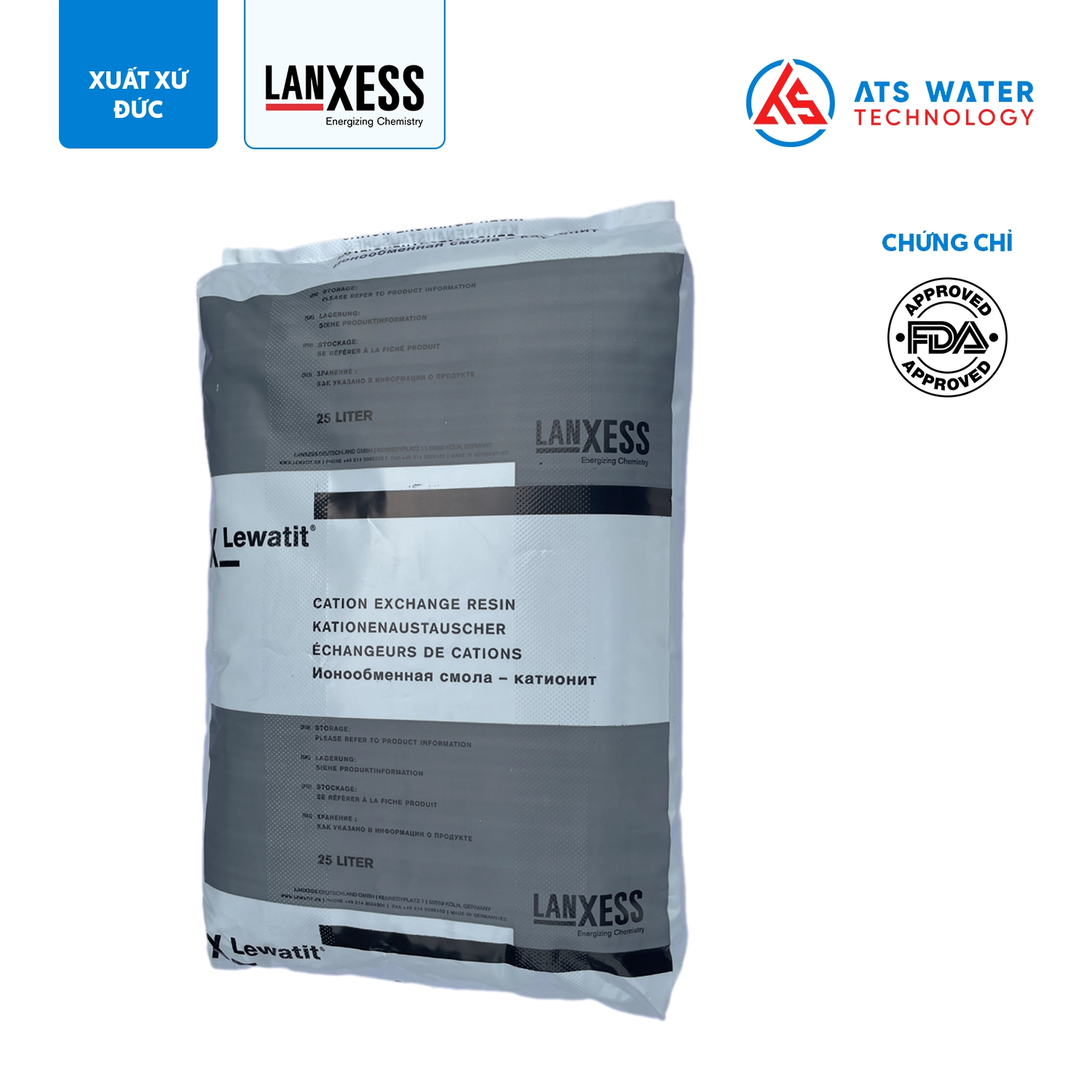
In UPW systems, ion exchange resins for the semiconductor industry must meet high standards for purity, chemical stability, and operational safety. Lewatit® resins by LANXESS (Germany) are engineered for these criteria. Key technical advantages include:
- Stable exchange performance: Maintains consistently high water resistivity throughout the operational cycle.
- MonoPlus® technology: Features monodisperse (uniform) bead size, improving flow distribution, reducing pressure drop, and enhancing backwash efficiency.
- High mechanical and chemical stability: Limits bead breakage and wear during non-stop service. These resins withstand osmotic shock and oxidative stress, markedly extending service life.
- Efficient regeneration: Ensures consistent recovery of operating capacity, optimizing long-term operational costs.
- International compliance: Fully compliant with standards for UPW in semiconductors, photovoltaics, and pharmaceuticals.

3. Specialized Lewatit® models for the semiconductor and photovoltaic industries
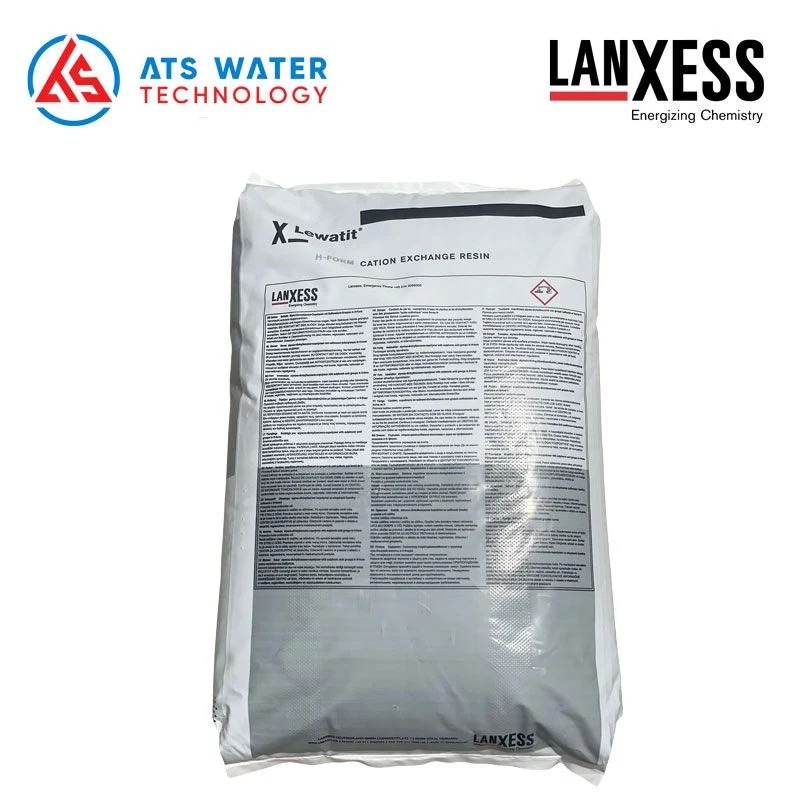
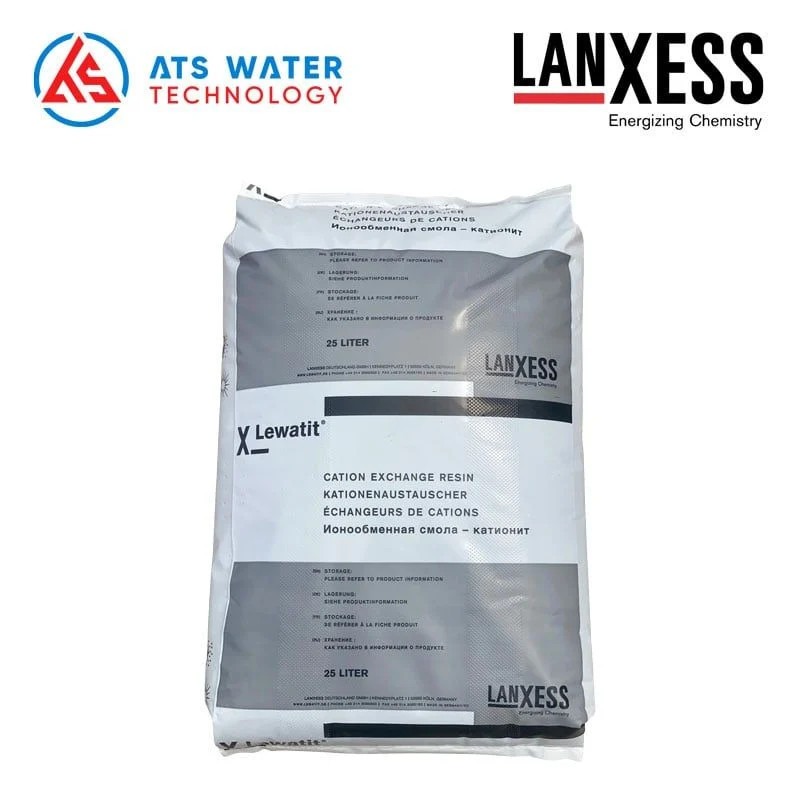
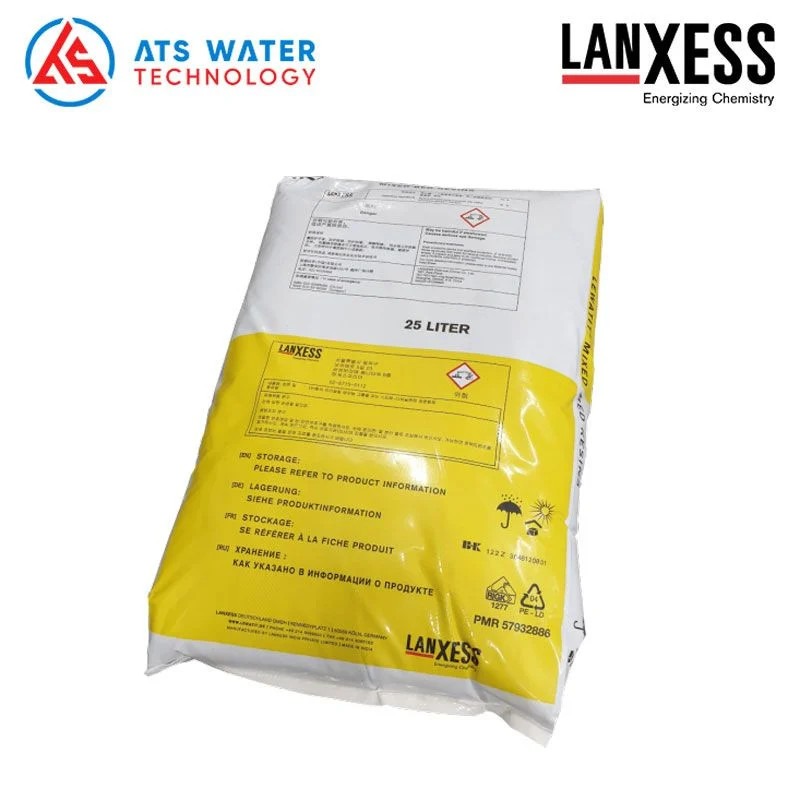
To meet the demands of the high-tech sector, LANXESS has developed a suite of Lewatit® grades, specialized ion exchange resins for the semiconductor industry, with stringent control over material purity, organic leaching (TOC), and long-term durability. These models achieve the 18.2 megohm benchmark required for advanced electronics.
| NO. | MODEL | RESIN TYPES | APPLICATION |
|---|---|---|---|
| 1 | Lewatit® UltraPure 1212 MD | Strong acidic cation (gel matrix) | Uniform particle size high-purity cation exchanger |
| 2 | Lewatit® UltraPure 1213 MD | Strong acidic cation (gel matrix) | Uniform particle size high-purity cation exchanger |
| 3 | Lewatit® UltraPure 1216 MD | Strong acidic cation (gel matrix) | Uniform particle size high-purity cation exchanger |
| 4 | Lewatit® UltraPure 1231 MD | Medium base anion (macroporous matrix) | Ultrapure water |
| 5 | Lewatit® UltraPure 1241 MD | Strong base anion – Type I (gel matrix) | Ultrapure water |
| 6 | Lewatit® UltraPure 1243 MD | Strong base anion – Type I (gel matrix) | Ultrapure water |
| 7 | Lewatit® UltraPure 1261 MD | Strong base anion – Type I (macroporous matrix) | Ultrapure water |
| 8 | Lewatit® K 7333 | Strong base anion – Type I (gel matrix) | Ultrapure water |
| 9 | Lewatit® NM 60 SG | Mixed bed (gel matrix) | Production of very pure water for semiconductor industry |
| 10 | Lewatit® UltraPure 1292 MD | Mixed bed (gel matrix) | Ultrapure water, very low TOC leaching |
| 11 | Lewatit® UltraPure 1294 MD | Mixed bed (gel matrix) | Polishing to get 18+ megohm water |
| 12 | Lewatit® UltraPure 1296 MD | Mixed bed (gel matrix) | Polishing to get 18+ megohm water |
| 13 | Lewatit® UltraPure 1297 MD | Mixed bed (gel matrix) | Ultrapure water cartridge applications |
4. Frequently asked questions about ion exchange resins for the semiconductor industry
Why does UPW treatment in the semiconductor industry require ion exchange resins?
Ion exchange resins are essential for the total removal of residual dissolved ions that RO and EDI cannot fully eliminate. They are the key technology for deep deionization and “polishing” water to the required purity levels.
In which specific semiconductor areas are these resins used?
They are used throughout the production and distribution of ultrapure water, particularly for sensitive process steps such as wafer rinsing and chemical-mechanical polishing (CMP).
How do semiconductor-grade resins differ from standard water treatment resins?
Semiconductor-grade resins undergo a more stringent rinse-up process to prevent leaching of total organic carbon (TOC) or trace metals into water. These resins achieve superior ionic conversion rates (regeneration) than standard industrial resins.
Which Lewatit® models are specialized for semiconductors and photovoltaics?
LANXESS offers several dedicated Lewatit® models, including Lewatit® UltraPure 1212 MD and 1241 MD (Cation/Anion), and the UltraPure 1292 MD, 1294 MD, and 1296 MD mixed-bed series, designed for deep deionization and final polishing of UPW.
In conclusion, ion exchange resins for the semiconductor industry play a pivotal role in Ultra Pure Water treatment systems, controlling ions and impurities at ultra-low levels. Selecting the right specialized resin is key to process stability and product quality in semiconductor and photovoltaic manufacturing. Let’s model your UPW cost-per-wafers together to enhance efficiency and quality outcomes. Contact ATS Water Technology to explore tailor-made solutions for your specific needs.
ATS WATER TECHNOLOGY CO., LTD
- Head office: 54/18 Bui Quang La, An Hoi Tay Ward, HCMC, Vietnam
- Branch office: 77 DHT10B, Dong Hung Thuan Ward, HCMC, Vietnam
- Consultation and support: (028) 6258 5368 – (028) 6291 9568
- Email: info@atswatertechnology.com
- Social media: Facebook | LinkedIn | YouTube
- Quick contact: Zalo Official | Telegram | WhatsApp