

 Solution
  Technology
  Application





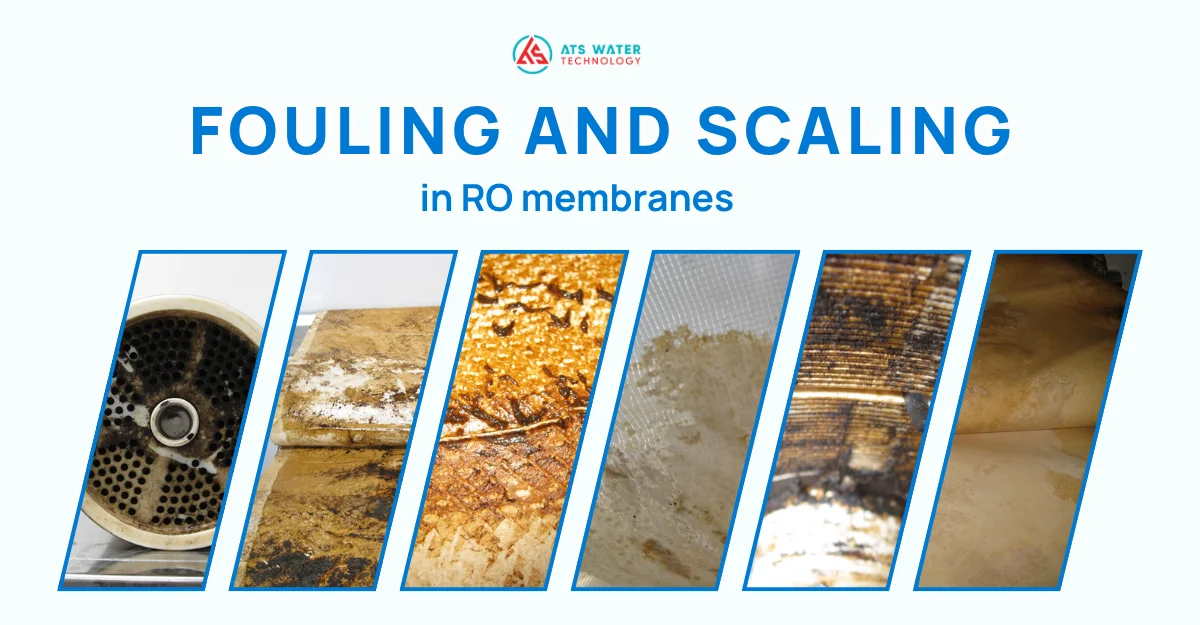
A clogged RO membrane is one of the most common and serious issues in industrial water treatment systems. When this occurs, system performance drops significantly, product water quality deteriorates, and maintenance and operating costs rise. This article from ATS Water Technology will help you better understand the problem.
1. How to detect a clogged RO membrane in industrial systems
Early detection of RO membrane fouling helps reduce operating costs, extend system lifespan, and maintain consistent water quality. Common symptoms include:
- Significant reduction in permeate flow: Fouling reduces the membrane’s permeability, causing output to fall short of design capacity.
- Increased differential pressure (ΔP): A higher pressure drop between the inlet and outlet of the pressure vessel indicates blockages due to contaminant buildup.
- Declining water quality: Higher TDS in permeate or reduced salt rejection indicates loss of treatment efficiency.
- Higher operating pressure: The system requires increased pump pressure to maintain flow, resulting in greater energy consumption.
- Abnormal membrane weight gain: Caused by accumulation of fouling deposits.
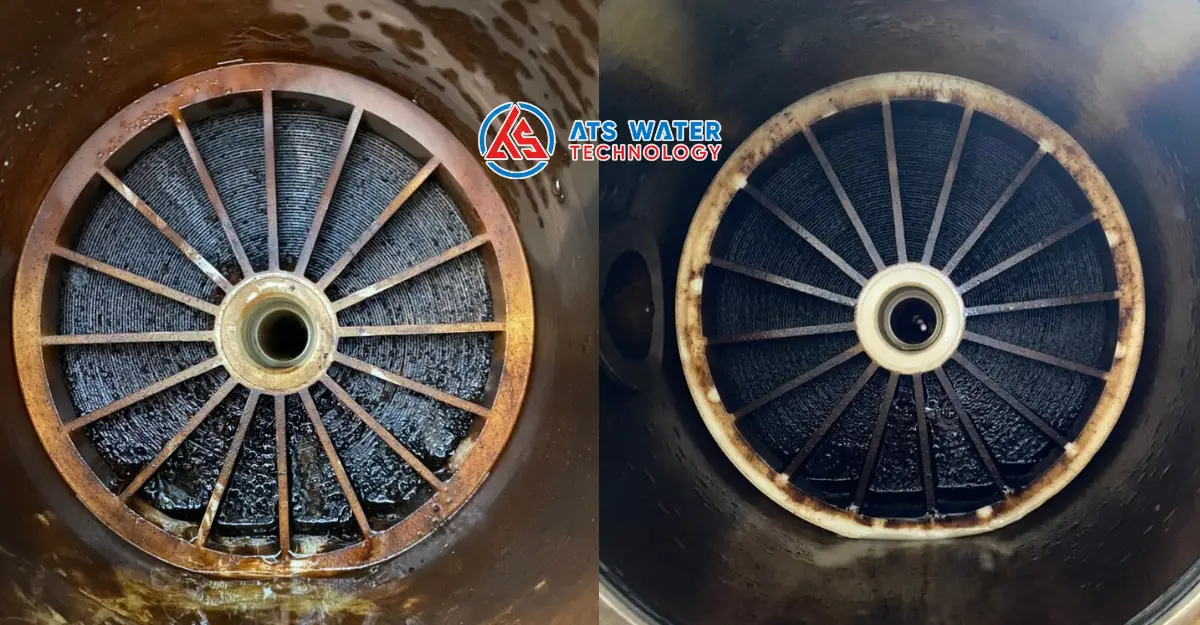
2. Common causes of a clogged RO membrane in industrial systems
RO membrane clogging may result from biological, chemical, or operational factors, as well as feedwater quality. Identifying the root cause is key to effective treatment and prevention.
- Biofouling: Growth of bacteria and microorganisms forms a biofilm on the membrane surface, restricting water flow. This is a frequent and challenging issue without adequate pretreatment.
- Colloidal fouling: Caused by accumulation of clay, silica, or metal hydroxides. Often occurs when coagulation or fine filtration is insufficient. Can be monitored via the Silt Density Index (SDI).
- Inorganic scaling: Precipitation of salts such as calcium carbonate, sulfates, or barium occurs in high-TDS or alkaline water. This is a major contributor to rising ΔP and reduced membrane lifespan if antiscalants are not properly used.
- Operational and maintenance issues: Lack of routine membrane cleaning, poor pretreatment performance, or improper control of pH, temperature, and pressure.
- Poor feedwater quality: High levels of contaminants, unstable operating conditions, or inadequate cleaning schedules accelerate fouling, reduce filtration efficiency, and shorten RO membrane lifespan.
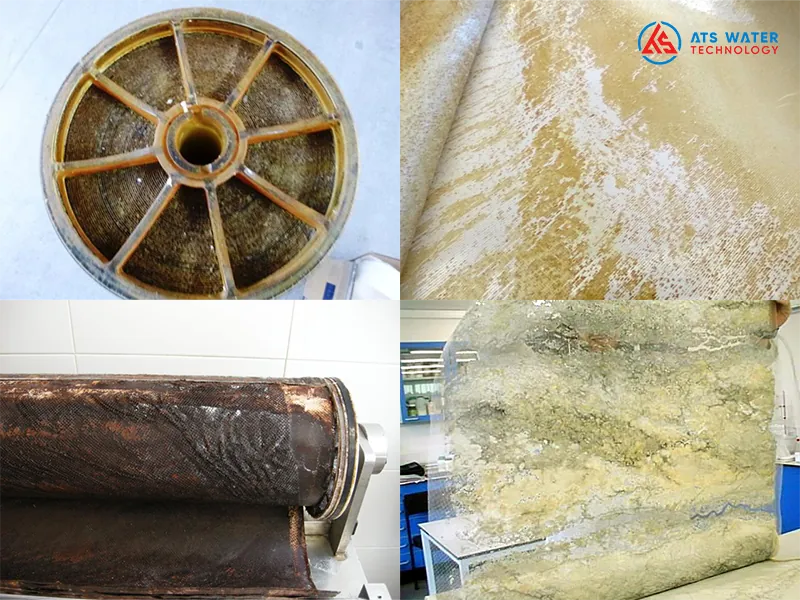
To better understand the causes and warning signs, see our guide to RO membrane fouling and scaling, including their key indicators and differences.
3. Effective solutions for clogged RO membranes in industrial systems
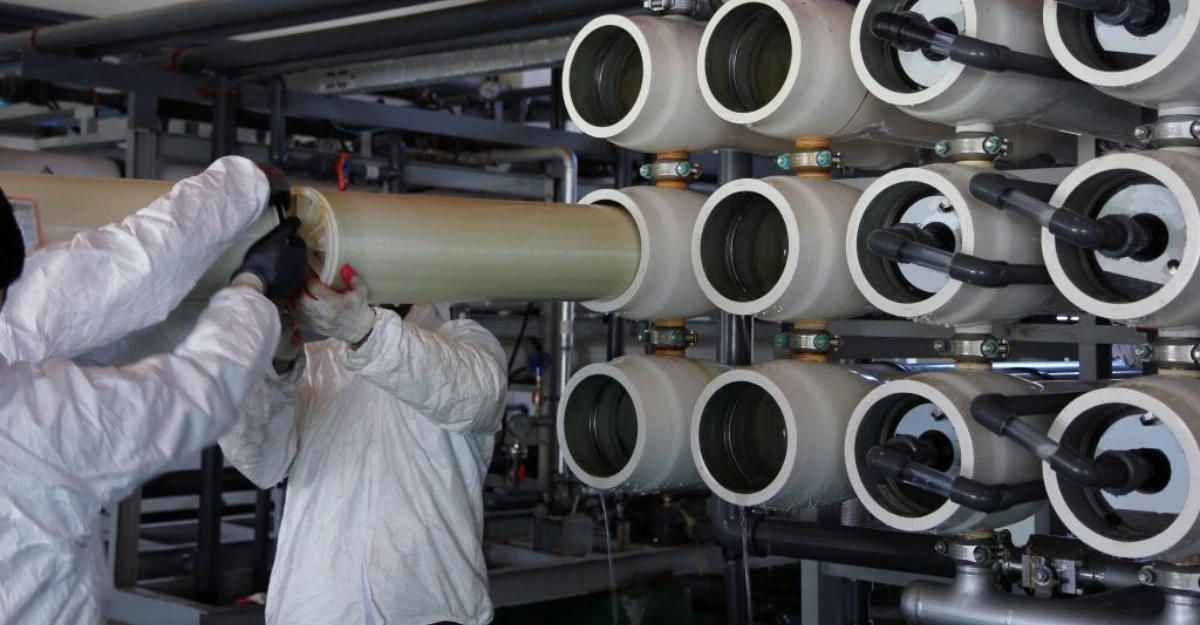
When RO membranes in an industrial water treatment system become clogged, corrective actions must be taken using specialized procedures to ensure effective cleaning and restore membrane performance. Below are common technical solutions applied in the industry:
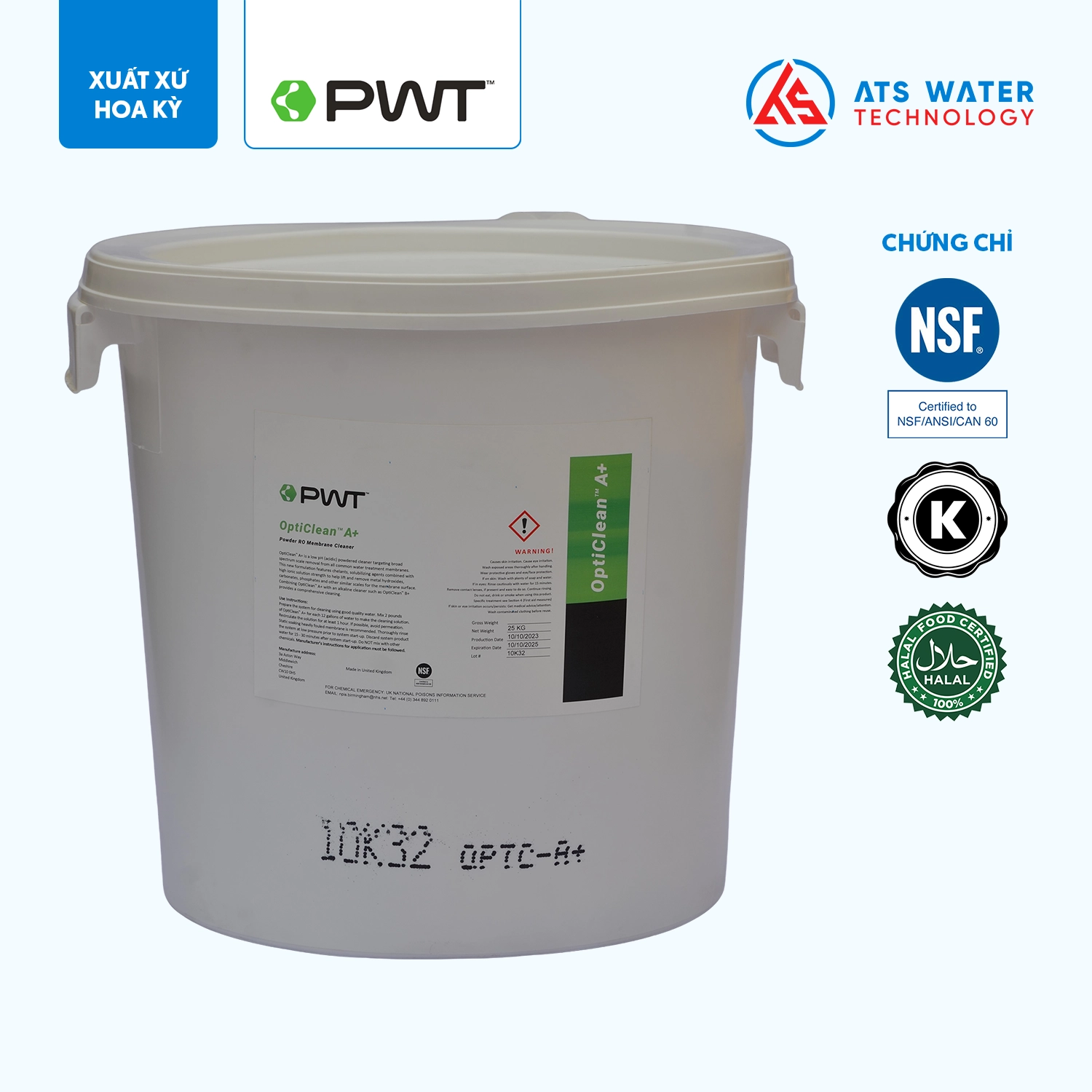
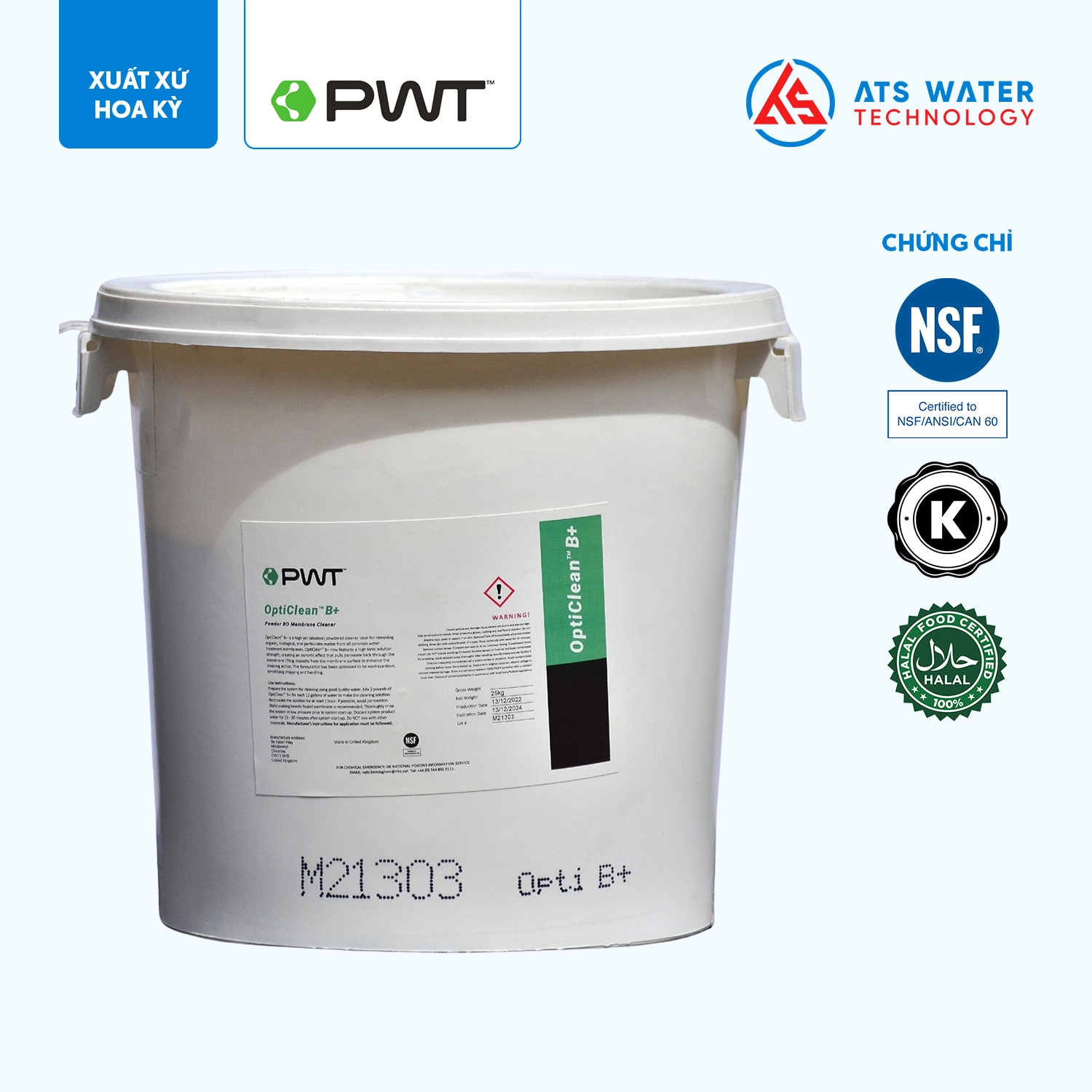
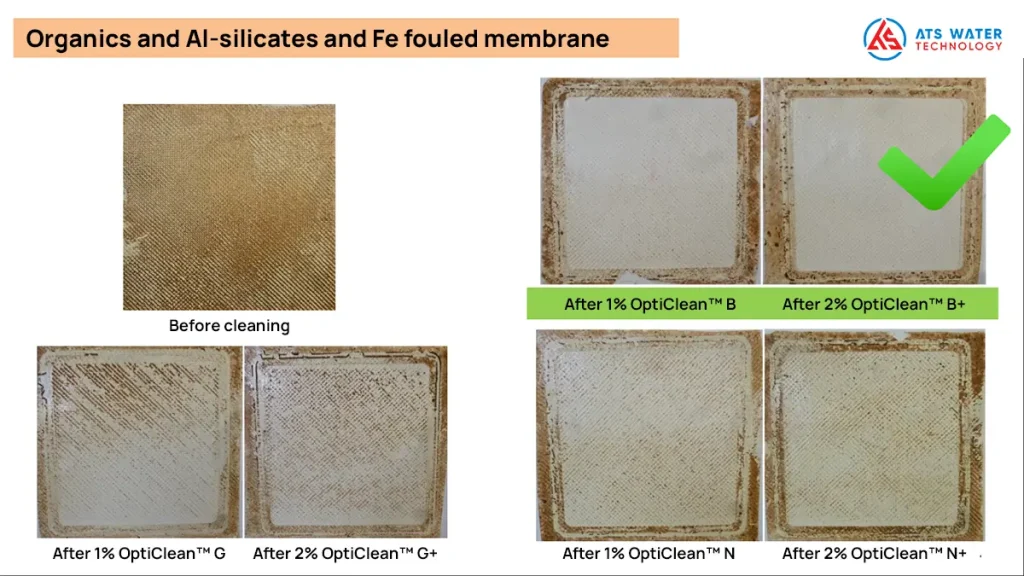
- Chemical cleaning: Apply specialized RO cleaning chemicals such as OptiClean™ A+ (for inorganic scaling), OptiClean™ B+ (for organic fouling and biofilm), and surfactants. This is the most effective and widely used method.
- Membrane replacement: When cleaning is no longer effective and the membrane cannot regain its filtration capacity, replacement becomes necessary to maintain system performance.
4. How to prevent RO membrane clogging
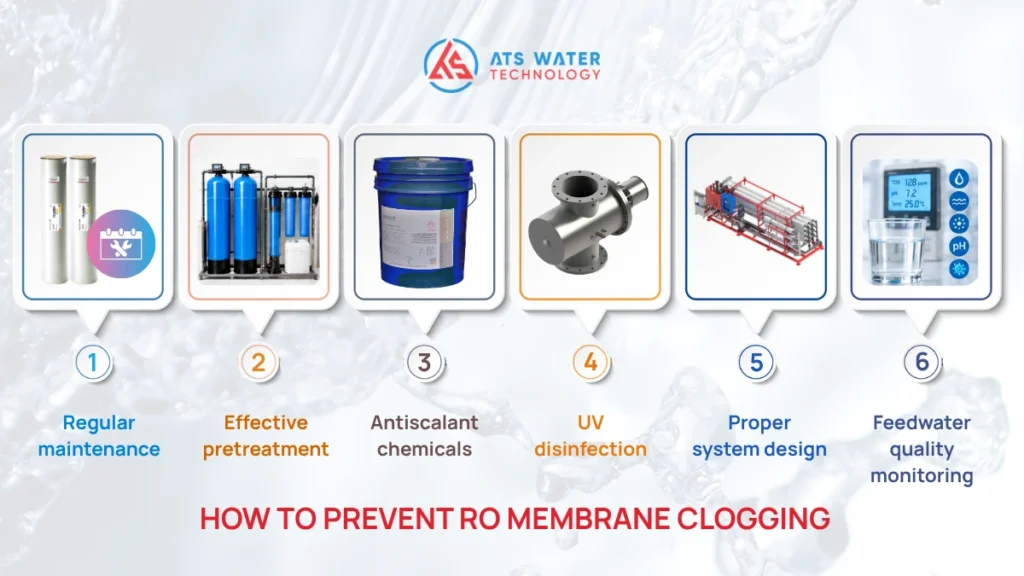
Prevention is the key to stable operation, cost savings, and extended equipment lifespan. The following measures should be implemented together:
- Regular maintenance: Perform scheduled inspections and cleanings as recommended by the manufacturer. Routine maintenance prevents fouling buildup and ensures stable system performance.
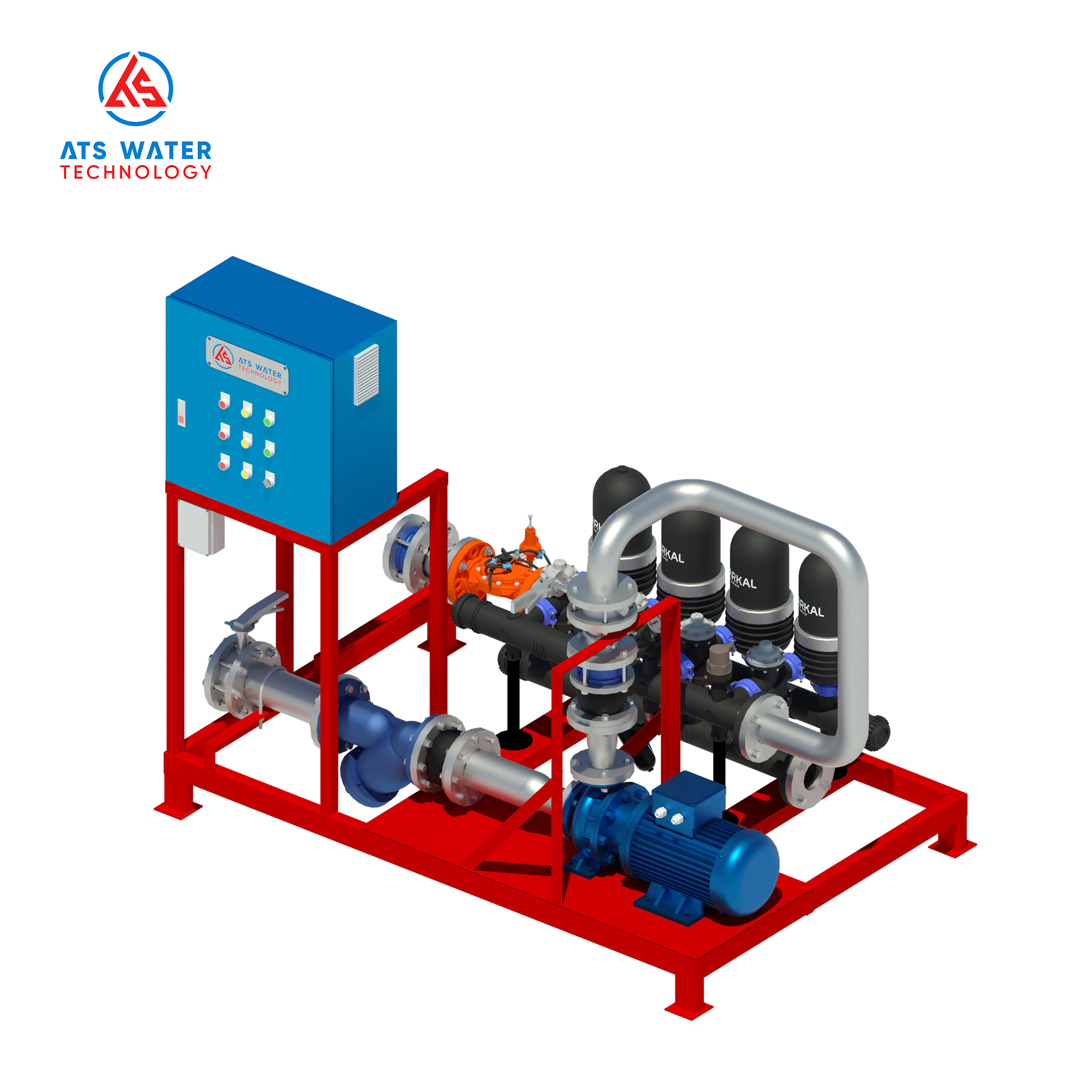
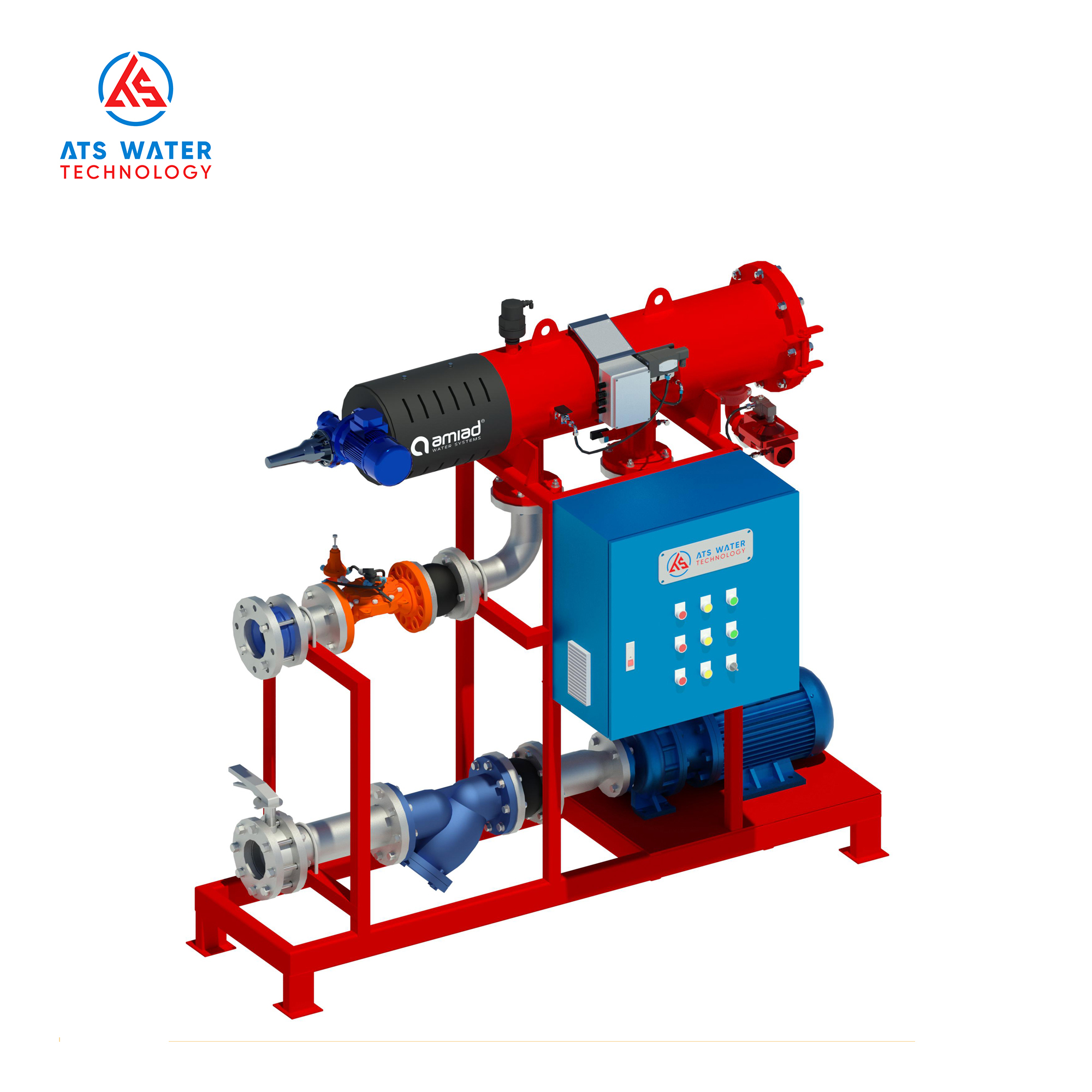
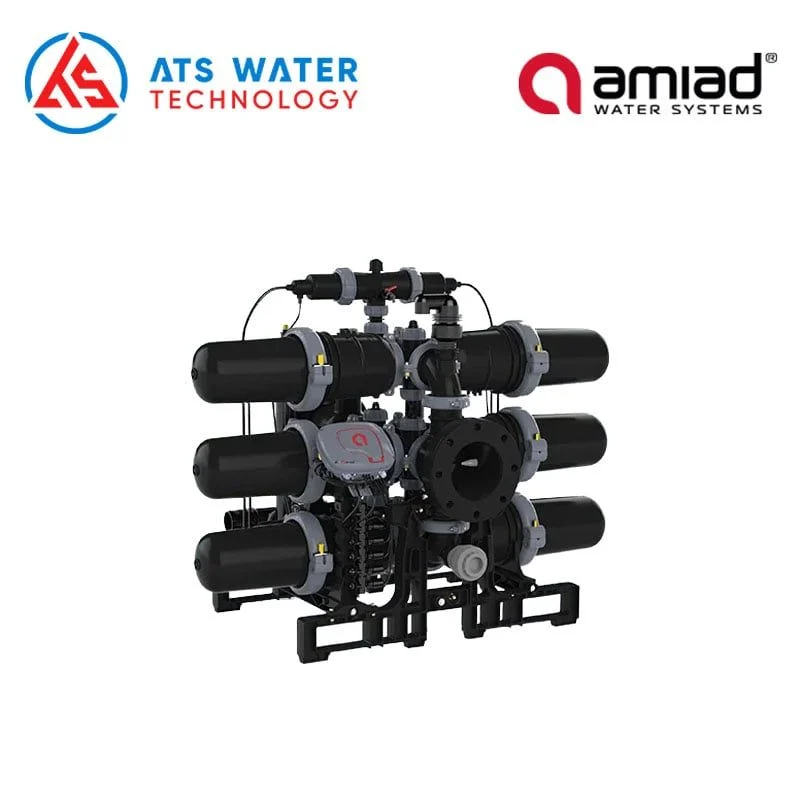
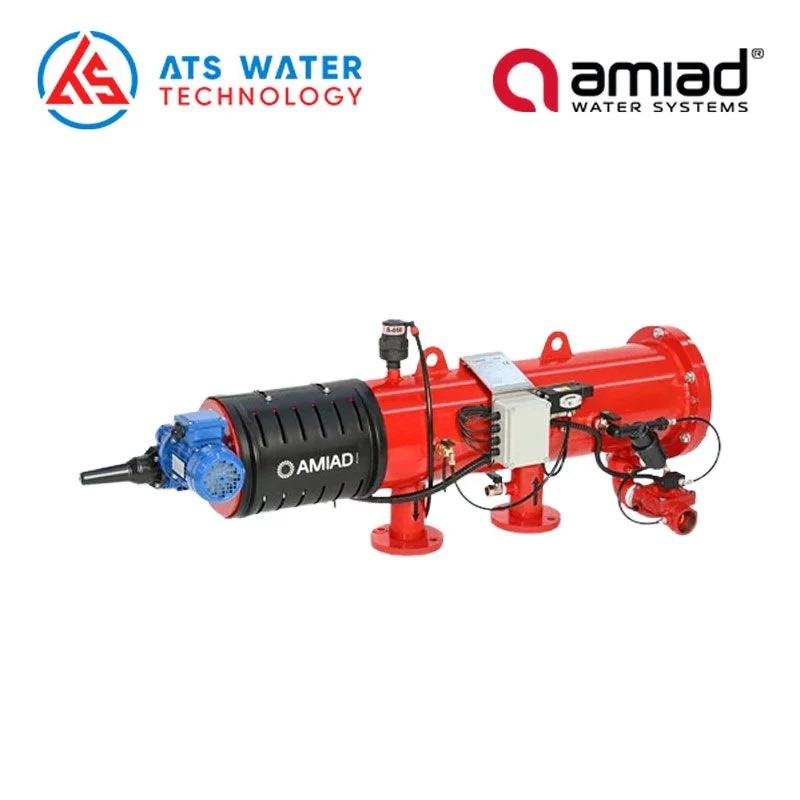
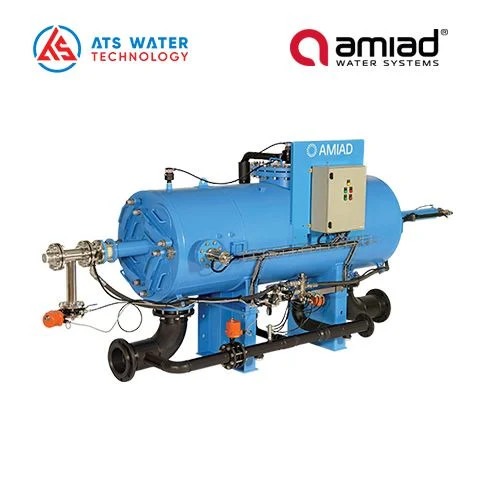
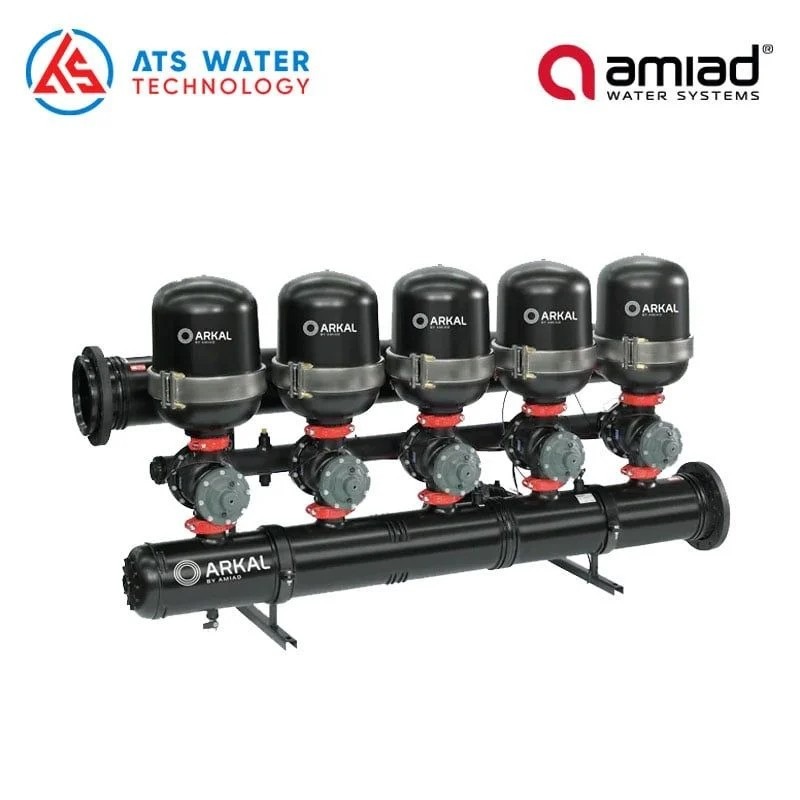
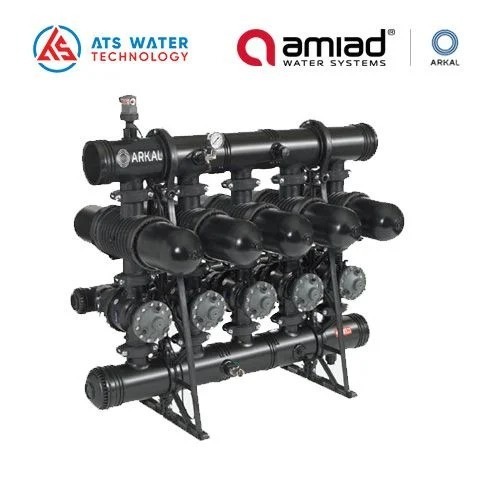
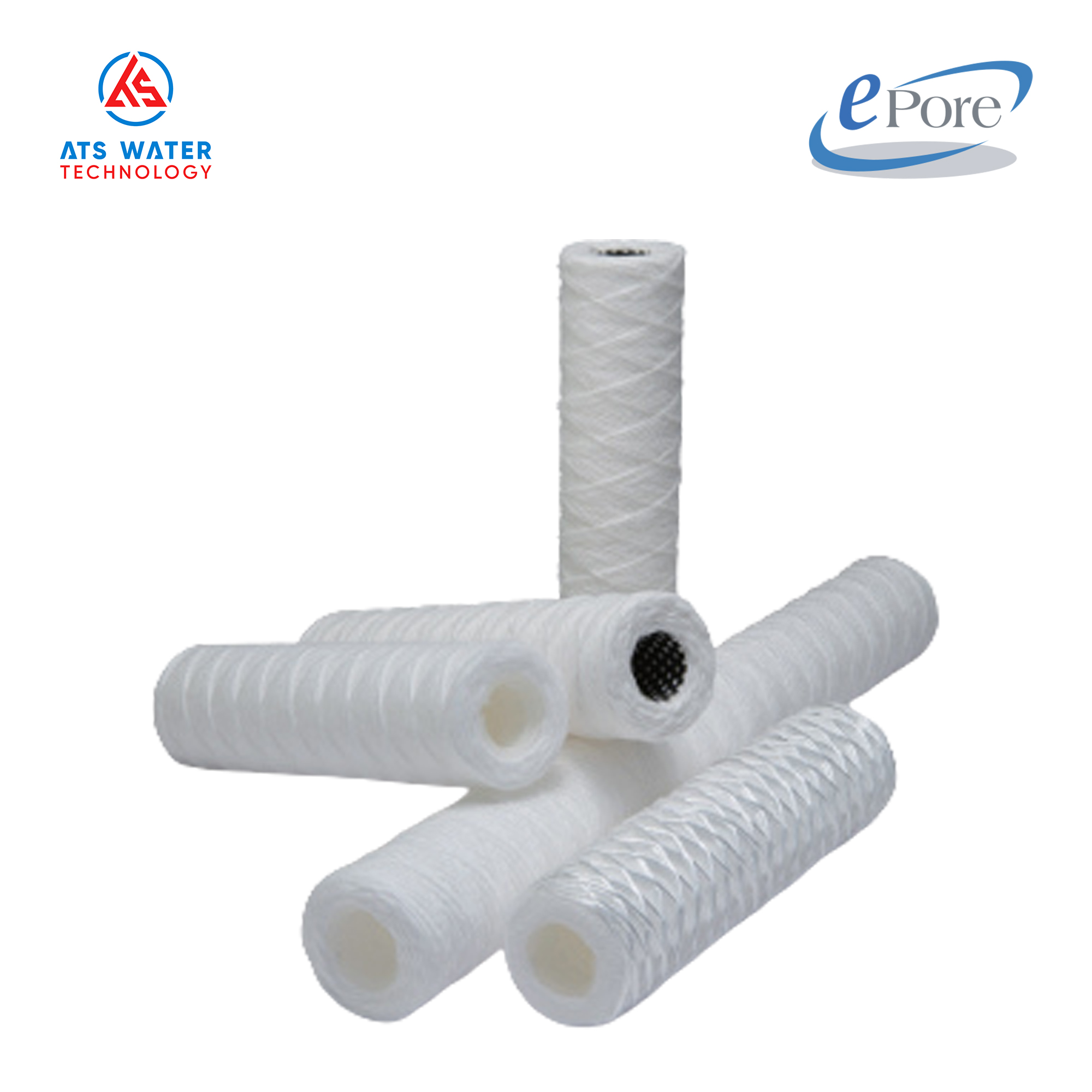
- Effective pretreatment: Install proper pretreatment systems such as multimedia filters, automatic backwash filters, ultrafiltration (UF), and activated carbon to remove suspended solids, organic matter, and heavy metals. This protects RO membranes from fouling and damage.
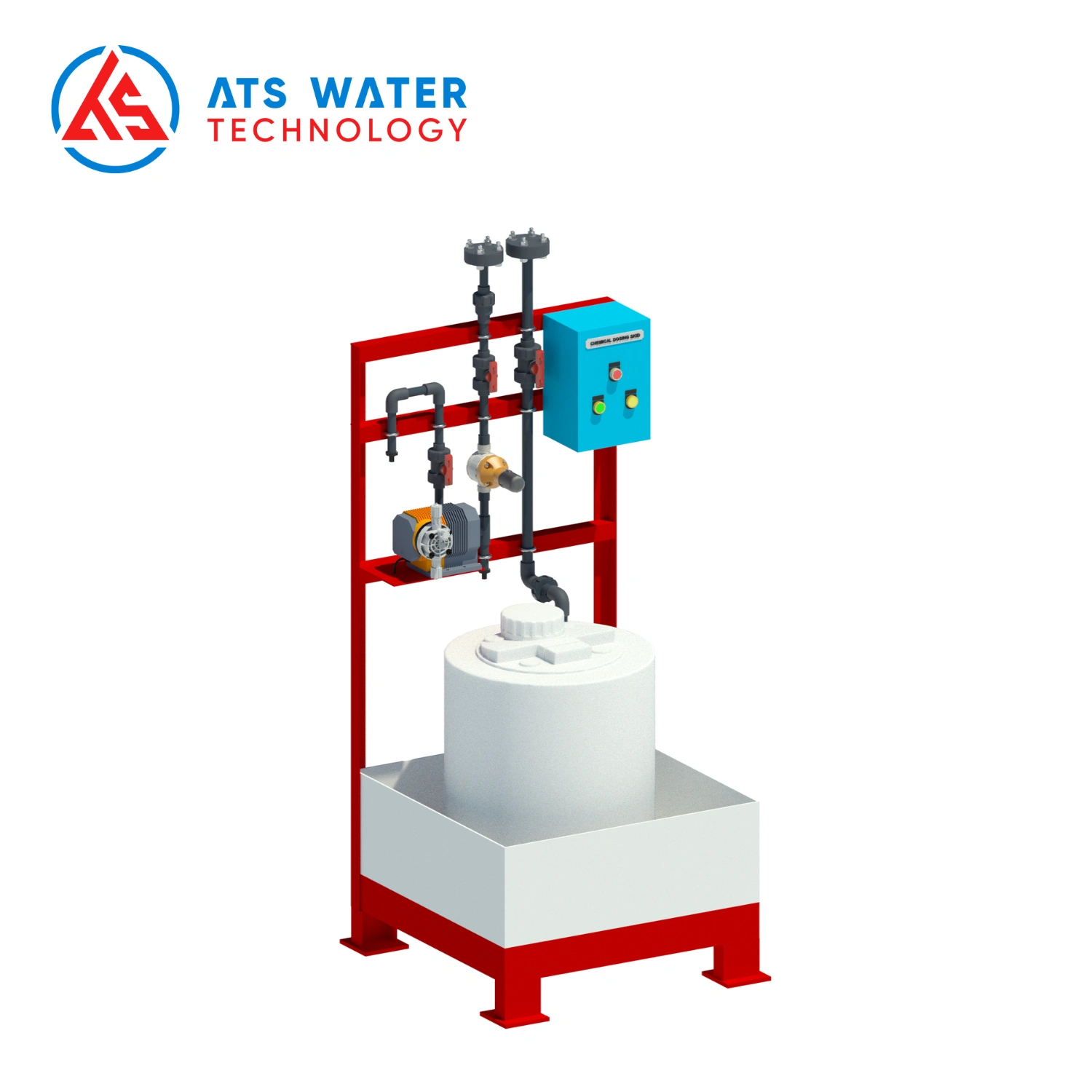
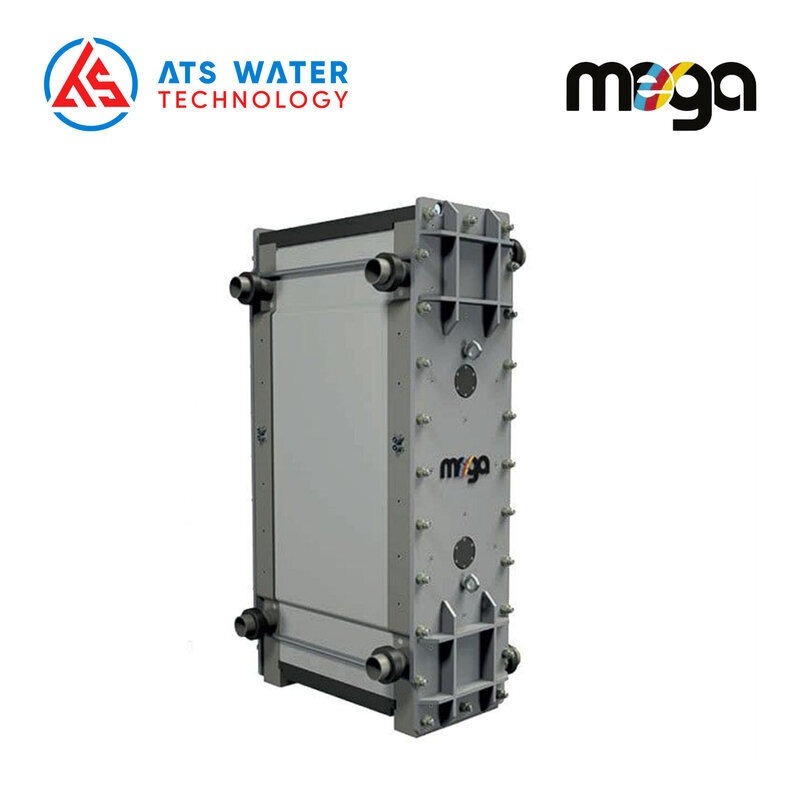
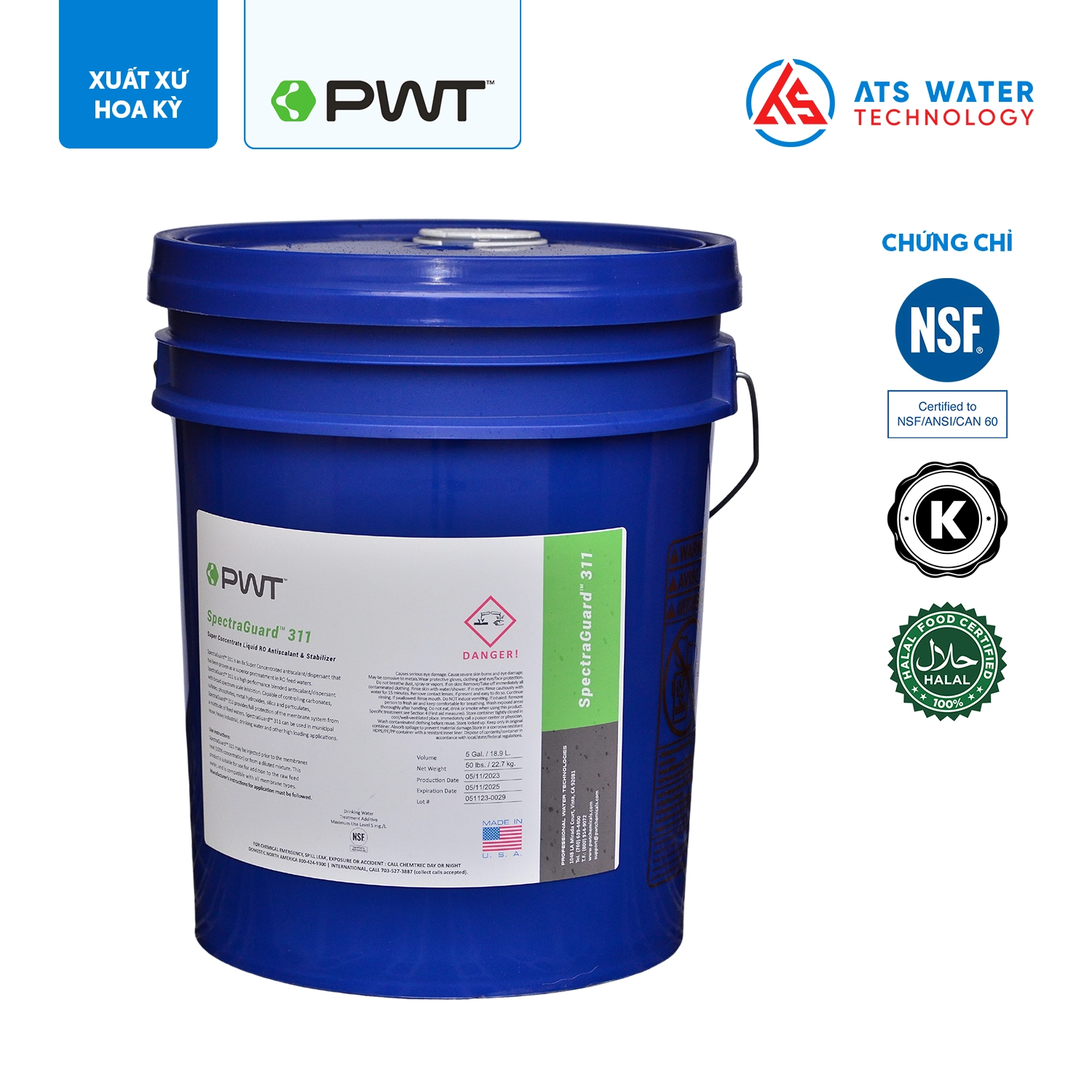
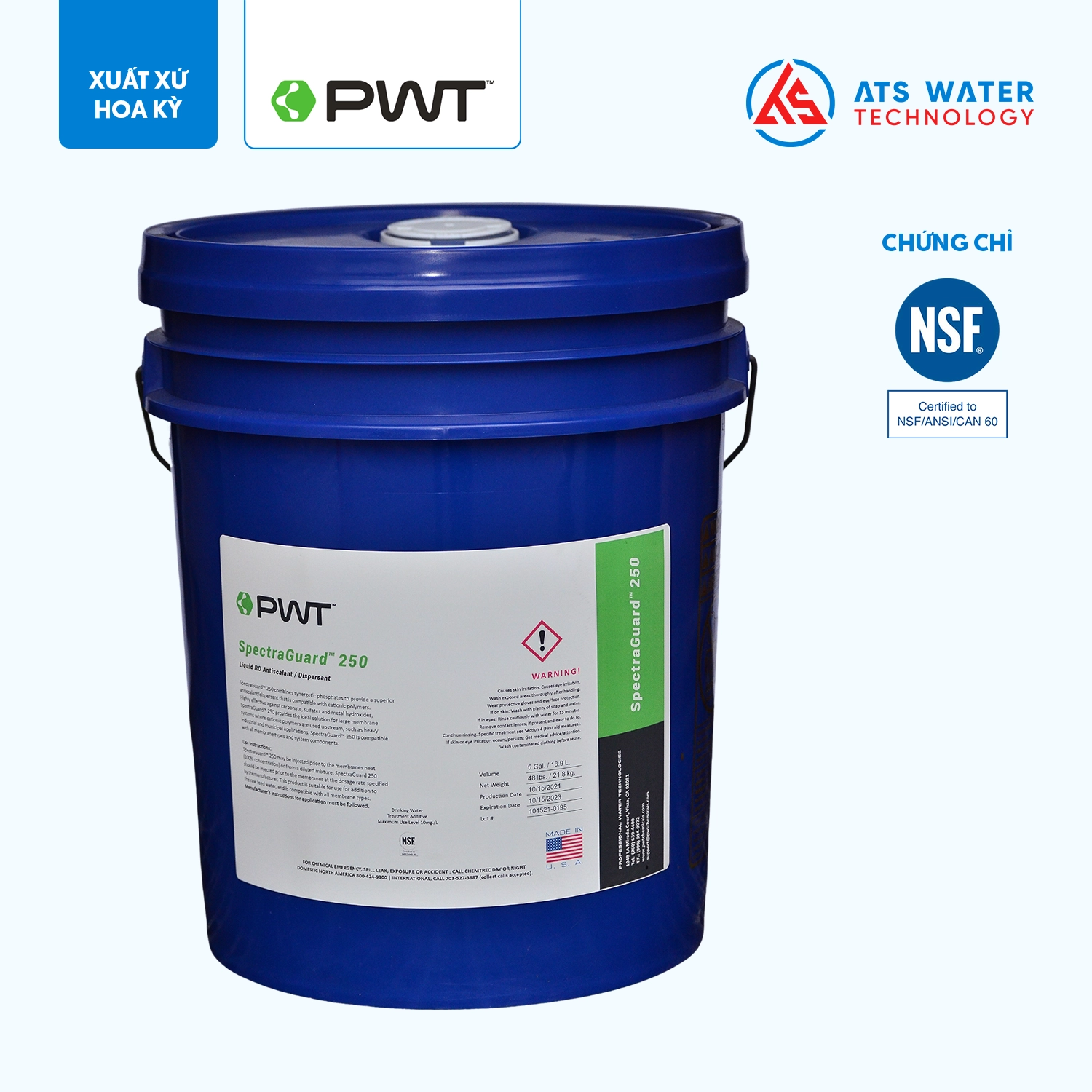
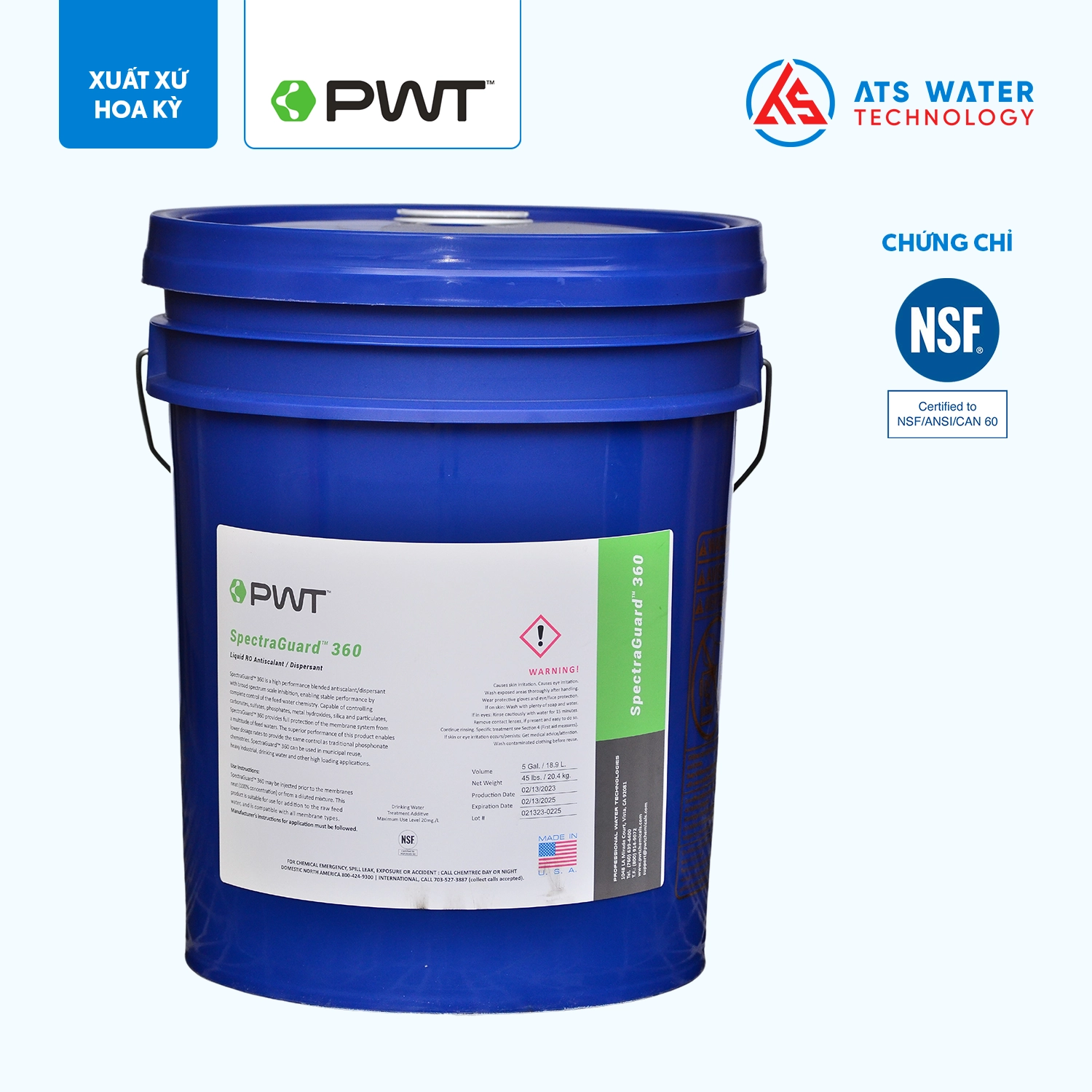
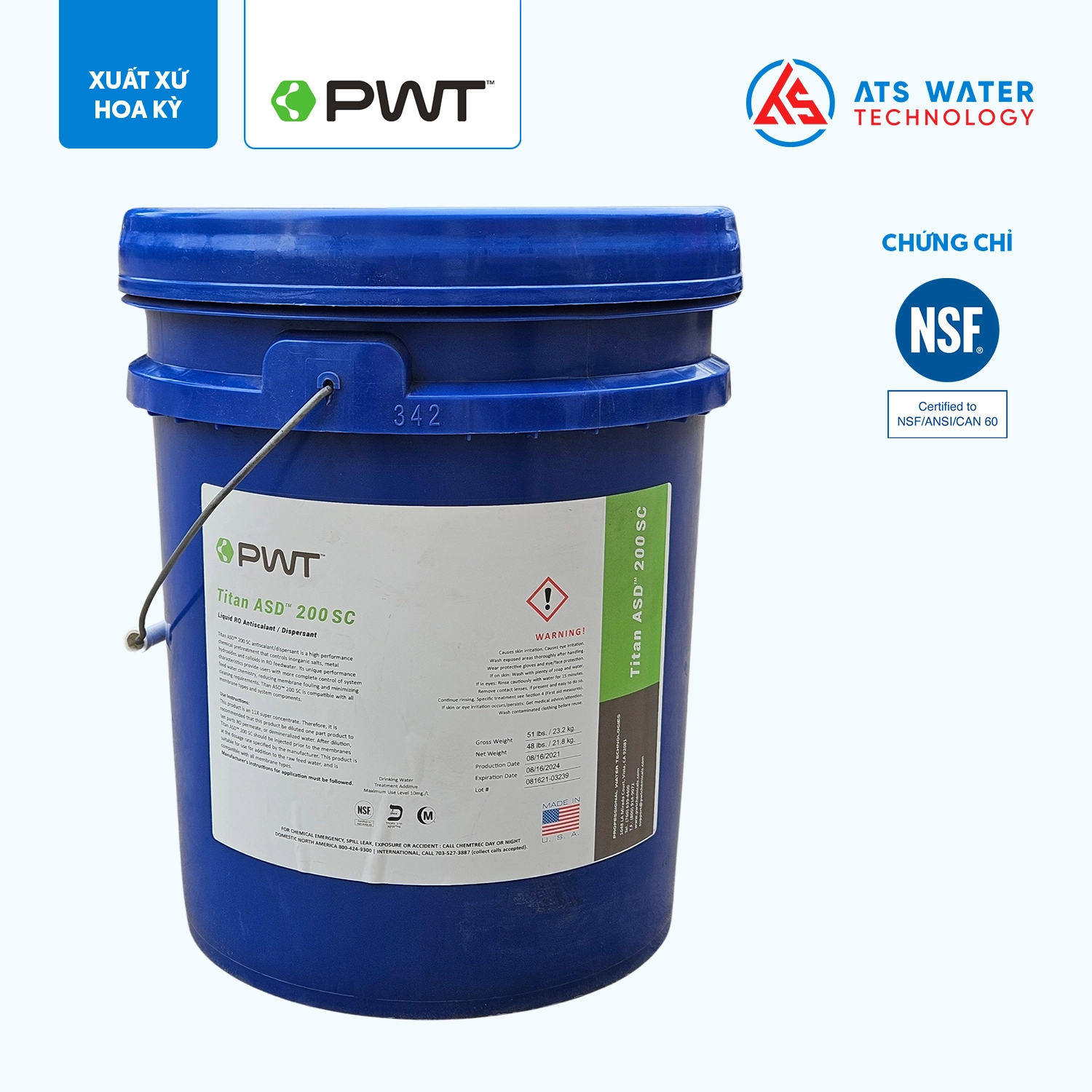
- Antiscalant chemicals: Use appropriate antiscalants to prevent mineral precipitation on membrane surfaces, especially critical when treating hard water.
- UV disinfection: Installing UV systems before the RO membranes helps eliminate bacteria and microorganisms, thereby reducing biofilm formation.
- Proper system design: Select an RO system capacity that matches actual demand to avoid overloading, which increases fouling risk and shortens membrane lifespan.
- Feedwater quality monitoring: Regularly track parameters such as TDS, SDI, turbidity, pH, and microbial density. Promptly adjust pretreatment processes if abnormal changes are detected to protect the RO system.
5. Frequently asked questions about clogged RO membranes
What are the main causes of RO membrane clogging in industrial systems?
Main causes include organic fouling, inorganic scaling, biofouling, colloids, poor feedwater quality, and operational errors or lack of maintenance.
How does feedwater quality affect the severity of RO membrane clogging?
Feedwater with high suspended solids, microorganisms, heavy metals, or elevated SDI accelerates fouling, reducing membrane efficiency and lifespan.
What are the symptoms of a clogged RO membrane?
Typical symptoms include reduced water output, increased ΔP, higher operating pressure, declining product water quality (higher TDS), and abnormal weight gain of the membrane.
Should the system be shut down when the RO membrane is clogged?
Depending on the situation, customers should immediately contact the supplier’s technical team to inspect and resolve the issue promptly. This prevents equipment damage, higher operating costs, or irreversible membrane failure.
What should be done when an RO membrane is clogged?
Perform chemical cleaning following the correct procedure. If this proves ineffective, inspect the membrane structure to determine whether replacement is necessary.
What are the most effective ways to prevent RO membrane clogging?
Thorough pretreatment, scheduled maintenance, use of antiscalants and UV disinfection, strict feedwater monitoring, and operating the RO system within its designed capacity are the most effective preventive measures.
Thus, a clogged RO membrane is an issue that must not be underestimated in the operation of industrial water treatment systems. To avoid losses in cost and performance, it is essential to invest properly in pretreatment, water quality monitoring, and regular maintenance. Contact ATS Water Technology Co., Ltd today for timely consultation and expert support!
ATS WATER TECHNOLOGY CO., LTD
- Head office: 54/18 Bui Quang La, An Hoi Tay Ward, HCMC, Vietnam
- Branch office: 77 DHT10B, Dong Hung Thuan Ward, HCMC, Vietnam
- Consultation and support: (028) 6258 5368 – (028) 6291 9568
- Email: info@atswatertechnology.com
- Social media: Facebook | LinkedIn | YouTube
- Quick contact: Zalo Official | Telegram | WhatsApp