 Solution
 Technology
 Application


RO feed water quality standards play a critical role in determining membrane performance, service life, and the overall reliability of an RO system. Maintaining proper feed water quality in accordance with technical requirements helps minimize scaling, membrane oxidation, and operational issues. In this article, ATS Water Technology explores the key RO feed water parameters that should be monitored to protect RO membranes and ensure stable system performance.
1. Why is RO feed water quality important?
RO membranes are the core components of a reverse osmosis (RO) system, designed to remove dissolved salts, microorganisms, and various contaminants from water. However, RO membranes are also highly sensitive to contaminants in the incoming feed water.
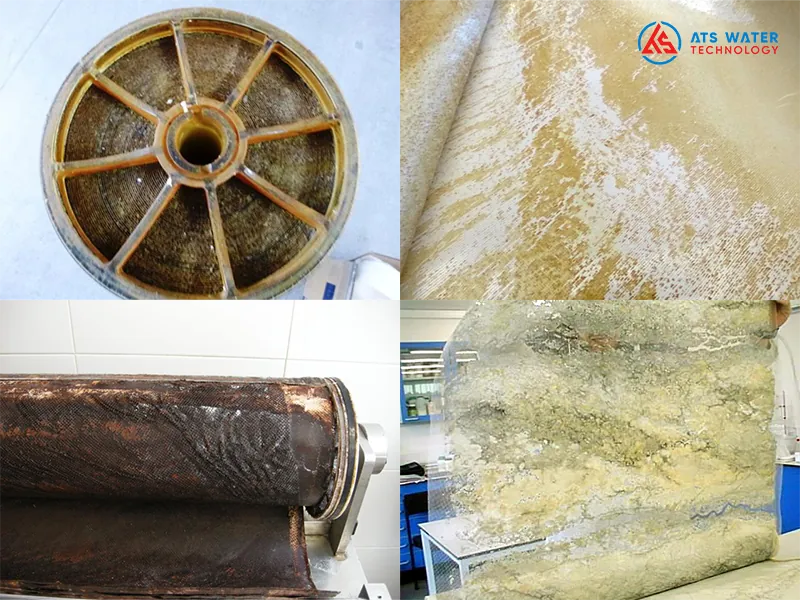
If feed water quality for RO system is not properly controlled, the system may experience several operational issues, including:
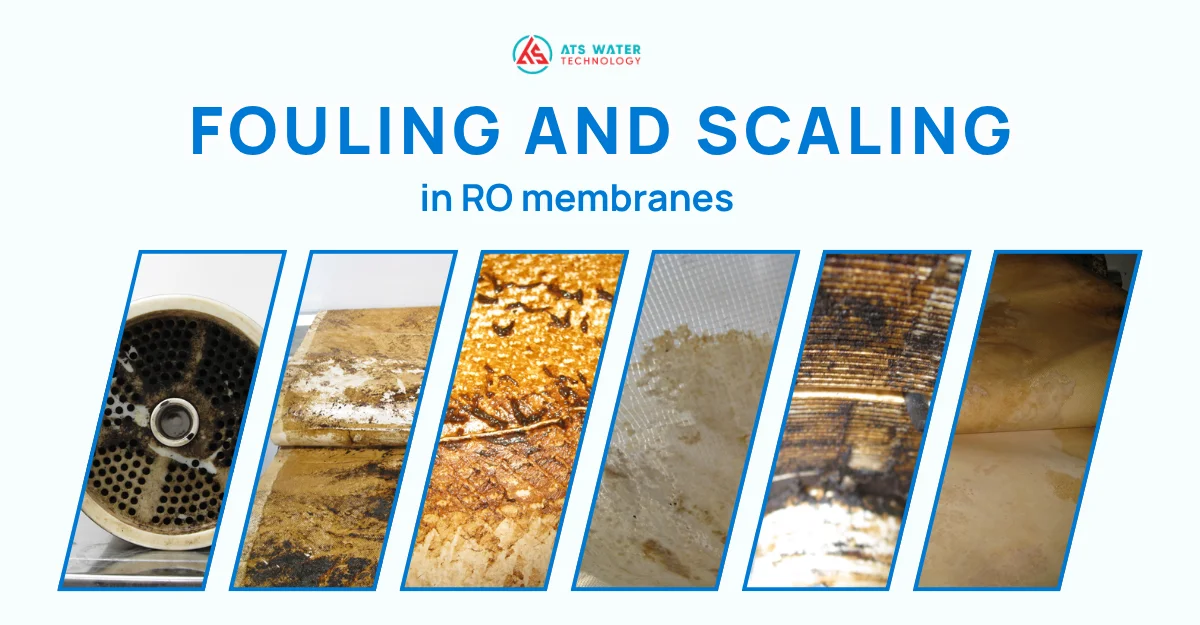
- Inorganic scaling: Mineral salts such as calcium, magnesium, and silica can precipitate on the membrane surface, reducing water flow, increasing operating pressure, and consuming more energy.
- Organic fouling: Organic matter, colloidal particles, and dissolved contaminants can accumulate on the membrane surface, reducing filtration performance and water flow while increasing the frequency of membrane cleaning.
- Biofouling: Microorganisms can grow and form a biofilm on the RO membrane surface, reducing treatment performance, increasing differential pressure, and shortening membrane service life.
- Membrane oxidation: Residual chlorine and strong oxidizing agents can damage the polyamide layer of RO membranes, reducing salt rejection and affecting membrane service life.
Therefore, assessing feed water quality and ensuring compliance with RO feed water quality requirements from the outset are essential for maintaining stable system performance and extending RO membrane service life.
2. RO feed water quality standards and key parameters
To ensure stable RO system operation and extend membrane service life, feed water quality should be maintained within the recommended limits specified by the membrane manufacturer.
Each parameter indicates a specific risk, including RO membrane fouling and scaling, oxidation, or reduced membrane performance. Therefore, a comprehensive assessment of feed water parameters before water enters the system is essential for proper system design and operation.
The following table summarizes the recommended RO feed water limits based on NanoH2O’s technical guidelines:
| PARAMETER | UNIT | RECOMMENDED LIMIT |
|---|---|---|
| SDI | – | < 5 |
| Oil and Grease | mg/L | 0 |
| TOC | mg/L | ≤ 2 |
| Aluminum (Al) | mg/L | ≤ 0.05 |
| Manganese (Mn) | mg/L | ≤ 0.05 |
| Ferrous iron (Fe²⁺) | mg/L | ≤ 3 |
| Ferric iron (Fe³⁺) | mg/L | ≤ 0.05 |
| Free Chlorine | mg/L | ≤ 0.1 |
| ORP | mV | ≤ 250 |
| Turbidity | NTU | ≤ 1 |
| H₂S | mg/L | ≤ 0.1 |
| Silica (SiO₂) | mg/L | Consult antiscalant manufacturer if projected concentrate SiO2 exceeds 140 mg/L |
| LSI | – | ≤ 0 |
After assessing the overall parameters, it is important to understand the significance and role of each indicator to select appropriate pretreatment technologies and operating strategies. During the RO feed water pretreatment process, the following parameters play an important role in membrane performance and service life.
2.1. Silt density index (SDI)
SDI (Silt Density Index) measures the fouling potential of feed water caused by colloidal particles and suspended solids. This index is determined in accordance with ASTM D4189, using a 15-minute test period.
To meet the recommended RO feed water quality standards, the SDI of the feed water should be below 5. A lower SDI indicates a reduced risk of fouling on the membrane surface, helping the system operate stably and extending RO membrane service life.
2.2. Oil and grease
In principle, RO feed water must be free of oil and grease. Hydrocarbon compounds can adsorb onto the membrane surface, reducing water permeability and affecting treatment performance.
The extent of the impact depends on the nature of the organic compounds, including saturated, unsaturated, aromatic, and straight-chain hydrocarbons. Among these, hydrocarbons containing more than seven carbon atoms generally have a more significant impact on RO membranes.
2.3. TOC, COD, and BOD
TOC (Total Organic Carbon), COD (Chemical Oxygen Demand), and BOD (Biochemical Oxygen Demand) are indicators of organic matter content in water. High values increase the risk of organic fouling and biofouling on RO membranes.
The organic loading capacity of RO membranes also depends on several factors, including the origin of organic matter (NOM, SOC), molecular structure, electrical charge, and molecular weight. Therefore, for water sources with high organic content, TOC, COD, and BOD should be evaluated together to determine an appropriate pretreatment solution.

2.4. Aluminum (Al), manganese (Mn), and iron (Fe)
Aluminum and manganese can cause inorganic scaling on RO membrane surfaces, reducing water flow and increasing operating differential pressure. Therefore, the concentrations of these two metals in RO feed water should be maintained at no more than 0.05 mg/L.
For iron, two forms should be distinguished:
- Ferrous iron (Fe²⁺): Typically exists at pH below 6 and dissolved oxygen concentrations below 0.5 mg/L. This form has a relatively low impact on RO membranes and can be tolerated at concentrations up to 3 mg/L.
- Ferric iron (Fe³⁺): Easily precipitates into iron oxide particles that can accumulate on the membrane surface, causing severe fouling. Therefore, Fe³⁺ concentrations should be maintained at no more than 0.05 mg/L.
2.5. Free chlorine
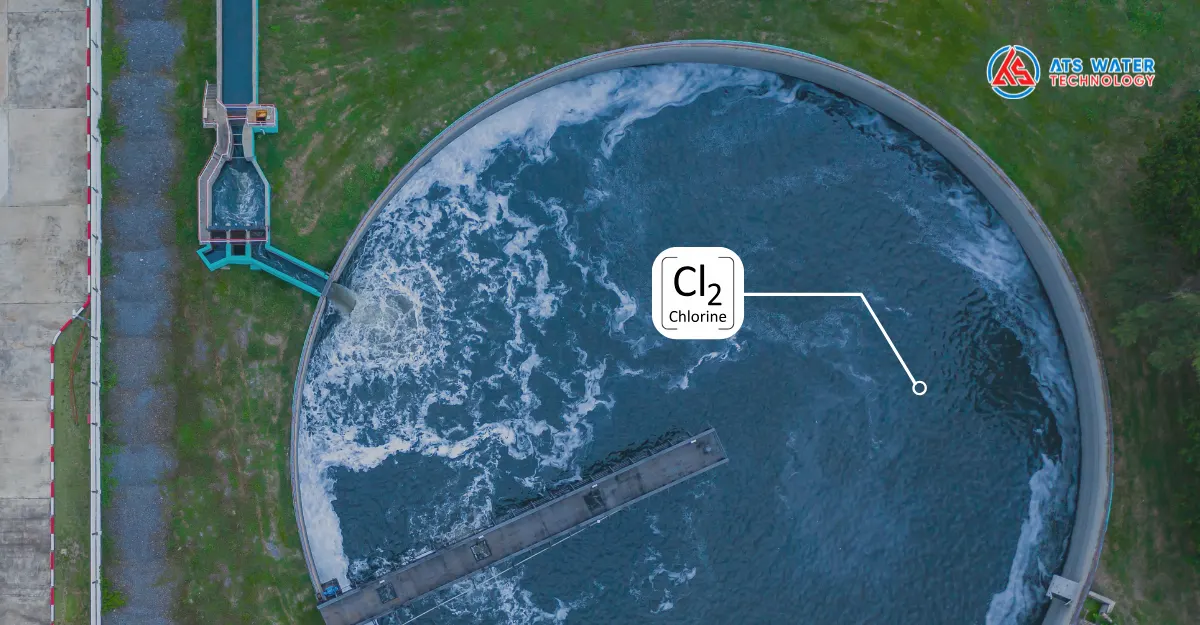
Residual chlorine is one of the most common causes of RO membrane damage. Polyamide RO membranes are highly sensitive to free chlorine, and exposure can reduce salt rejection and shorten membrane service life.
To protect the membranes, the residual chlorine concentration in RO feed water should be maintained at no more than 0.1 mg/L and monitored regularly during operation.
2.6. Chloramine
Compared with free chlorine, polyamide RO membranes have greater tolerance to chloramine. In some municipal wastewater reuse systems, chloramine concentrations of 3–5 mg/L may be acceptable.
However, the potential impact of chloramine also depends on temperature, pH, and the presence of bromide, iodide, and transition metals in the water. Therefore, water quality should be fully analyzed before determining an appropriate chloramine dosage.
2.7. Chlorine dioxide
Chlorine dioxide is an oxidizing agent used in some water treatment systems. However, when present alongside transition metals or bromide, this compound can reduce RO membrane performance.
If chlorine dioxide is used during pretreatment, it must be completely removed before the water enters the RO system to minimize the risk of membrane damage.
2.8. Sodium bisulfite (SBS)
Sodium bisulfite (SBS) is commonly used to remove residual chlorine before water enters an RO system. In practice, approximately 3 mg of SBS is required to remove 1 mg of free chlorine.
However, excessive SBS dosing can also affect the system. Residual SBS, in combination with transition metals, can promote membrane oxidation and create conditions favorable for the growth of sulfate-reducing bacteria, increasing the risk of biofouling. Therefore, the residual SBS concentration in RO feed water should be maintained below 1 mg/L.
2.9. Oxidation-reduction potential (ORP)
ORP (Oxidation-Reduction Potential) indicates the oxidation potential of water and is used to monitor the presence of oxidizing agents that may affect RO membranes.
During operation, ORP should be continuously monitored in both the feed water and concentrate streams. Typically, the system is configured with an alarm threshold of approximately 250 mV to allow timely adjustments to operating conditions. A higher protective threshold should also be established to minimize the risk of RO membrane damage.

3. Frequently asked questions about RO feed water standards
How does feed water quality affect RO membrane lifespan?
Poor-quality feed water can cause scaling, fouling, or oxidation of RO membranes. These issues reduce salt rejection performance, increase operating costs, and shorten membrane lifespan.
Which water quality parameters should be monitored before feeding water into an RO system?
Key RO feed water parameters include Silt Density Index (SDI), turbidity, Total Organic Carbon (TOC), oil and grease, iron, manganese, aluminum, free chlorine, oxidation-reduction potential (ORP), hydrogen sulfide (H₂S), silica, and Langelier Saturation Index (LSI). Monitoring these parameters helps protect RO membranes and maintain consistent system performance.
Is residual chlorine in RO feed water harmful to the membranes?
Yes. Residual chlorine can damage the polyamide layer of RO membranes, compromising membrane performance and potentially causing irreversible deterioration. Therefore, residual chlorine should be maintained at no more than 0.1 mg/L or completely removed before water enters the RO system.
What is the acceptable SDI level for RO feed water?
To meet RO membrane feed water quality requirements, the Silt Density Index (SDI) of feed water should be below 5, based on the 15-minute test procedure specified in ASTM D4189. A lower SDI generally indicates a reduced risk of particulate fouling on RO membranes, helping maintain stable system operation and extend membrane lifespan.
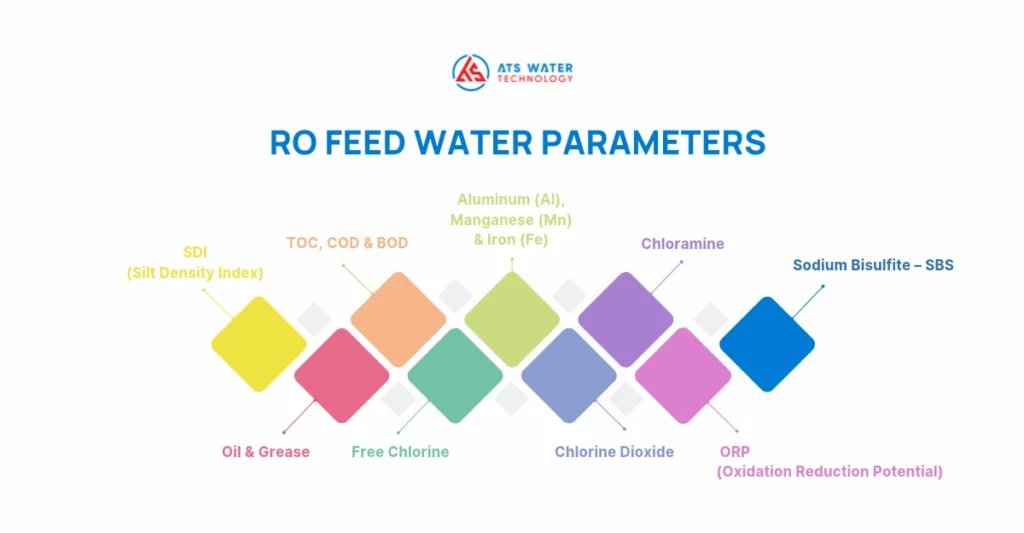
In summary, adhering to RO feed water quality standards and closely monitoring feed water parameters are essential for protecting RO membranes, maintaining treatment efficiency, and optimizing long-term operating costs. Contact ATS Water Technology Co., Ltd for expert advice on feed water quality assessment, pretreatment system design, and selecting suitable water treatment solutions tailored to your specific RO applications.
ATS WATER TECHNOLOGY CO., LTD
- Head office: 54/18 Bui Quang La, An Hoi Tay Ward, HCMC, Vietnam
- Branch office: 77 DHT10B, Dong Hung Thuan Ward, HCMC, Vietnam
- Consultation and support: (028) 6258 5368 – (028) 6291 9568
- Email: info@atswatertechnology.com
- Social media: Facebook | LinkedIn | YouTube
- Quick contact: Zalo Official | Telegram | WhatsApp